
Charles Sumner: Abolitionist Leader and U.S. Senator (1811–1874)
Charles Sumner (1811–1874) was a U.S. Senator from Massachusetts, an influential abolitionist and Radical Republican whose advocacy for civil rights and a violent 1856 caning made him nationally prominent.
Overview
Charles Sumner was an American politician, lawyer, and outspoken opponent of slavery who represented Massachusetts in the U.S. Senate from 1851 until his death in 1874. Known for eloquent oratory and uncompromising moral stance, he became a leading voice among Northern abolitionists and later the Radical Republicans during Reconstruction.
Image gallery
10 Images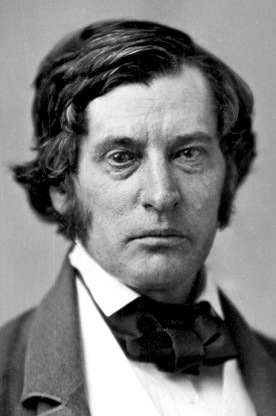





Early life and career
Born in 1811 in Boston, Sumner trained as a lawyer and rose to public prominence through speeches and writing that criticized the expansion of slavery. His education and early travels in Europe shaped a cosmopolitan outlook and a conviction that American institutions should uphold liberty and equal rights.
Senate career and the 1856 caning
In the Senate Sumner delivered forceful denunciations of slavery and its defenders. His 1856 address attacking the pro‑slavery influence in Kansas inflamed sectional tensions. Two days later he was assaulted on the Senate floor by Representative Preston Brooks, an attack that left Sumner seriously injured and symbolized the era's political violence.
Role in Reconstruction and reforms
After recovering and returning to the Senate, Sumner continued to champion abolition, civil rights for freedpeople, and strong federal measures to protect those rights. He pressed for laws and constitutional protections to abolish slavery and to secure citizenship and voting rights for formerly enslaved people.
Legacy and notable facts
- Sumner's long speeches and leadership helped shape Northern public opinion before the Civil War.
- The 1856 caning made him a martyr to many abolitionists and intensified sectional divisions.
- He remained a prominent advocate for equal rights until his death in 1874, and his work influenced later civil rights legislation.
Today Sumner is remembered both for his rhetorical gifts and for the violent reaction his words provoked — an episode that illustrates how emotional and polarized American politics became in the decades before and after the Civil War.
Related articles
Author
AlegsaOnline.com Charles Sumner: Abolitionist Leader and U.S. Senator (1811–1874) Leandro Alegsa
URL: https://en.alegsaonline.com/art/116242
Sources
- drbilllong.com : "Charles Sumner (1811-74) - Three Essays on A Massachusetts Abolitionist"