
List of amphibians by family and group
An organized overview of amphibian groups and notable families, with key characteristics, life cycle, habitats, examples, and conservation notes.
This article introduces a structured list of amphibians organized by their major groups and representative families. Amphibians are ectothermic vertebrates that typically undergo metamorphosis from a larval, water-breathing stage to a usually terrestrial, air-breathing adult stage. For a general introduction to the class, see Introduction to amphibians.
Image gallery
5 Images
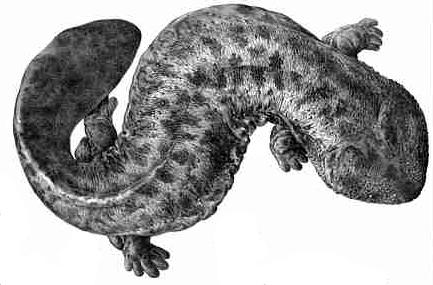


Major groups and representative families
- Anura (frogs and toads) — common families include Ranidae (true frogs), Bufonidae (true toads), Hylidae (tree frogs), and Microhylidae (narrow-mouthed frogs).
- Caudata or Urodela (salamanders and newts) — families such as Plethodontidae (lungless salamanders), Salamandridae (newts and true salamanders), and Ambystomatidae (mole salamanders) are widely known.
- Gymnophiona (caecilians) — limbless, burrowing amphibians found in tropical regions; representative families include aquatic and fossorial lineages.
Within each family, species share anatomical traits, reproductive strategies, and ecological roles. A list ordered by family can help researchers, educators, and naturalists locate species-level information grouped by evolutionary relationships; this package is organized by family for that reason (see families).
Life cycle and characteristics: most amphibians have permeable skin that aids gas exchange but makes them sensitive to pollutants and drying. Larval stages (tadpoles in frogs) are typically aquatic and herbivorous or omnivorous; adults may be carnivorous. Reproductive modes vary from aquatic egg-laying to direct development or live-bearing in some taxa.
Distribution and habitat: amphibians inhabit freshwater, forests, grasslands and caves across all continents except Antarctica. Some families are highly aquatic, others arboreal or fossorial. Their habitat associations influence conservation status and detectability.
Conservation and importance: amphibians are important predators and prey in many ecosystems and serve as bioindicators because of their sensitivity to environmental change. Numerous species face threats from habitat loss, pollution, disease (e.g., chytridiomycosis), invasive species, and climate change. Lists by family are commonly used in field guides, conservation planning, and educational materials to prioritize protection and study.
How to use this list: consult the family headings to find genera and species organized under taxonomic groups. For broader context about amphibian biology and classification, follow the overview link above and explore family treatments here (families).
Related articles
Author
AlegsaOnline.com List of amphibians by family and group Leandro Alegsa
URL: https://en.alegsaonline.com/art/124474