
Borut Pahor — Slovenian politician and former president
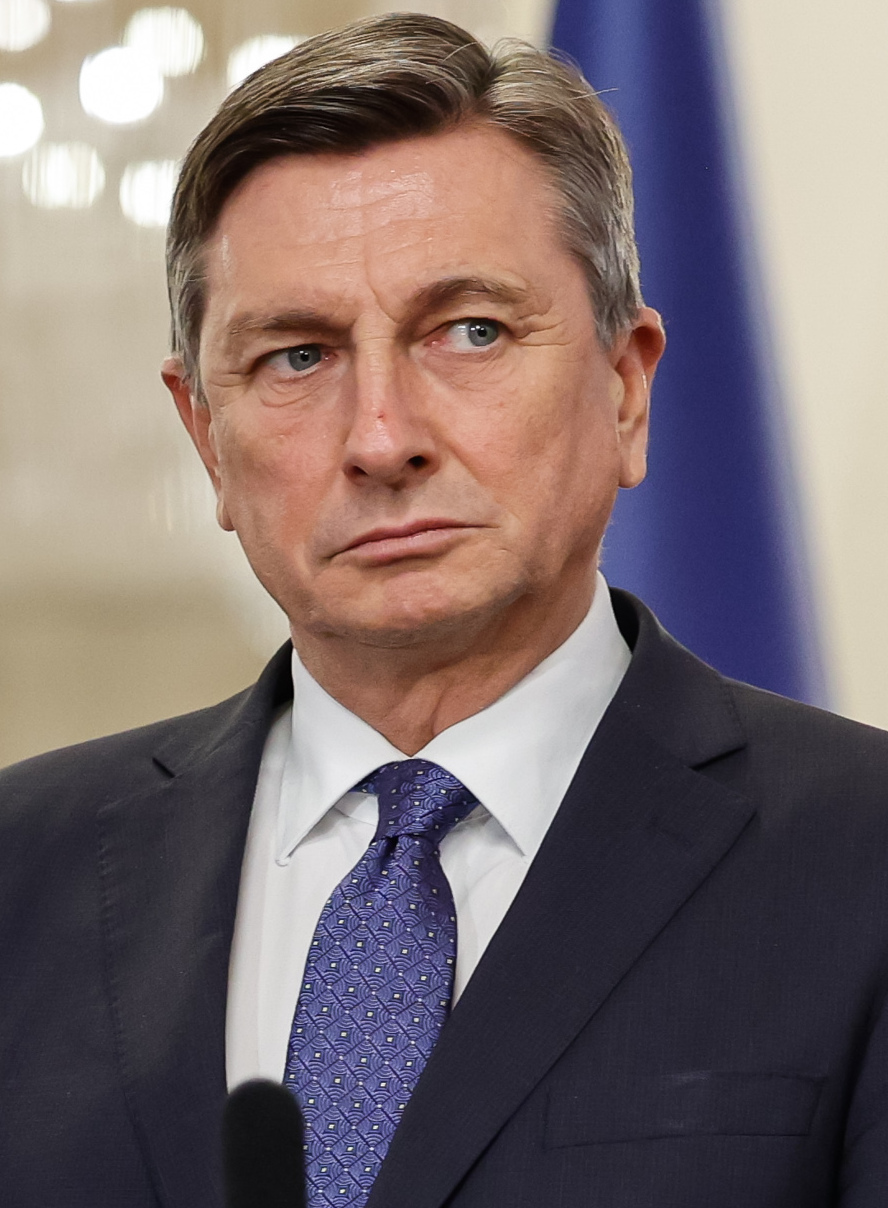
Borut Pahor (born 2 November 1963) is a Slovenian political figure who served as Prime Minister (2008–2012), President (2012–2022), MEP and speaker of the National Assembly. Known for a pro‑European stance.
Borut Pahor (born 2 November 1963) is a well-known Slovenian politician who has played leading roles in the country's post‑independence public life. He rose through party politics and parliamentary work to hold several of Slovenia's highest offices. Pahor is often described as pro‑European and centrist, with a public style that emphasized dialogue, media presence and international engagement.
After beginning his career in national politics he served multiple terms in the country's legislature and became a prominent party figure. As a public officeholder he combined traditional party activity with visible outreach to voters and foreign audiences, using speeches, interviews and social media to shape his image. Observers note his pragmatic approach to coalition building and policy compromise.
Image gallery
8 Images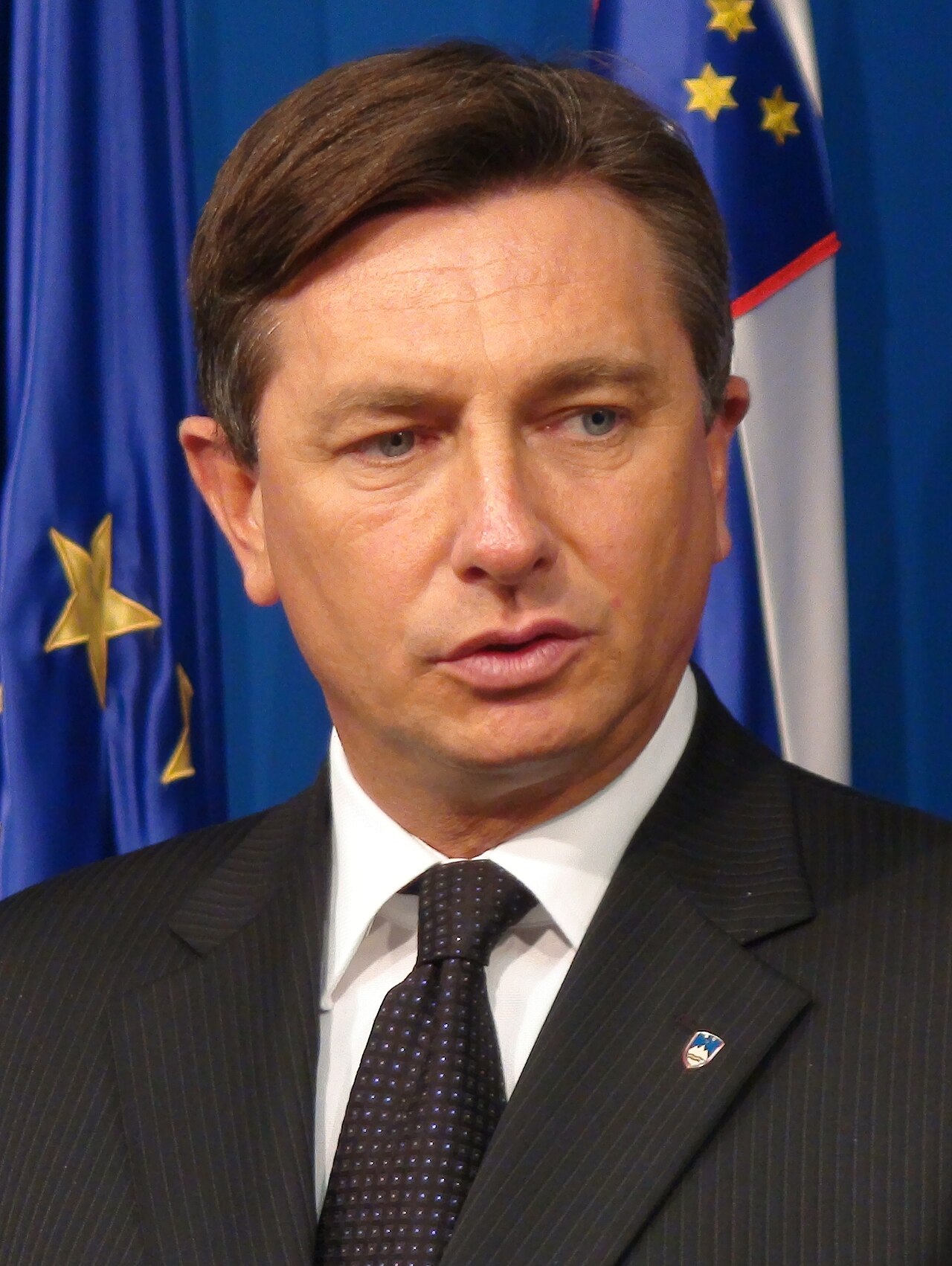



Political career and offices
- Chairman (Speaker) of the National Assembly: led the parliamentary chamber and presided over legislative work during the early 2000s; his term as speaker ran from 2000 to 2004 and is associated with efforts to modernize parliamentary procedures. National Assembly
- Member of the European Parliament: elected in 2004 and served at the European level, participating in debates on enlargement, regional policy and EU integration. Member of the European Parliament
- Prime Minister of Slovenia: headed a government from November 2008 to February 2012, a period that included response to the global financial crisis and measures on public finances. Prime Minister
- President of Slovenia: first elected in December 2012 and re‑elected in 2017, he served two terms as head of state, focusing on diplomacy, national unity and Slovenia's international profile. President of Slovenia
Pahor has been associated with the Social Democrats and held leadership positions within his party during his career. His time in office spanned both domestic policy debates—such as economic reform and social issues—and foreign policy advocacy for European cooperation and integration. He frequently positioned himself as a mediator among parties and social groups.
Notable aspects of his tenure include a visible presidential style that blended ceremonial duties with active public engagement, and a reputation for accessibility to the media and electorate. Critics and supporters alike point to his ability to communicate directly with citizens, while some commentators questioned elements of personalization in political communication.
For further reading about his public life and policy record, consult reputable profiles and official biographies that summarize his legislative initiatives, government programs and diplomatic activities. Political profile and institutional pages such as the official political records provide detailed timelines and documents. Additional context about his European work is available through European Parliament sources and national parliamentary archives. Executive records and presidential materials offer insights into the priorities he pursued while in office.
Related articles
Author
AlegsaOnline.com Borut Pahor — Slovenian politician and former president Leandro Alegsa
URL: https://en.alegsaonline.com/art/115481
Sources
- bos.zrc-sazu.si : "Slovenski pravopis 2001: Borut" · web.archive.org
- bos.zrc-sazu.si : "Slovenski pravopis 2001: Pahor" · web.archive.org