
Prime Minister of Slovenia
Head of Slovenia's government: role, appointment, powers, historical development since independence, relations with the president and parliament, and practical political significance.
The prime minister of Slovenia, officially titled Predsednik Vlade Republike Slovenije in Slovene, is the head of the Government of the Republic of Slovenia. The office is the chief executive of the cabinet and leads the administration that implements laws and policies adopted by the National Assembly. The prime minister is commonly referred to in English as the head of government and is distinct from the head of state.
Image gallery
10 Images


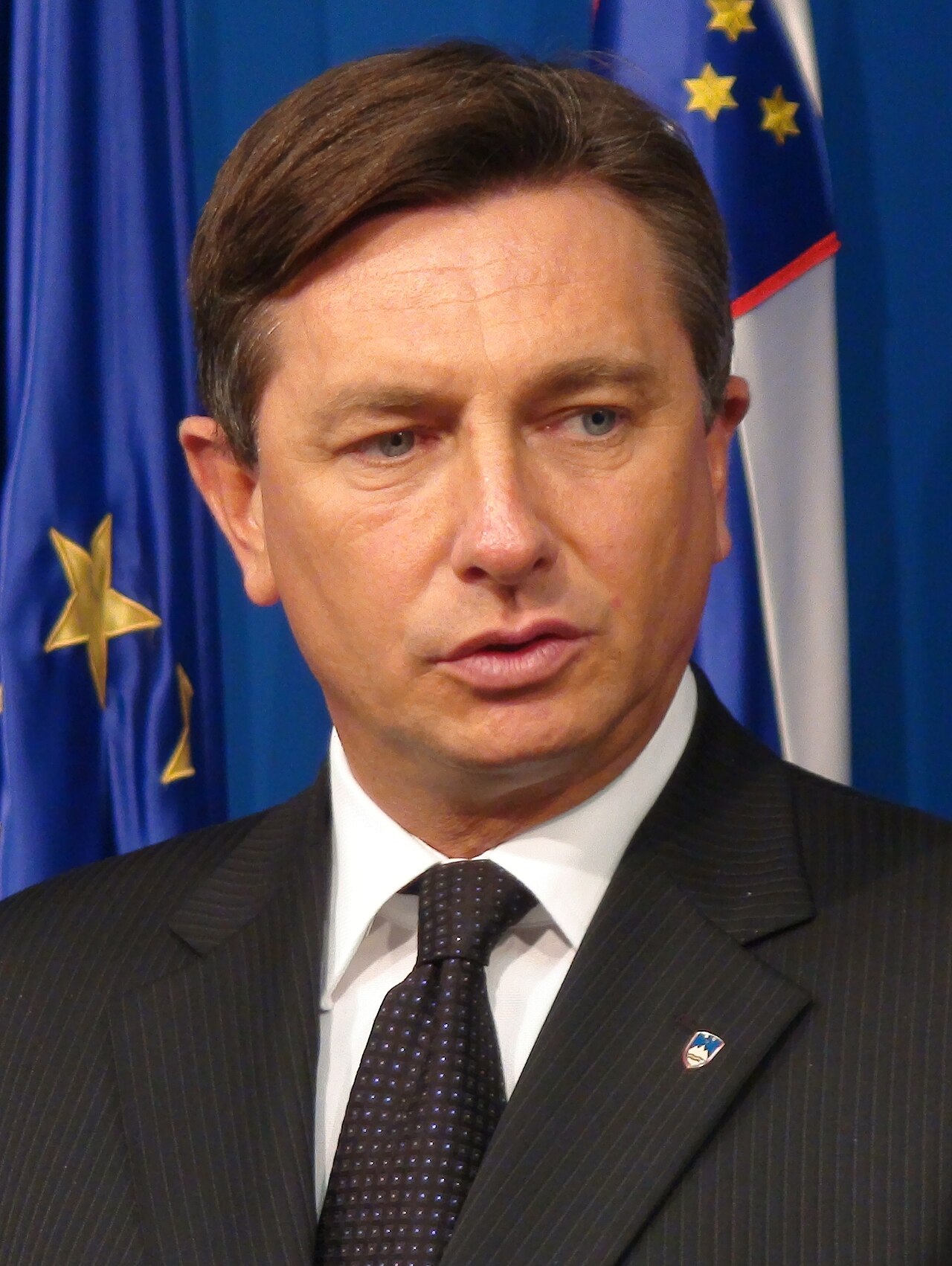


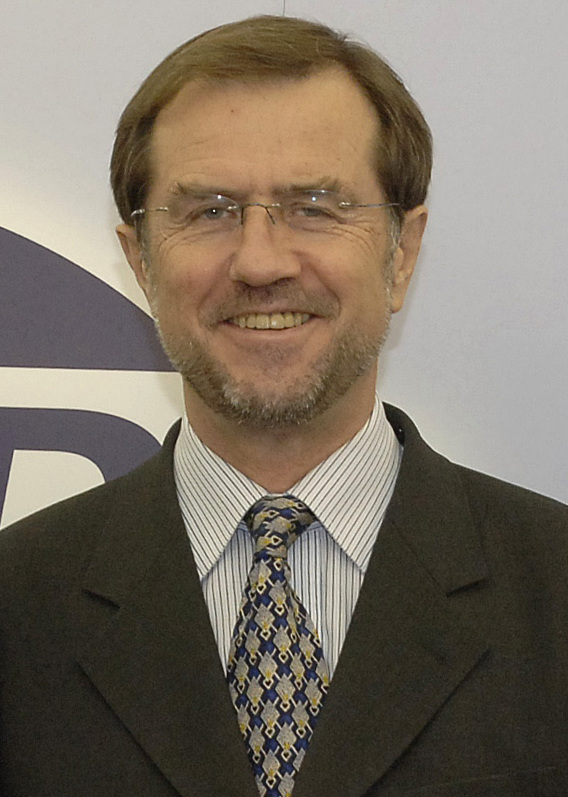
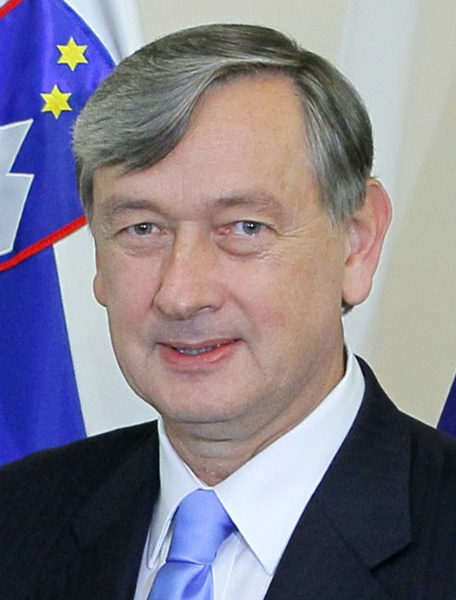
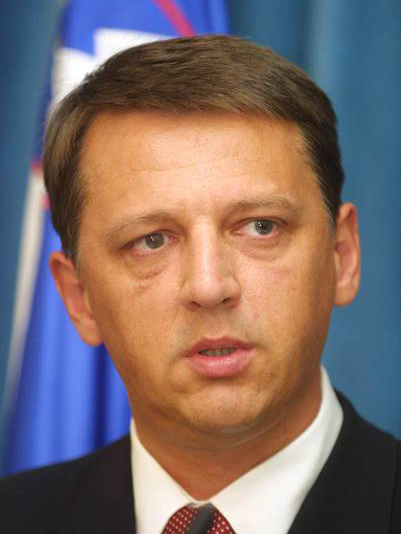
Role and responsibilities
The prime minister directs the work of the government and coordinates the activities of ministers. Key functions typically include:
- forming and leading the cabinet, proposing ministerial appointments to the National Assembly;
- setting government policy priorities and presenting a governing programme to parliament;
- representing the government domestically and in many international settings, often sharing external affairs responsibilities with the president;
- overseeing the implementation of legislation and administration across ministries;
- answering to the National Assembly and facing confidence votes or motions of no confidence when necessary.
Appointment and political context
After legislative elections, the candidate for prime minister is usually nominated and must secure the confidence of the National Assembly to form a government. Because Slovenia uses a parliamentary system with proportional representation, prime ministers commonly lead coalition governments formed by two or more parties. Their tenure depends on maintaining parliamentary support rather than a fixed presidential term, and they can be removed by a parliamentary vote or resign if their coalition collapses.
History and development
The modern office emerged during Slovenia's transition to parliamentary democracy in 1989 and through the country's declaration of independence in 1991. Since that period Slovenia has been governed by a succession of prime ministers who have navigated post‑socialist economic and institutional reforms, integration into the European Union, and membership of NATO. The number of individuals who have held the office reflects the dynamism of a multiparty parliamentary system.
Relationship with other institutions and notable facts
The prime minister works alongside the president, who is the head of state with limited executive powers, and is accountable to the National Assembly. The office balances executive leadership with coalition management and legislative accountability. Prime ministers play a central role in shaping domestic policy, representing Slovenia in European Union forums, and responding to political and economic crises. For further institutional details, see general resources on the Government of the Republic of Slovenia or summaries of the head of government role in parliamentary systems.
Related articles
Author
AlegsaOnline.com Prime Minister of Slovenia Leandro Alegsa
URL: https://en.alegsaonline.com/art/79102