
Billy Knight (basketball player and executive)
American professional basketball player and executive who scored nearly 14,000 points in an 11-season ABA/NBA career and later served as GM of the Atlanta Hawks (2003–2008).
Overview
Billy Knight (born June 9, 1952) is an American former professional basketball player who later moved into team management. Over an 11-season career spanning the ABA and NBA he compiled 13,901 career points and was selected to two All-Star games. After retiring from play he worked in front office roles, most notably as Executive Vice President and General Manager of the Atlanta Hawks from 2003 to 2008 and in other administrative capacities within the NBA.
Image gallery
2 Images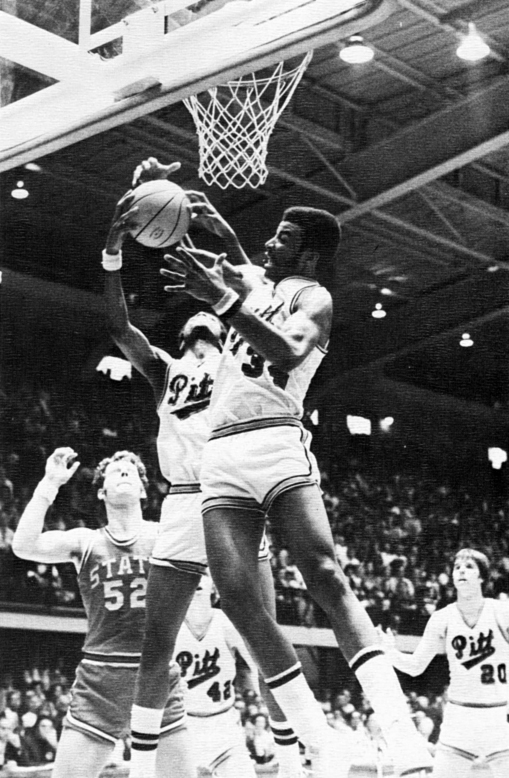

Playing career and teams
Knight played professionally from 1974 to 1985, beginning his career in the American Basketball Association and continuing after the ABA–NBA merger. During his time as a player he wore uniforms for several franchises and built a reputation as a consistent scorer and veteran presence. His team affiliations included:
Style of play and contributions
Knight was known primarily as an offensive contributor. Across more than a decade of pro basketball he combined scoring ability with experience in both the ABA and NBA environments. While not usually characterized as a superstar of sustained national prominence, his scoring totals and All-Star nods reflect a player who produced at a high level for multiple seasons and who could be relied upon to shoulder offensive responsibilities for his teams.
Front office career
Following retirement Knight transitioned into basketball operations and executive work. His role with the Atlanta Hawks from 2003 to 2008 placed him among the league's team decision-makers, overseeing personnel and roster matters. His post-playing career illustrates a common path for former players: moving from on-court roles to management, scouting, and team-building positions within the NBA organization.
Legacy and notable facts
Knight's career is remembered for a blend of steady scoring, adaptation across two professional leagues, and a later pivot into executive leadership. Key facts include:
- He scored a total of 13,901 points in his ABA/NBA career.
- He appeared in two league All-Star contests, an indication of peak-season recognition.
- He served as an NBA front-office executive, including a significant tenure with the Hawks.
For readers seeking further details on specific seasons, statistics, or team moves, consult team histories and league archives, or follow specialized resources that track individual game logs and transaction timelines.
Related articles
Author
AlegsaOnline.com Billy Knight (basketball player and executive) Leandro Alegsa
URL: https://en.alegsaonline.com/art/115170
Sources
- sports.espn.go.com : "Knight to step down after leading Hawks out of playoff drought"