
Chris Watson
John Christian 'Chris' Watson, the first federal Labor Prime Minister of Australia, led a short minority government in 1904; his rise marked an early national success for the labour movement.
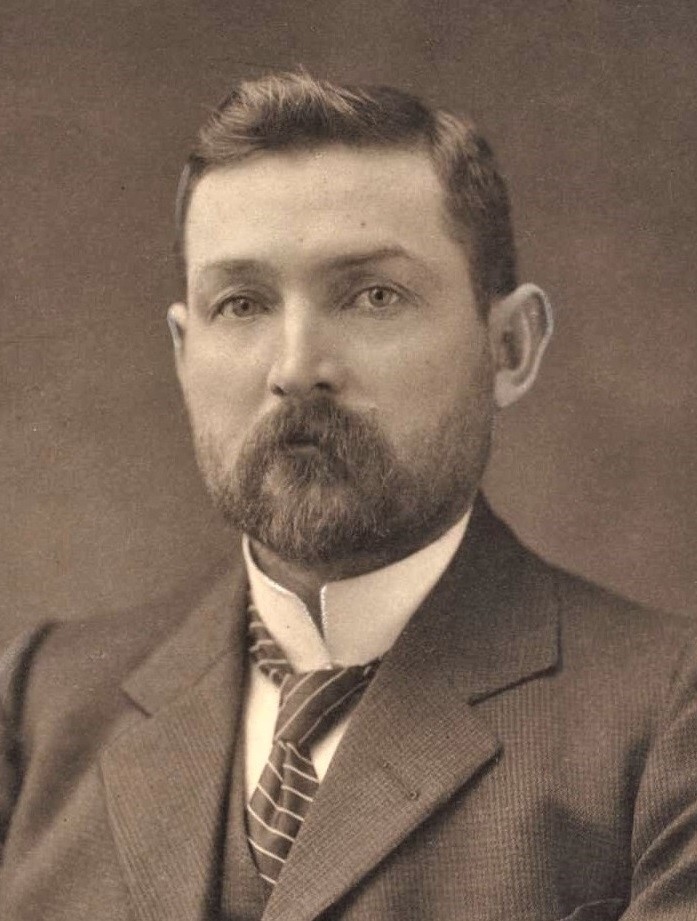
John Christian "Chris" Watson (9 April 1867 – 18 November 1941) was the first federal Prime Minister from the Australian Labor movement. He became the third person to hold the office of Prime Minister of Australia, leading a short-lived minority administration in 1904. Watson's elevation to the nation's highest political post symbolised the growing influence of organized labour in national politics during the early 20th century.
Image gallery
9 Images


Early life and background
Watson was born to a working-class family abroad and spent his formative years in the Australasian region. He trained in the printing trade and worked as a compositor, an occupation that brought him into contact with trade unions and political organising. His experience in the labour movement and as a trade unionist provided the base for his political career and his reputation as a moderate, pragmatic leader.
Political rise
Active in state politics before federation, Watson became a prominent figure in the newly formed federal Labor organisation. He was chosen as leader of the parliamentary Labor group and, after the collapse of an earlier government, was able to form a minority administration. His government relied on the support of other parties in the House of Representatives rather than an outright majority and therefore had limited scope for sweeping reforms.
Prime ministership and policies
Watson's tenure as head of government lasted only a few months in 1904. Because his administration was a minority one it focused on pragmatic, incremental measures rather than radical change. Much of its time was spent negotiating parliamentary support, managing inter-party relations and establishing Labor as a credible national governing force. The brevity of his ministry meant few landmark laws were enacted under his name, but his appointment established a precedent: that Labor could lead at the federal level.
Later career and legacy
After leaving the prime ministership Watson remained a respected figure within the labour movement and parliamentary life, and he played roles in public service and representation later in life. Historians regard him as a key transitional figure who helped move the Australian Labor movement from a sectional pressure group into a party capable of forming government. Two simple distinctions often noted are that he was the first federal Labor Prime Minister and one of the earliest prime ministers to have been born outside the Australian colonies.
Notable facts
- First Labor Party national leader to become Prime Minister.
- Served a brief minority government, illustrating the volatile party alignments of early federation politics.
- Representative of the political upward mobility of trade union leaders in the early 1900s.
For further reading on the office and context of his government see general references on the Prime Minister, the political history of Australia and the origins of the Labor Party.
Related articles
Author
AlegsaOnline.com Chris Watson Leandro Alegsa
URL: https://en.alegsaonline.com/art/116561