
Barney Frank: U.S. Congressman, Financial Reformer, and LGBT Pioneer
Overview of Barney Frank (born 1940), his congressional career (1981–2013), role in financial reform, public life as an openly gay politician, and later activities.
Overview
Barney Frank (born March 31, 1940) is an American politician best known for representing Massachusetts in the U.S. House of Representatives from 1981 to 2013. A long-serving member of the Democratic Party, he chaired the House Financial Services Committee from 2007 to 2011 and was a central figure in debates over banking regulation and consumer protection. Frank has also been widely recognized for his visibility as one of the most prominent openly gay public officials in the United States.
Image gallery
4 Images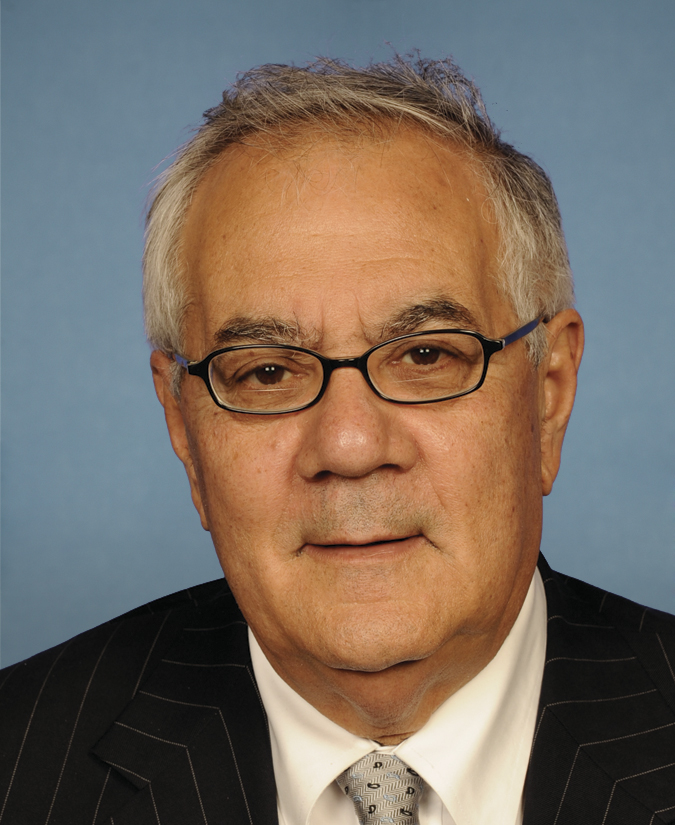


Early life and education
Frank was born in Bayonne, New Jersey, in 1940. He attended college at Harvard University, where he became involved in campus politics and developed an interest in public policy. His formative years shaped his progressive approach to issues such as urban policy, housing, and social services. Later in life he settled in Newton, Massachusetts, which became the community he represented.
Congressional career and legislative focus
First elected to Congress in 1980, Frank served sixteen terms in the U.S. House of Representatives. His legislative work covered a range of domestic priorities: housing finance, consumer protection, banking regulation, and social policy. He was known for an attention to detail on complex regulatory matters and for working across the aisle on technical fixes to financial law.
Financial reform and Dodd–Frank
As chair of the House Financial Services Committee, Frank played a leading role during and after the 2007–2008 financial crisis. He was a principal sponsor and advocate of comprehensive legislation that sought to restructure financial oversight and increase consumer protections. That effort culminated in landmark reforms commonly referred to as the Dodd–Frank framework, aimed at reducing systemic risk and improving regulatory coordination among federal agencies.
Public life, identity, and influence
Frank's openness about his sexuality made him a nationally visible figure in the struggle for LGBT inclusion in politics. He is frequently cited among the most prominent openly gay elected officials in the country, and his career helped normalize LGBT representation at high levels of government. He later married his partner, Jim Ready, in 2012.
Later years, writing, and legacy
After leaving Congress in 2013, Frank remained active as a commentator, author, and advocate on public policy and political reform. He has written memoirs and essays reflecting on his legislative battles, the evolution of American politics, and the role of government in addressing economic inequality. Observers generally credit him with a significant impact on financial legislation and with increasing the visibility of LGBT people in national politics.
Notable facts
- Long tenure in the U.S. House spanning three decades.
- Chair of the House Financial Services Committee during a period of major financial upheaval.
- Recognized as a leading openly gay American politician; discussed in media and scholarship on LGBT political history (visibility).
- Born in Bayonne, educated at Harvard, and long resident of Newton.
For further reading on related topics—U.S. congressional history, financial regulation, and LGBT representation in politics—see resources indexed by major libraries and political research centers. Additional background and archival material can be located through institutional guides and congressional records (biographical resources, state and local histories, birthplace archives, educational records, local newspapers, legislative databases, party histories, LGBT studies collections).
Related articles
Author
AlegsaOnline.com Barney Frank: U.S. Congressman, Financial Reformer, and LGBT Pioneer Leandro Alegsa
URL: https://en.alegsaonline.com/art/114852
Sources
- politico.com : "My Life as a Gay Congressman"
- biography.com : "Barney Frank Biography"
- ca.reuters.com : "Congressman Barney Frank weds in same-sex marriage"