
Barney Smith — plumber, folk artist and curator of the Toilet Seat Art Museum
Barney Smith (1921–2019) was an American plumber turned folk artist who assembled and displayed a thousand decorated toilet seats in his San Antonio garage museum.
Overview
Barney Smith (May 25, 1921 – July 23, 2019) was an American plumber who became known as a self-taught folk artist and museum curator. Living in San Antonio, Texas, he assembled and displayed what he called the Toilet Seat Art Museum, a private collection of decorated toilet seats that drew visitors from across the United States and abroad. Smith’s work attracted attention for its humor, inventiveness and the unlikely medium he adopted.
Image gallery
1 Image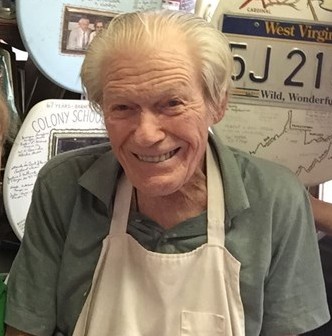
Artistic approach and characteristics
Smith transformed ordinary wooden toilet seats into individualized artworks. The pieces varied widely in subject and technique: some were painted portraits or landscapes, others used mosaic or collage, and many incorporated found objects, small mementos or carved elements. While his background was practical rather than academic, Smith’s work is often described as folk or outsider art—direct, eclectic and driven by personal vision rather than formal training.
Collection, museum and presentation
The Toilet Seat Art Museum operated out of Smith’s garage in San Antonio and eventually contained roughly one thousand pieces. The space functioned as both a personal workshop and a display venue; visitors were welcomed informally and could view the array of seats mounted on the walls. The museum’s scale and singular focus made it a curiosity and a landmark for those interested in vernacular creativity and small-scale, privately run museums.
History and public attention
Smith’s transition from plumbing to art grew from a practical familiarity with toilet seats and a desire to repurpose worn items into expressive objects. Over time his collection and reputation expanded, and journalists, tourists and art enthusiasts visited to see the imaginative results. The project illustrates how everyday materials and a sustained personal project can create cultural interest well beyond an artist’s immediate community.
Significance and legacy
Beyond its novelty, the Toilet Seat Art Museum highlights themes common to folk art: resourcefulness, storytelling, and a close connection between maker and material. Smith curated and maintained the collection for many years, keeping it accessible in his home city until his death on July 23, 2019, at age 98. His work remains an example of how unconventional mediums and persistent individual effort can create a distinctive public presence and inspire visitors to reconsider ordinary objects as potential art.
Notable facts
- Professionally trained as a plumber, Smith applied everyday experience to his artistic practice.
- The museum was housed in his garage in San Antonio and reportedly held about 1,000 decorated seats.
- His collection drew international visitors and media attention, situating him within American folk and outsider art traditions.
Related articles
Author
AlegsaOnline.com Barney Smith — plumber, folk artist and curator of the Toilet Seat Art Museum Leandro Alegsa
URL: https://en.alegsaonline.com/art/114855
Sources
- sanantoniomag.com : "Toilet Seat Art Museum owner still adding to commode collection at 93"
- mysanantonio.com : "San Antonio's Toilet Seat Art Museum owner Barney Smith dead at 98"