
Aziz Sancar: Turkish-American Biochemist and Nobel Laureate in DNA Repair
Aziz Sancar (born 1946) is a Turkish-born biochemist recognized with the 2015 Nobel Prize in Chemistry for elucidating molecular mechanisms of DNA repair and their biological importance.
Overview
Aziz Sancar (born September 8, 1946) is a Turkish-born scientist best known for mechanistic studies of how cells repair damaged DNA. He was awarded the 2015 Nobel Prize in chemistry jointly with Tomas Lindahl and Paul Modrich for work that clarified the enzymatic processes that maintain genome stability. Sancar is often described as a molecular biologist and biochemist because his research bridges chemistry and cellular biology.
Image gallery
6 Images




Early life and background
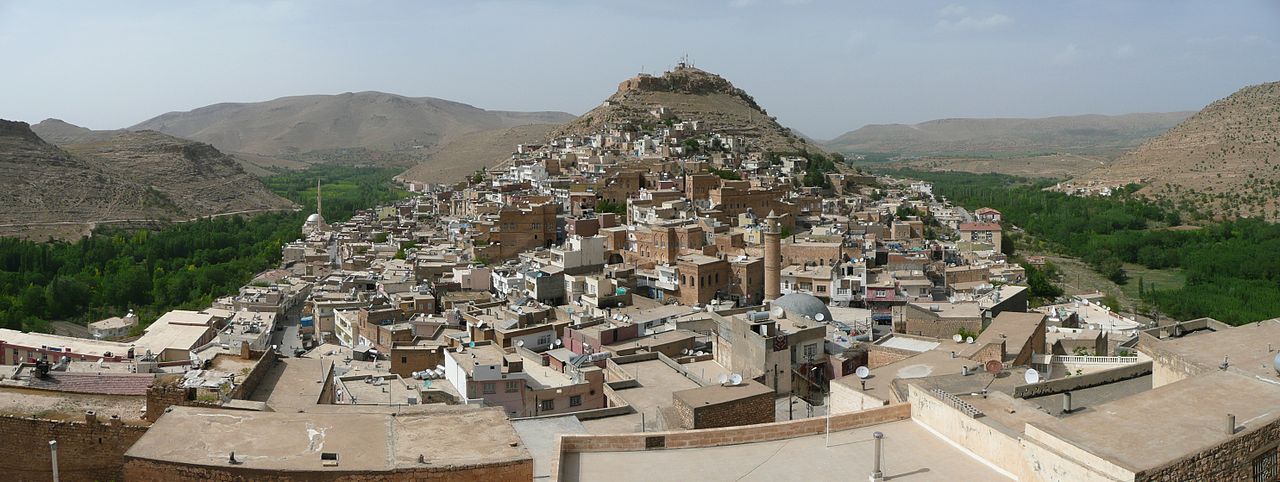
Sancar was born in Savur in southeastern Turkey and grew up during a period when scientific training was expanding in his home country. He trained as a scientist both in Turkey and later in the United States, ultimately establishing an academic career focused on the biochemical mechanisms that detect and repair DNA damage. His trajectory exemplifies the international paths many contemporary researchers follow.
Research and major contributions
Sancar's laboratory mapped and characterized the enzymes and pathways that recognize a variety of DNA lesions and restore correct genetic information. His work helped define key processes such as nucleotide excision repair and photoreactivation, showing how protein complexes locate distorted DNA and excise damaged segments for replacement. He also investigated how timing systems in cells influence repair efficiency, linking DNA maintenance to cellular rhythms.
- Mechanistic elucidation: Detailed steps by which repair enzymes recognize and remove damaged sections of DNA.
- Pathway mapping: Characterization of nucleotide excision repair and related systems that protect genome integrity.
- Biological implications: Insights into how failures in repair contribute to aging, cancer and sensitivity to sunlight.
Importance and impact
Understanding DNA repair at a molecular level has broad implications for medicine and biotechnology. Sancar's findings provided a framework for how cells prevent mutations, a foundational concept for cancer research, radiation biology and the development of therapeutic strategies that exploit repair deficiencies. His contribution is often cited as enabling targeted approaches in oncology and as informing basic models of cellular defense.
Awards, recognition and legacy
Beyond the Nobel Prize, Sancar's career includes many honors and positions in academia. He is recognized both in Turkey and internationally as one of a small group of Nobel laureates born in that country. His work continues to influence research on genomic stability, and his story is used to illustrate the global and collaborative nature of modern science. For further reading on DNA repair and related topics, consult resources on DNA repair and summaries by scientific organizations (biochemistry overviews and introductions).
Selected references and institutional summaries are available through educational portals and prize citations; see institutional pages and award notices for more details (biochemist profile, Nobel announcement, chemistry notes). Additional background about his birthplace and early life is cataloged in regional biographical sources (Savur, Turkey) and in interviews archived by scientific institutions (Tomas Lindahl, Paul Modrich). For accessible primers on the field see curated educational links and reviews (biochemistry, DNA repair).
Related articles
Author
AlegsaOnline.com Aziz Sancar: Turkish-American Biochemist and Nobel Laureate in DNA Repair Leandro Alegsa
URL: https://en.alegsaonline.com/art/114777
Sources
- nobelprize.org : "Aziz Sancar-Facts"