
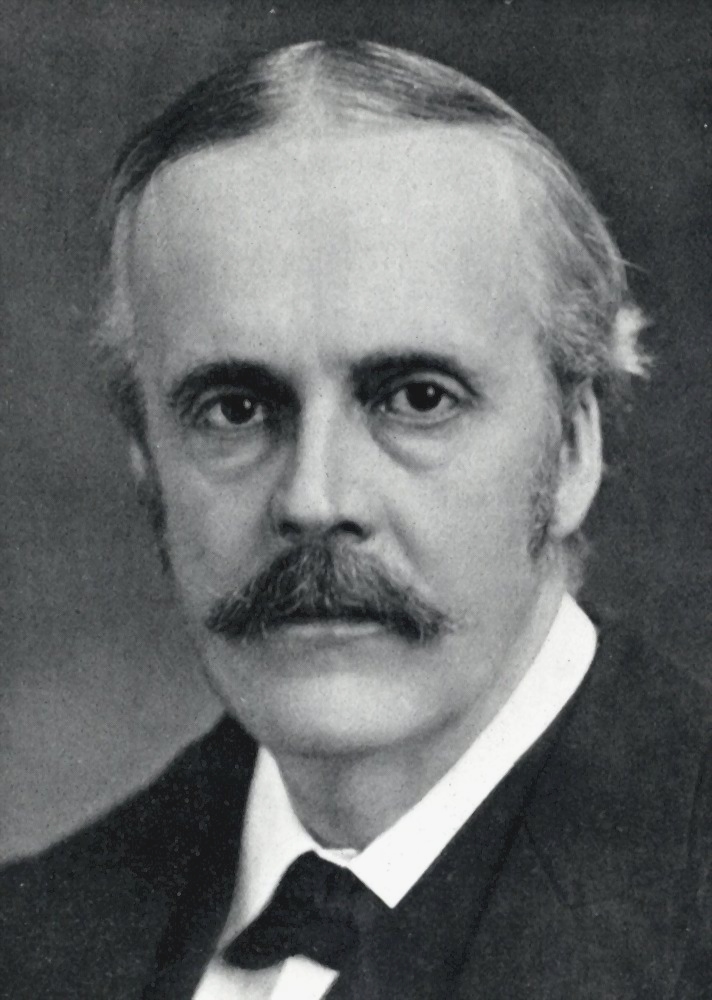
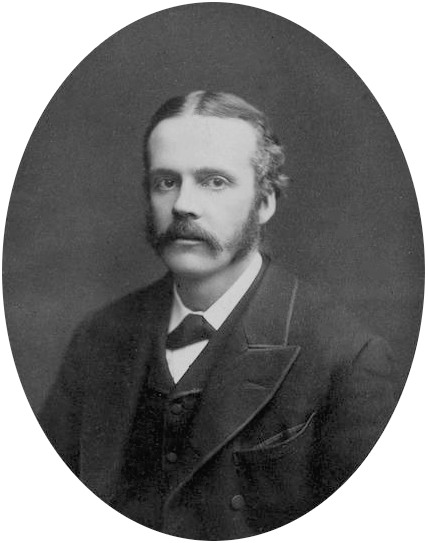
Arthur Balfour, 1st Earl of Balfour (1848–1930)
British Conservative statesman, Prime Minister 1902–1905, later Foreign Secretary who issued the 1917 Balfour Declaration; noted for his influence on early 20th-century British politics and foreign policy.
Overview
Arthur James Balfour (25 July 1848 – 19 March 1930) was a leading British Conservative politician and thinker who served as Prime Minister of the United Kingdom from 1902 to 1905 and later as Foreign Secretary during the First World War era. He is widely remembered for the 1917 document known as the Balfour Declaration, which addressed British policy toward a Jewish national home in Palestine. His career combined government office with literary and philosophical interests.
Image gallery
10 Images




Political career and offices
Balfour held senior posts across several administrations and was a prominent figure in the Conservative party of his day. As Prime Minister he led a Unionist government that dealt with social questions and the final years of the British imperial adjustments around the turn of the century. During the First World War he returned to a cabinet role as Foreign Secretary (1916–1919), where he shaped wartime diplomacy and postwar discussions.
Balfour Declaration and foreign policy
In 1917, while Foreign Secretary, Balfour wrote and approved a brief statement expressing British support for the establishment of a national home for the Jewish people in Palestine. That statement, the Balfour Declaration, became a landmark in Middle Eastern history and continues to be discussed for its consequences and ambiguities. As a wartime diplomat he also engaged with allied diplomacy and the early stages of postwar settlement.
Intellectual life and legacy
Balfour was noted for his intellectual bent: he wrote essays on philosophy and public affairs and enjoyed a reputation as an erudite parliamentarian. His writings and speeches reflected conservative principles blended with a cautious reformism. Historical assessments of his legacy emphasize both his role in shaping imperial-era policy and the long-term debates initiated by the declaration that bears his name.
Distinctions and notable facts
- He was a senior figure in the Conservative movement and served in several top offices.
- He held honors such as KG and PC during his public life.
- Later elevated to the peerage as Earl of Balfour, he remained influential in public debates into the 1920s and reflected the complexities of British politics during a period of global transition.
Related articles
Author
AlegsaOnline.com Arthur Balfour, 1st Earl of Balfour (1848–1930) Leandro Alegsa
URL: https://en.alegsaonline.com/art/114587