
Arthur Bliss (1891–1975) — British composer and Master of the Queen's Music
Arthur Bliss was an English composer whose career ranged from strikingly modern early works to later more Romantic orchestral and choral music; he served as Master of the Queen's Music for over twenty years.
Overview
Sir Arthur Bliss CH KCVO (born 2 August 1891 in London; died 27 March 1975) was a leading English composer of the 20th century. A prolific creator of orchestral, choral, ballet and film music, he combined adventurous early modernism with a later, more lyrical and richly scored romanticism. He held the royal appointment of Master of the Queen's Music for more than two decades.
Image gallery
5 Images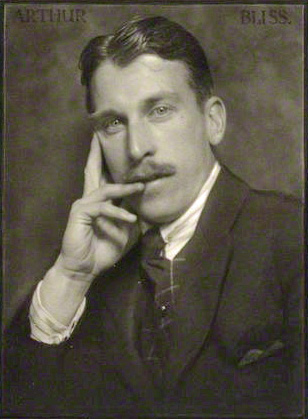


Musical style and characteristics
Bliss's music shows a contrast between two main phases. His early works can sound sharp, rhythmically driven and often harmonically daring; these pieces attracted attention for their modern edge. Over time his idiom softened, adopting broader melodies and lush orchestration that recall the English late-Romantic tradition sometimes associated with figures such as Edward Elgar. Critics note Bliss's ability to blend dissonance and tunefulness and to write effectively for chorus and orchestra.
Major works and genres
- A Colour Symphony (an orchestral piece that explores musical ideas linked to colours)
- Morning Heroes (a large-scale choral work with commemorative themes)
- Checkmate (ballet music)
- Film score for Things to Come (1930s cinema music)
These examples show his range across concert, stage and screen. As a composer he also produced chamber music, songs and occasional pieces for public ceremonies.
Life, influences and career
Educated during a time of strong musical change, Bliss responded to both continental modernism and an English tradition of melody and ceremony. His early reputation rested on works that some listeners described as severe or "modern"; later works moved toward a warmer, more accessible sound, sometimes linked to national occasions. He received royal honors (including CH and KCVO) and served in official musical roles. For context on what a composer does, see the general description of a person who writes music.
Legacy and notable facts
Bliss's music continues to be performed, recorded and used in ceremonial contexts. The contrast between his early and late styles makes him a useful example of an artist who adapted across changing musical fashions. His long service as Master of the Queen's Music gave him a public profile beyond the concert hall. For further reading about his life and works consult dedicated biographies and catalogues of his music (Romantic influences and reception studies often discuss his turn toward lyricism).
Selected references and resources are available from national musical archives and specialist publishers; general introductions to Bliss and his contemporaries can be found through reference links and music libraries (birthplace and archive material, royal appointment details).
Questions and answers
Q: Who was Sir Arthur Bliss?
A: Sir Arthur Bliss was a British composer.
Q: When and where was he born?
A: He was born in London on August 2, 1891.
Q: How did his early music sound like?
A: His early music sounded very modern and harsh.
Q: Did he change his music style over time?
A: Yes, he changed his style and started composing more Romantic music in the style of English composer Edward Elgar.
Q: What was his position for more than twenty years?
A: For more than twenty years, he was Master of the Queen's Music.
Q: When did he pass away?
A: He died in London on March 27, 1975.
Q: What is a composer?
A: A composer is a person who writes music.
Related articles
Author
AlegsaOnline.com Arthur Bliss (1891–1975) — British composer and Master of the Queen's Music Leandro Alegsa
URL: https://en.alegsaonline.com/art/114589