
Arif Alvi — President of Pakistan and founding PTI politician
Arif Alvi (born 29 August 1949) is a Pakistani politician and dental professional. A founding member of Pakistan Tehreek-e-Insaf, he has served as the 13th President of Pakistan since September 2018.
Arif-ur-Rehman Alvi (born 29 August 1949) is a Pakistani politician who has served as the 13th President of Pakistan since assuming office in September 2018. Before becoming president he was an active lawmaker and a founding member of Pakistan Tehreek-e-Insaf (PTI). His background combines professional work in dentistry with a long involvement in party organization and national politics.
Image gallery
6 Images


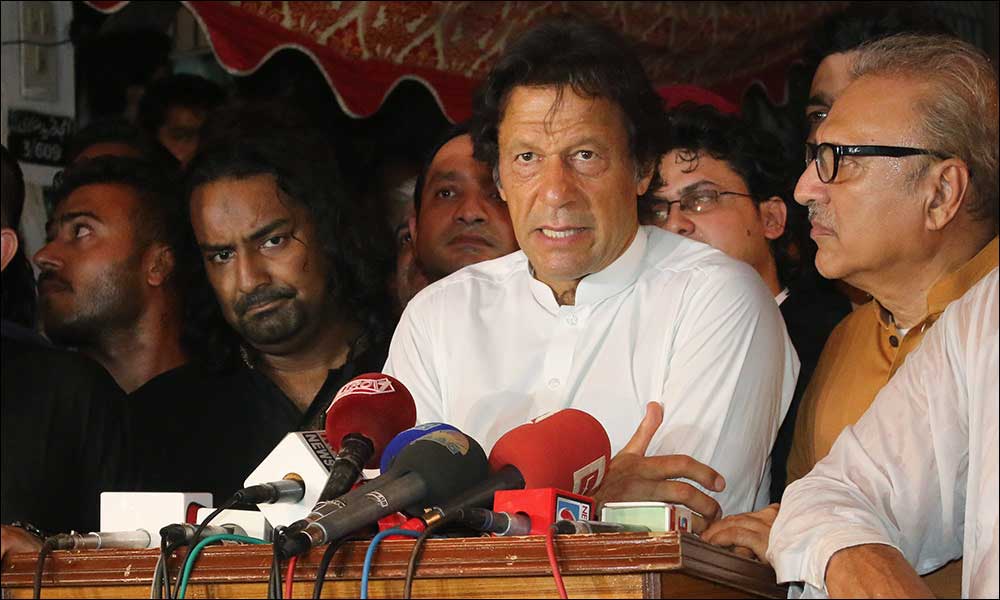
Early life and professional background
Alvi trained and worked as a dental professional before entering full-time politics. He is known for his involvement in medical and dental associations and for promoting health-related causes. His training in health sciences shaped his early public profile and contributed to his interest in public health and service delivery themes later in his political career.
Political career and offices
Alvi was an early and prominent member of PTI, participating in the party's development from its early years. He served as a member of the National Assembly of Pakistan following the 2013 general elections and briefly again in 2018. In September 2018 he was elected president by the electoral college and took up the largely constitutional and ceremonial duties of the presidency while continuing to highlight certain policy areas.
- Founding member of Pakistan Tehreek-e-Insaf (PTI)
- Member of the National Assembly (2013–2018; 2018)
- Elected President of Pakistan in September 2018
As president, Alvi's role is primarily to act as the constitutional head of state, safeguard the Constitution, and represent Pakistan in formal and ceremonial functions. He has used the office to draw attention to healthcare, education, and digital governance, often stressing the need for preventive care and modernizing public services.
Notable aspects of his tenure include a focus on public health messaging and supporting initiatives to expand access to medical and dental services. He is also one of the more prominent Pakistani presidents to emerge from a professional, non-bureaucratic background, which has shaped his public image as a technocrat-politician.
While the presidency in Pakistan is limited in direct policy-making power, holders of the office can influence national discussion, exercise constitutional duties such as assent to legislation, and act as a unifying symbol. Alvi's election reflected PTI's political ascendancy at the time and marked a continuity of the party's influence at the highest ceremonial level of the state.
Related articles
Author
AlegsaOnline.com Arif Alvi — President of Pakistan and founding PTI politician Leandro Alegsa
URL: https://en.alegsaonline.com/art/114523
Sources
- dunyanews.tv : "Dr Arif ur Rehman Alvi - 10 things to know about the newly elected 13th President of Pakistan"
- nawaiwaqt.com.pk : "ڈاکٹر عارف الرحمان علوی نے سیاسی سفر کا آغاز جماعت اسلامی سے کیا"
- dailytimes.com.pk : "Arif Alvi — 13th President of Pakistan"
- thenews.com.pk : "Dr Arif Alvi: Two interesting facts"