
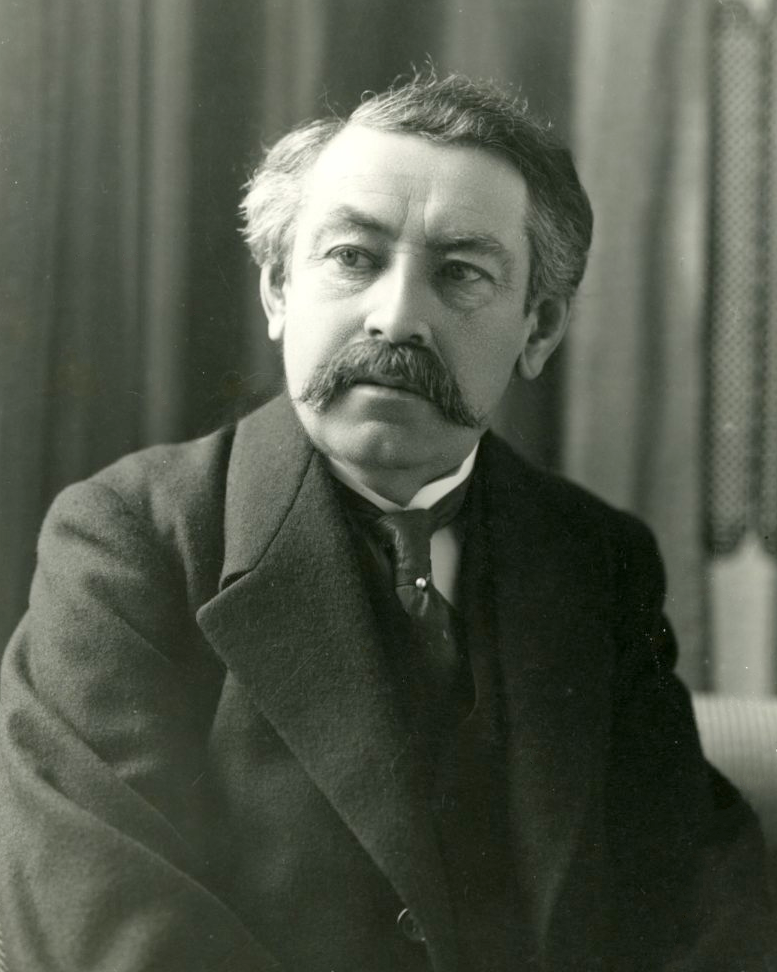
Aristide Briand: French statesman, peacemaker, and Nobel laureate
Aristide Briand (1862–1932) was a leading French statesman who championed secular reform at home and reconciliation with Germany abroad, shaping the Locarno and Kellogg–Briand initiatives and winning the 1926 Nobel Peace Prize.
Aristide Briand was a prominent French politician and diplomat active in the late 19th and early 20th centuries. Born in 1862, he rose from involvement in social and labor causes to become a key figure of the Third Republic. Briand combined domestic reform with an emphasis on international law and collective security, seeking to reduce the likelihood of war through treaties, arbitration and cooperation between states.
Image gallery
8 Images



Domestic politics and reform
Domestically Briand was associated with the labor movement and with efforts to modernize the role of the state. He played an important part in debates over church–state relations and the final formulation of the 1905 law separating religious institutions from the French state. Over several decades he served in many governments and was appointed Prime Minister of France on multiple occasions beginning in 1909, where he navigated social tensions, parliamentary coalitions and the evolving role of party politics in the Republic.
International diplomacy and reconciliation
On the international stage Briand became best known for initiatives aimed at reconciling France and Germany and strengthening European stability after World War I. As foreign minister he helped fashion arrangements associated with the Locarno framework and was a leading advocate for the idea that diplomacy and legal agreements could reduce the chance of renewed conflict. He supported cooperation through the League of Nations and treaties designed to normalize relations with Germany and improve security in western Europe.
Some contemporaries criticized Briand for being too conciliatory toward Germany, arguing that accommodation might reward revisionist tendencies. Supporters countered that his approach sought to make war less likely by binding states into clear commitments and mutual guarantees. He was involved in both the Locarno process and in later multilateral proposals intended to outlaw aggressive war, reflecting a consistent emphasis on legal and diplomatic remedies rather than military confrontation. See discussions of his role in the Locarno accords in analyses of the Locarno Pact and the broader effort to stabilize relations with Germany.
Roles, achievements and legacy
- Long-serving figure of the French Third Republic: multiple ministerial posts including prime minister and foreign minister.
- Instrumental in the 1905 separation of church and state in France and in policies affecting labor and social legislation.
- Internationally recognized for efforts toward Franco-German reconciliation and European security; awarded the Nobel Peace Prize in 1926.
Briand’s legacy is mixed: he is remembered as a pragmatic reformer at home and a determined, if sometimes controversial, advocate for diplomacy abroad. His proposals influenced later attempts to create legal restraints on the resort to war and helped shape interwar debates about collective security and European cooperation. Historians continue to assess how much his conciliatory policies reduced tensions or postponed confrontation, but his impact on diplomatic vocabulary and institutions of the era is widely acknowledged.
Related articles
Author
AlegsaOnline.com Aristide Briand: French statesman, peacemaker, and Nobel laureate Leandro Alegsa
URL: https://en.alegsaonline.com/art/114527