
Arif Dirlik: Historian of Modern China, Globalization, and Postcolonial Critique
Turkish-American historian (1940–2017) known for scholarship on modern China, historiography, modernity, globalization, and postcolonial theory. Educated at Robert College and University of Rochester.
Overview
Arif Dirlik (1940–2017) was a Turkish-American historian and intellectual whose work reshaped debates about modern China, global modernity, and postcolonial critique. He is widely recognized for examining how nationalism, Marxism, and colonial legacies shaped historical narratives and political ideologies in the twentieth century.
Image gallery
1 Image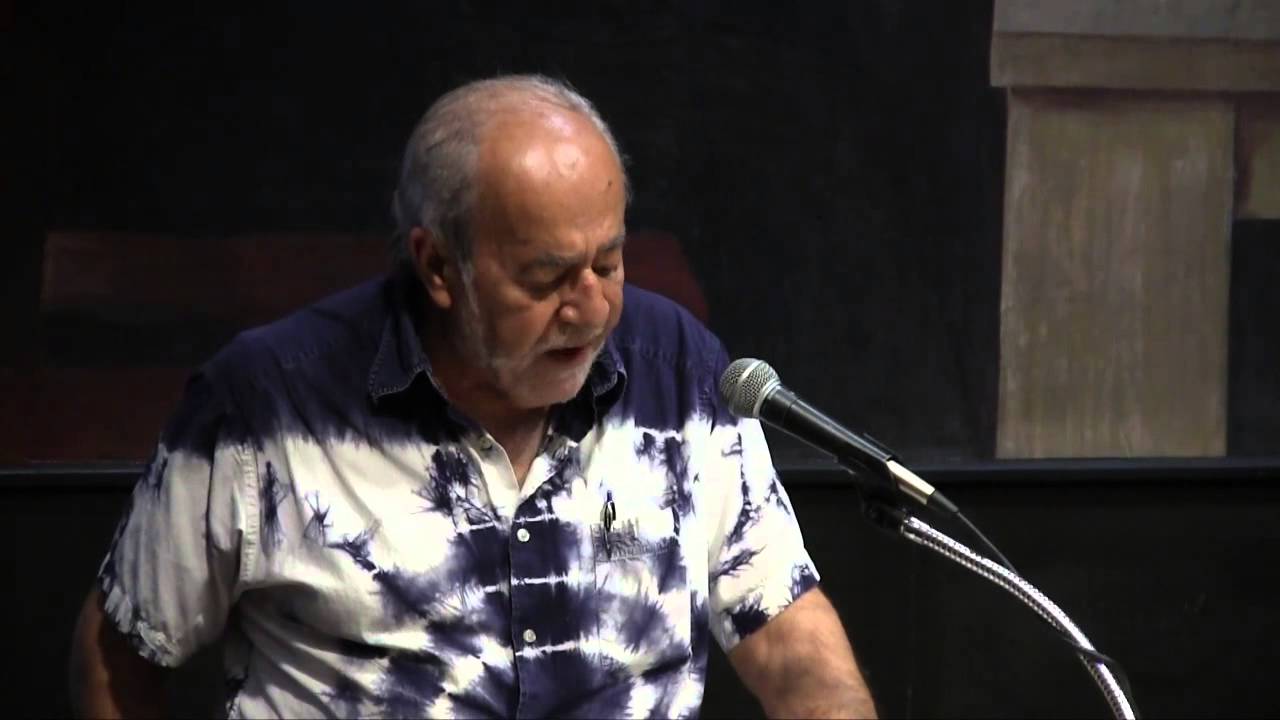
Education and early biography
Dirlik completed a Bachelor of Science in Electrical Engineering at Robert College in Istanbul in 1964, and later earned a Ph.D. in History from the University of Rochester in 1973. These formative years combined technical training and historical study, informing his interdisciplinary approach to questions of science, technology, and social change.
Major themes and scholarly focus
Across articles and monographs, Dirlik explored several interrelated themes:
- Historiography: critical examination of how histories of China and other societies are written and framed.
- Political ideology: analysis of nationalism, Marxist thought, and revolutionary discourse.
- Modernity and globalization: critique of universalist models and advocacy for understanding diverse modernities.
- Postcolonial theory: attention to colonial histories, cultural power, and the politics of knowledge.
Contributions and influence
Dirlik's work emphasized the importance of situating national histories within global processes while refusing simplistic teleologies. He challenged assumptions about Western-centered modernity and highlighted the political stakes of historical interpretation. Scholars in history, area studies, and cultural theory have engaged his arguments for rethinking the connections among empire, nation, and global capitalism.
Later life and legacy
Dirlik died in Eugene, Oregon (Eugene, Oregon) on December 1, 2017. His writings continue to be cited in debates over how to historicize modernity, how to read ideological formations, and how to integrate postcolonial perspectives into the study of Asia and the wider world. For readers interested in comparative history and critical theory, his corpus offers a sustained model of interdisciplinary, politically engaged scholarship.
Related articles
Author
AlegsaOnline.com Arif Dirlik: Historian of Modern China, Globalization, and Postcolonial Critique Leandro Alegsa
URL: https://en.alegsaonline.com/art/114524
Sources
- ids-uva.nl : Beijing Consensus: Beijing 'Gongshi.'
- networks.h-net.org : In Memoriam: Arif Dirlik (1940-2017)