
Arius (c. 260–336): Early Christian Theologian and the Arian Controversy
Arius was a Christian presbyter from Alexandria whose teachings about the Son and the Father sparked the Arian controversy and the Council of Nicaea, shaping early debates about the Trinity.
Overview
Arius (born c. 260, died 336) was a Christian presbyter whose theological views produced one of the defining controversies of early Christianity. He is commonly associated with the city of Alexandria, though some accounts indicate he was born in Libya. He died in or near Constantinople after years of dispute with other leaders of the emerging church. His opponents described his followers’ positions as "Arianism," a name used by later writers to identify a broad set of beliefs about the relationship between Father and Son within Christianity.
Image gallery
7 Images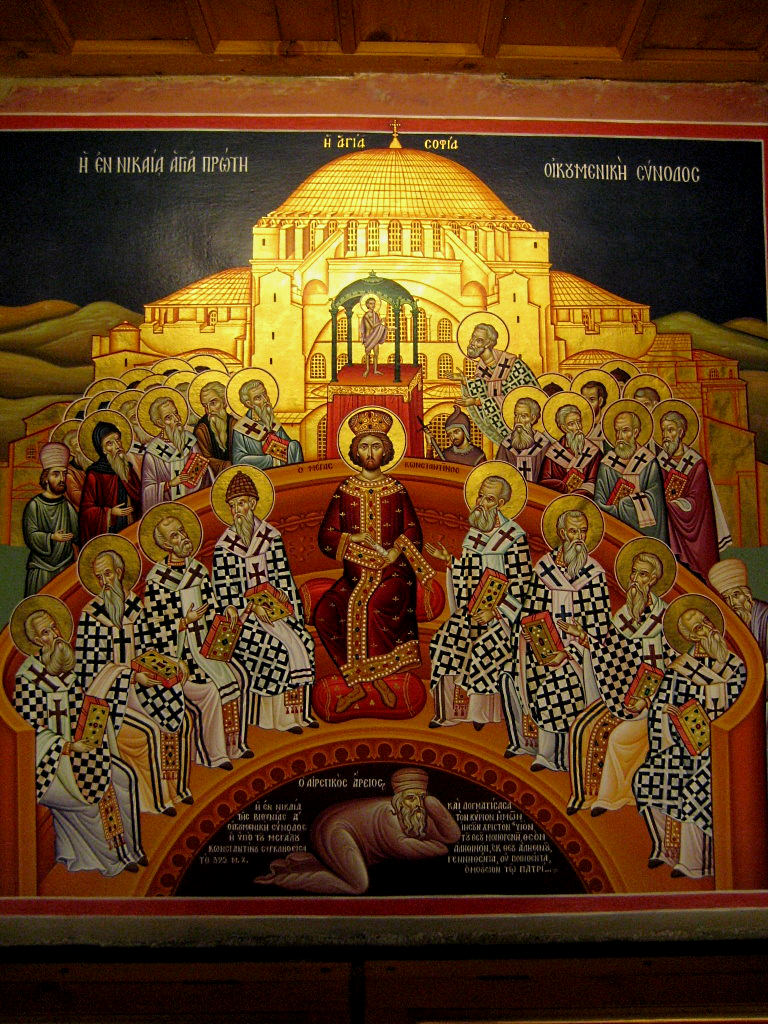



Core teaching
At the centre of Arius's thought was a claim about the origin and status of the Son (Jesus). He argued that the Son was a created being who did not share the Father's uncreated status: in his formulation, there was a time when the Son did not exist. This contrasted with those who maintained that the Father and the Son were of the same divine essence. Arius clashed with his bishop, Alexander of Alexandria, and with other defenders of the equality of the Father and the Son. Arius’s statements directly concerned how Christians understand Jesus and his relation to God.
Key points attributed to Arius
- The Son is subordinate to the Father in origin and being.
- The Son was brought into existence by the Father and therefore had a beginning.
- The Father alone is unbegotten and fully self-existent.
Council of Nicaea and immediate consequences
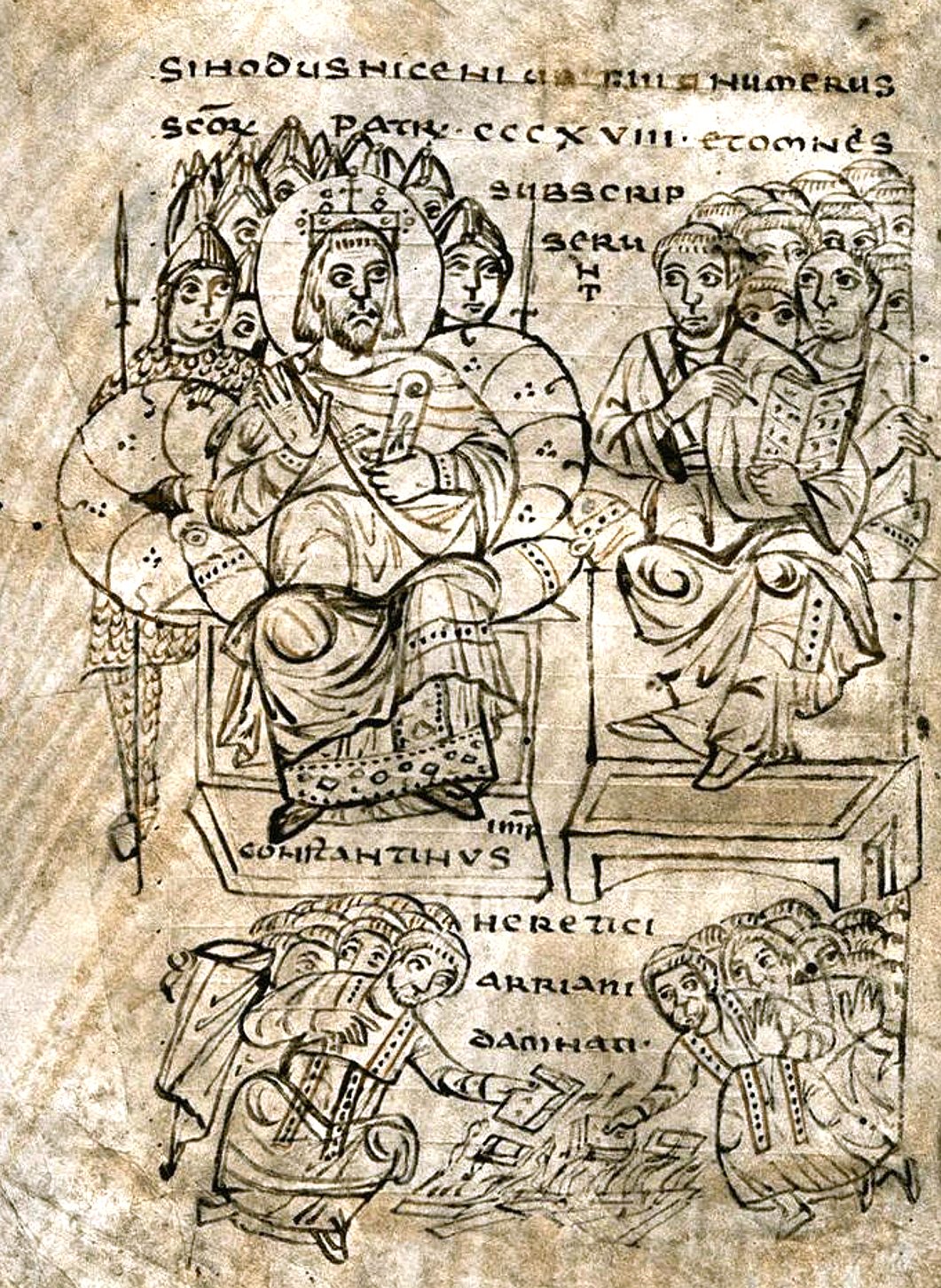
The dispute culminated in the First Council of Nicaea in 325, convened to resolve this and related controversies. The council produced a creed using the term homoousios ("of the same essence") to describe the relationship of Father and Son and rejected Arius’s formulation. Arius and many of his supporters were condemned and exiled, though political and ecclesiastical fortunes shifted in ensuing years and the debate continued for decades.
Legacy and historical significance
Although condemned at Nicaea, Arian forms of theology persisted and influenced later groups and regional churches, especially among several Germanic peoples in the later fourth and fifth centuries. The controversy helped clarify language and categories for Trinitarian doctrine, leading to later theological development and creeds. Historians treat Arius both as an individual thinker and as the namesake for a range of related positions that were debated and modified after his death.
Notable distinctions and modern perspective
Modern scholarship typically distinguishes between what Arius personally wrote or taught and the broader movement labeled "Arianism." Some later arguments attributed to Arius were developed by his followers. Scholars and theologians study the controversy for what it reveals about scriptural interpretation, metaphysical vocabulary used to discuss divine persons, and the interaction of theology and imperial politics in the fourth century.
For accessible summaries and primary-source excerpts see works and translations linked by reference libraries and academic sites: Constantinople resources, Christianity overviews, Alexandria history, North African contexts, Alexander of Alexandria, Accounts of Jesus in early theology, and writings on the Father.
Related articles
Author
AlegsaOnline.com Arius (c. 260–336): Early Christian Theologian and the Arian Controversy Leandro Alegsa
URL: https://en.alegsaonline.com/art/114530