
António de Oliveira Salazar
Portuguese statesman who led the authoritarian Estado Novo regime as prime minister from 1932 to 1968, shaping mid-20th century Portugal's politics, economy and colonial policy; a deeply contested historical figure.
Overview
António de Oliveira Salazar (28 April 1888 – 27 July 1970) was a Portuguese politician and academic who served as Prime Minister and de facto head of government of Portugal from 1932 until 1968. He established and headed the Estado Novo ("New State"), an authoritarian system that governed Portugal for decades. Salazar also briefly acted as President of the Republic in 1951. His name is commonly associated with conservative, anti-communist and corporatist policies in mid-20th century Portugal. For context on his public role see the entry for Prime Minister and general information about Portugal.
Image gallery
10 Images


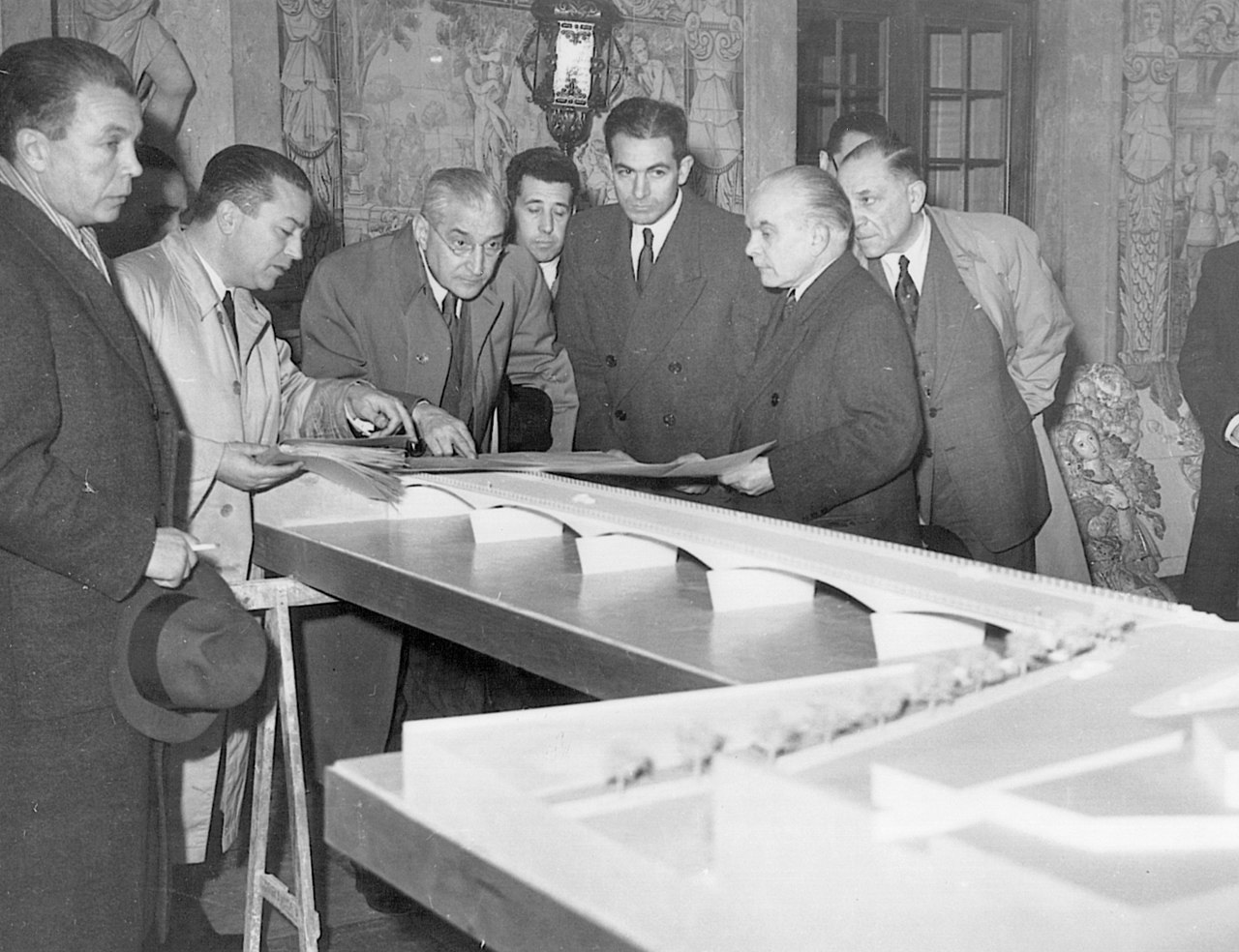


Ideology and governmental structure
Salazar promoted a centralized, hierarchical regime grounded in conservative Catholic values, fiscal austerity and opposition to liberal democracy and socialism. The Estado Novo replaced parliamentary pluralism with a corporatist model that organized society by occupational groups and limited party politics. State censorship, restrictions on assembly, and a secret police force were tools used to maintain order and suppress dissent. Scholars and critics often describe the government as right-leaning and authoritarian; more information on that political classification can be found at related sources.
Rise to power and policies
Originally an academic and finance minister, Salazar rose to lead the government after the turmoil of the early 20th century. A new constitution and institutions enacted in the 1930s consolidated his rule. Economically he emphasized balanced budgets, state supervision of key sectors and gradual modernization; these choices produced periods of fiscal stability but also constrained industrial growth and social reform.
Colonial policy and international issues
Salazar insisted on maintaining Portugal's overseas territories at a time when many European powers were moving toward decolonization. This stance led to international criticism and contributed to tensions and conflicts in Africa and Asia. His approach shaped Portugal's foreign relations and domestic politics through the 1950s and 1960s.
End of rule and legacy
After a severe cerebral event in 1968, Salazar was removed from power and succeeded by another government leader; he died in 1970. The Estado Novo itself lasted until the Carnation Revolution of 1974. Salazar's legacy remains controversial: supporters credit him with stability and fiscal discipline, while opponents highlight political repression, limited civil liberties and delayed social and economic modernization. For details on his temporary presidential role see presidential records, and for broader contextual analysis consult national histories and studies of authoritarian regimes.
- Key features: corporatism, censorship, fiscal conservatism, colonialism.
- Important dates: premiership 1932–1968; death 1970; Estado Novo ended 1974.
Questions and answers
Q: Who was António de Oliveira Salazar?
A: António de Oliveira Salazar was the Prime Minister and dictator of Portugal from 1932 to 1968.
Q: What was the Estado Novo?
A: The Estado Novo was an authoritarian, right-wing government in Portugal that was started and led by António de Oliveira Salazar. It ruled Portugal from 1932 to 1974.
Q: When did António de Oliveira Salazar become the President of the Republic of Portugal?
A: António de Oliveira Salazar became the President of the Republic of Portugal in 1951, but only as an interim president.
Q: How long did António de Oliveira Salazar rule Portugal?
A: António de Oliveira Salazar ruled Portugal from 1932 to 1968, a total of 36 years.
Q: What were some of the titles and honors that António de Oliveira Salazar held?
A: António de Oliveira Salazar held the titles and honors of GColIH (Grand Collar of the Order of Prince Henry), GCTE (Grand Cross of the Order of Saint James of the Sword), and GCSE (Grand Cross of the Order of Saint Stephen of Hungary).
Q: What type of government did António de Oliveira Salazar establish in Portugal?
A: António de Oliveira Salazar established an authoritarian, right-wing government in Portugal called the Estado Novo.
Q: When did the Estado Novo government in Portugal come to an end?
A: The Estado Novo government in Portugal came to an end in 1974, after the Carnation Revolution.
Related articles
Author
AlegsaOnline.com António de Oliveira Salazar Leandro Alegsa
URL: https://en.alegsaonline.com/art/114354