
António Ramalho Eanes (Portuguese general and president)
Portuguese army general and politician who served as President of Portugal (1976–1986), helped stabilize democracy after the Carnation Revolution and later founded the Democratic Renewal Party.
António dos Santos Ramalho Eanes (born 25 January 1935) is a Portuguese military officer and public figure best known for serving as President of Portugal from 1976 to 1986. His personal name follows Portuguese naming conventions: the first family name is Ramalho and the second is Eanes, a point often noted in biographical references. For background on naming practice see Portuguese naming customs.
Image gallery
4 Images


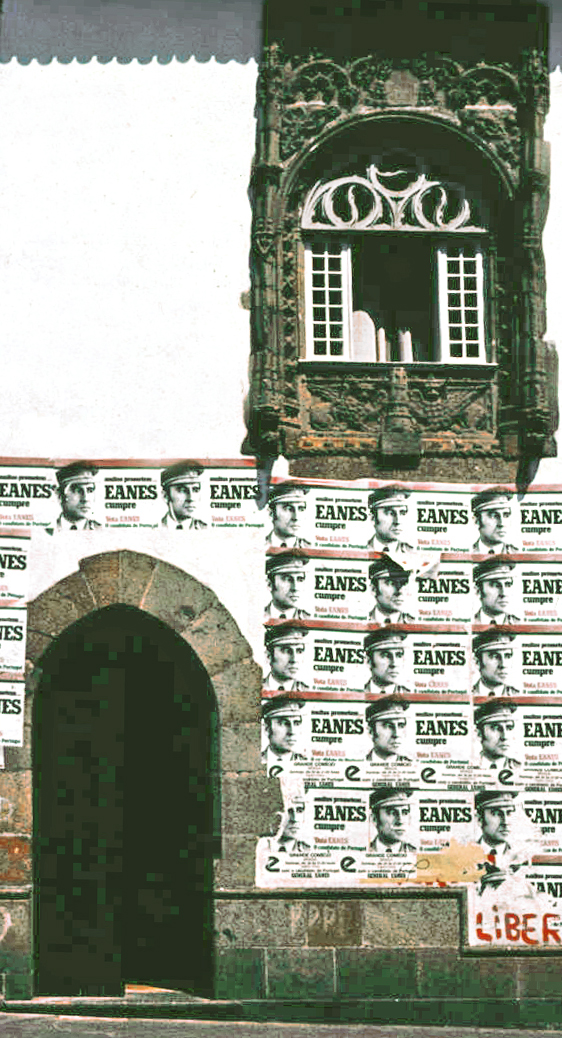
Early life and military career
Eanes trained and served in the Portuguese armed forces and rose through the officer ranks during a period of rapid political change in Portugal. He became prominent in the years around the 1974 Carnation Revolution and is widely described as a career military officer who reached the rank of general. His military background and reputation for discipline helped him act as an intermediary between different political forces during the transitional period that followed the end of authoritarian rule.
Presidency and role in democratization
Elected to the presidency in 1976, Eanes served two terms and presided over a delicate phase of constitutional implementation and political consolidation. As head of state he was generally regarded as a stabilizing force who favored constitutional order and civilian government while maintaining a constructive relationship with the armed forces. His time in office is often credited with helping to anchor Portugal's new democratic institutions and easing social and political tensions.
Later political activity and public life
After leaving the presidency he remained active in public life. In the mid-1980s he helped launch a political group aimed at renewing democratic politics, and for a period that movement had measurable influence on national debates. Over time he withdrew from frontline party politics but continued to be a respected voice on matters of national unity and institutional stability. Contemporary accounts frequently describe him as a moderate politician who sought compromise between competing factions.
Legacy and notable facts
Eanes is remembered for the combination of military credentials and a commitment to democratic norms. He received several national honors and remains a figure often cited in discussions about Portugal's peaceful transition from authoritarian rule. Scholars and commentators note his contribution to civilian-military relations and to building confidence in the new constitutional order. He held the office of President of Portugal across two successive terms and his presidency is a frequent case study in modern Portuguese political history.
- Born: 25 January 1935.
- Profession: Career military officer, commander, head of state.
- Presidency: 1976–1986; two terms that oversaw democratic consolidation.
- Public role: Founder/leader of a post-presidential political initiative and ongoing public commentator.
- Pronunciation and formal titles are used in Portuguese sources and ceremonial records.
For further reading on his life and the broader political context see specialized histories of Portugal's democratic transition and profiles available through academic and archival resources.
Related articles
Author
AlegsaOnline.com António Ramalho Eanes (Portuguese general and president) Leandro Alegsa
URL: https://en.alegsaonline.com/art/114358