
António Guterres: Portuguese Statesman and United Nations Secretary-General
Overview of António Guterres, his political career in Portugal, leadership at the UN Refugee Agency, and role as UN Secretary-General, with key priorities and notable facts.
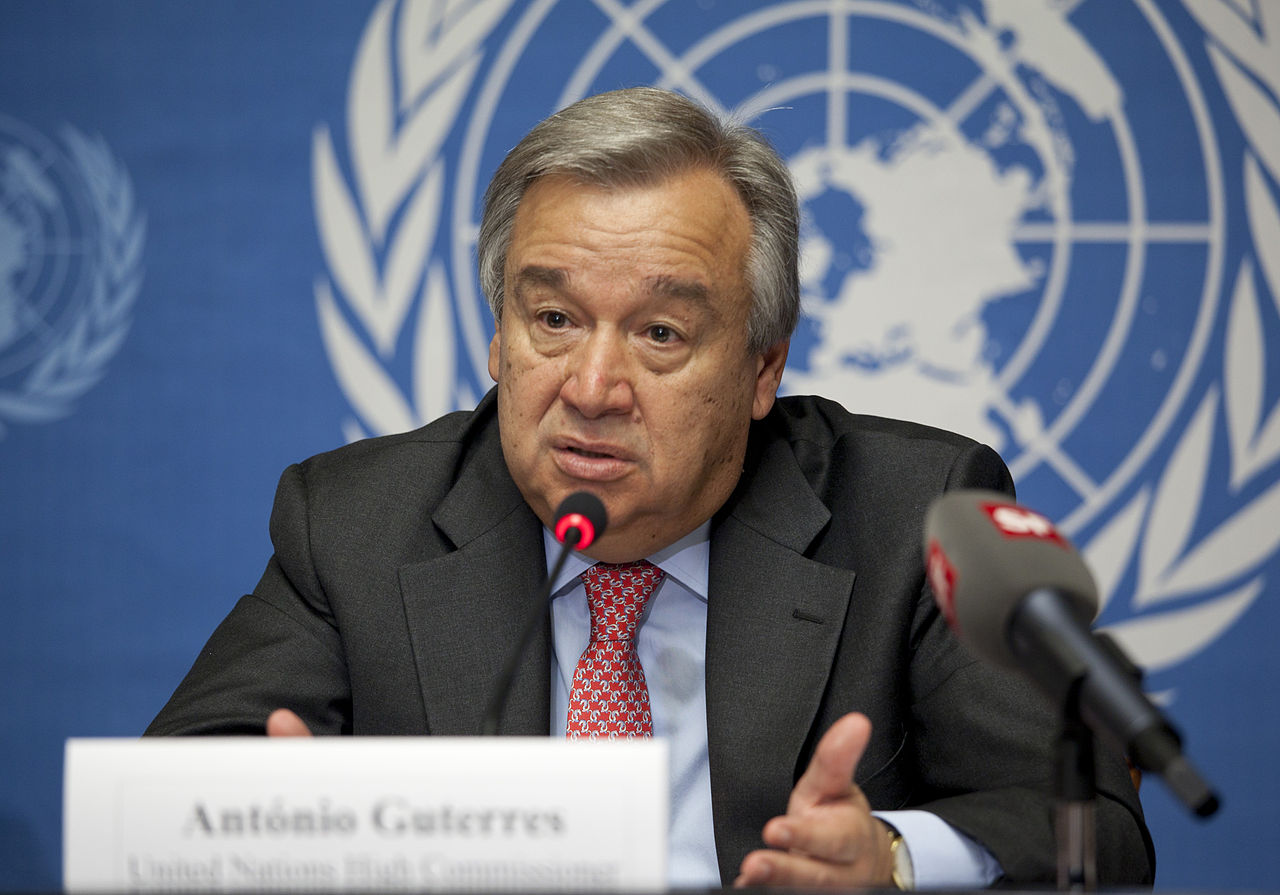
António Manuel de Oliveira Guterres (born 30 April 1949) is a Portuguese politician and diplomat best known for serving as Secretary-General of the United Nations since 2017. Before assuming that global post he led Portugal's government as Prime Minister and later headed the UN refugee agency. His public reputation rests on crisis management, advocacy for refugees and displaced people, and a sustained emphasis on multilateral cooperation.
Image gallery
10 Images



Career and principal offices
Guterres's career spans national politics and international diplomacy. His principal roles include:
- Leader of Portugal's Socialist Party and Prime Minister of Portugal (1995–2002).
- President of the Socialist International (1999–2005), a worldwide association of social-democratic parties.
- United Nations High Commissioner for Refugees (UNHCR) from 2005 to 2015, overseeing humanitarian response during multiple refugee crises.
- Secretary-General of the United Nations, first appointed by the United Nations General Assembly in 2016 to take office in 2017; he succeeded Ban Ki-moon.
During his time at the UN he was reappointed for a second term that continued the organization’s focus on peacebuilding, humanitarian access and preventive diplomacy. His tenure has involved managing the Secretariat, representing the UN in diplomatic settings, and setting administrative priorities across UN agencies.
Policy priorities and initiatives
Guterres has articulated a set of recurring priorities that guide his work at the UN. These include strengthening multilateral institutions, responding to large-scale humanitarian emergencies, addressing climate change as a global security risk, and advancing human rights and gender equality. He has publicly called for increased burden-sharing among member states for refugees and for reforms to make the UN more effective and transparent.
Key themes promoted by Guterres can be grouped as:
- Humanitarian protection and refugee response.
- Climate action linked to security and development.
- Support for multilateral diplomacy and collective crisis management.
- Institutional reform, including management and accountability at the UN.
These priorities reflect both his earlier work with displaced populations at the refugee agency and his political background in social-democratic governance.
Background, reputation and notable facts
Born in Portugal in 1949, Guterres entered public life in the decades following Portugal’s mid-20th-century political transformations. As a national leader he combined social policy with European engagement; at the international level he earned recognition for leading the UN refugee agency through protracted crises in the Middle East, Africa and elsewhere. Observers often describe him as a pragmatic consensus-builder who emphasizes dialogue and diplomacy.
Guterres has received national and international honors and remains a prominent voice on migration, climate and multilateral cooperation. For more detailed institutional information see the organizations he has led: Socialist International, UNHCR, and meetings of the United Nations General Assembly, where his selection and mandate were confirmed. His immediate predecessor at the UN was Ban Ki-moon.
Questions and answers
Q: Who is António Manuel de Oliveira Guterres?
A: António Manuel de Oliveira Guterres is a Portuguese politician and diplomat who is currently serving as the Secretary-General of the United Nations.
Q: When did Guterres become the Secretary-General of the United Nations?
A: Guterres became the Secretary-General of the United Nations in 2017.
Q: What other positions has Guterres held in his career?
A: Guterres was Prime Minister of Portugal from 1995 to 2002 and served as President of the Socialist International from 1999 to 2005. He was also the United Nations High Commissioner for Refugees from June 2005 to December 2015.
Q: Who did Guterres replace as Secretary-General of the United Nations?
A: Guterres replaced Ban Ki-moon as Secretary-General of the United Nations.
Q: What is Guterres' political affiliation?
A: Guterres is a member of the Socialist Party.
Q: When was Guterres elected as the United Nations secretary-general?
A: Guterres was elected as the United Nations secretary-general in October 2016.
Q: How was Guterres elected as United Nations secretary-general?
A: Guterres was elected by acclamation by the United Nations General Assembly to become the next United Nations secretary-general.
Related articles
Author
AlegsaOnline.com António Guterres: Portuguese Statesman and United Nations Secretary-General Leandro Alegsa
URL: https://en.alegsaonline.com/art/114357
Sources
- telegraph.co.uk : "Who is Antonio Guterres, the next Secretary-General of the United Nations?"
- 24.sapo.pt : "António Guterres: católico, socialista e político por acréscimo - Atualidade - SAPO 24"
- cbsnews.com : "Antonio Guterres, former Portugal Prime Minister, next United Nations secretary general"
- parlamento.pt : "Biografia"
- ft.com : 5 things to know: Portuguese who said no to EU but yes to UN
- jn.pt : "A longa marcha dos direitos homossexuais"
- sicad.pt : Lei n.º 30/2000, de 29 de Novembro
- dre.pt : Lei n.º 7/2001, de 11 de Maio
- unhcr.org : "António Guterres (Portugal): 2005-2015"
- bbc.com : Who is Antonio Guterres? Meet the UN's next secretary-general
- unhcr.org : Angelina Jolie appointed as Special Envoy of High Commissioner Guterres
- unhcr.org : "Previous High Commissioners"
- un.org : "UN News - António Guterres appointed next UN Secretary-General by acclamation"
- abclive.in : "Guterres Puts Peace First"