
António Egas Moniz — Portuguese neurologist and Nobel laureate
António Egas Moniz (1874–1955) was a Portuguese neurologist who developed cerebral angiography and pioneered prefrontal leucotomy (lobotomy). His work brought major advances and lasting controversy.
António Caetano de Abreu Freire Egas Moniz (29 November 1874 – 13 December 1955), commonly known as Egas Moniz, was a Portuguese neurologist, academic and statesman. In Portuguese naming practice his first family name is Egas and the second is Moniz. He combined a long university career with diplomatic and legislative service and became the first Portuguese national to be awarded a Nobel Prize, sharing the 1949 Nobel Prize in Physiology or Medicine.
Image gallery
4 Images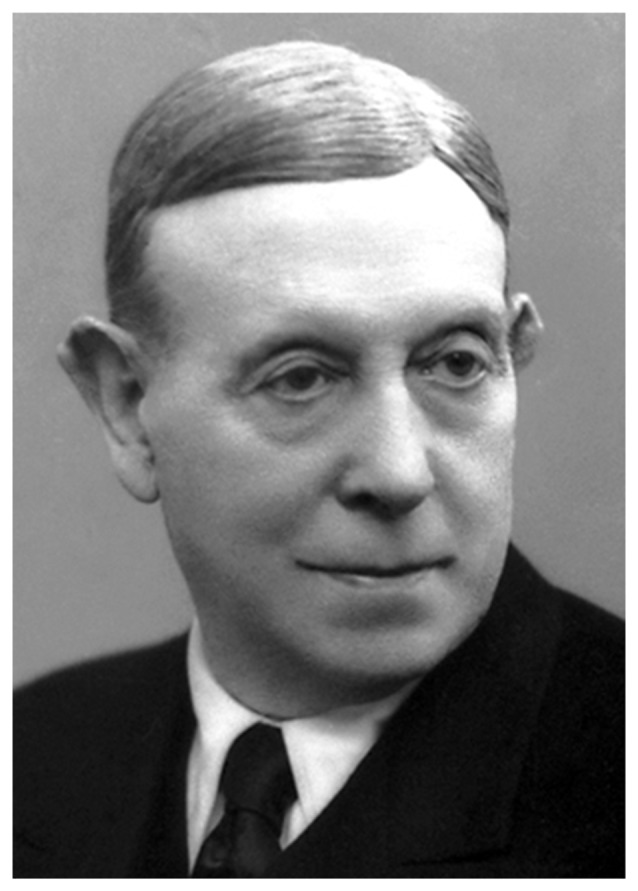


Career and roles
Moniz trained and worked as a clinician and researcher in Lisbon, where he was appointed professor of neurology in the early 20th century and remained influential until his retirement in the 1940s. He published extensively on neurological topics, lectured widely and served in a number of public offices. His professional identity was shaped by both laboratory research and surgical experimentation at a time when neurology and neurosurgery were rapidly evolving fields.
Major contributions
Two of Moniz's contributions became especially prominent in twentieth-century medicine. First, he developed cerebral angiography, a method for visualising the brain's blood vessels by injecting a radiopaque contrast agent into the cerebral circulation and taking X‑ray images. Introduced in the late 1920s, this technique provided a practical way to detect vascular malformations, aneurysms and tumours and laid groundwork for later imaging advances such as computed and magnetic resonance angiography. Cerebral angiography also became a foundation for interventional neuroradiology.
Second, Moniz pioneered a form of surgical treatment for some psychiatric disorders known as prefrontal leucotomy (commonly called lobotomy in English). Developed in the mid‑1930s, the procedure aimed to interrupt selected white‑matter connections in the frontal lobes to reduce severe agitation, depression or psychosis that did not respond to existing treatments. The approach was promoted at the time as a therapeutic option for otherwise intractable mental illnesses and was influential internationally.
Controversy, decline and influence
Both achievements carried mixed consequences. Cerebral angiography is widely regarded as a major advance and remains important in diagnosis and interventional procedures, even as noninvasive CT and MR angiography have supplemented it. The surgical practice of leucotomy, however, became highly controversial: outcomes varied, and many patients experienced profound personality change, cognitive deficits or adverse events. Ethical concerns, variable efficacy and the emergence of antipsychotic medications in the 1950s led to a steep decline in routine psychosurgical lobotomies.
- Key contributions: cerebral angiography (neuroimaging) and prefrontal leucotomy (psychosurgery).
- Recognition: Nobel Prize in Physiology or Medicine, 1949, shared with Walter Rudolf Hess.
- Context: earlier experimenters such as Gottlieb Burckhardt are often cited as precursors of modern psychosurgery; Moniz is commonly credited with formalising and popularising the method.
Legacy
Moniz's legacy is complex. He is remembered both for establishing a durable clinical technique that transformed neurodiagnostic practice and for initiating a surgical method whose humanitarian costs provoked long‑running ethical debate. Modern neuroscience acknowledges his role in the history of brain surgery and imaging while also recognising the limits and harms of mid‑20th‑century psychosurgical practice. For further reading on neurology and the history of these techniques see resources on neurology and neurosurgery.
His career illustrates the intertwined growth of clinical innovation, scientific ambition and the moral responsibilities that accompany interventions on the human brain. Moniz remains a pivotal figure in the history of medicine: a skilled clinician and researcher whose work produced both lasting tools and contentious practices that shaped twentieth‑century psychiatry and neurology.
Questions and answers
Q: Who was António Egas Moniz?
A: António Egas Moniz was a Portuguese neurologist who developed cerebral angiography and the surgical procedure leucotomy.
Q: What is cerebral angiography?
A: Cerebral angiography is a technique developed by António Egas Moniz to visualise the blood vessels in and around the brain.
Q: What is leucotomy?
A: Leucotomy, also known as lobotomy, is a surgical procedure developed by António Egas Moniz.
Q: Is leucotomy still used today?
A: No, leucotomy is now rarely used.
Q: Who is regarded as the founder of modern psychosurgery?
A: More commonly, Gottlieb Burckhardt is regarded as the founder of modern psychosurgery.
Q: Did António Egas Moniz receive a Nobel Prize?
A: Yes, António Egas Moniz became the first Portuguese national to receive a Nobel Prize when he shared it with Walter Rudolf Hess in 1949.
Q: Besides his medical work, what else did António Egas Moniz do?
A: Besides his medical work, António Egas Moniz also held academic positions, wrote many medical articles, and served in several legislative and diplomatic posts in the Portuguese government.
Related articles
Author
AlegsaOnline.com António Egas Moniz — Portuguese neurologist and Nobel laureate Leandro Alegsa
URL: https://en.alegsaonline.com/art/114356
Sources
- jrank.org : "neurosurgery"
- doi.org : 10.1177/0957154X9700802905
- doi.org : 10.1076/jhin.10.1.79.5634
- books.google.com : Classic Cases in Neuropsychology
- nobelprize.org : "Comments by Carl Skottsberg, President of the Royal Academy of Sciences (Sweden), Nobel Medicine Prize Banquet 1949"