
Anguilla (British Overseas Territory)
Anguilla is a small British Overseas Territory in the eastern Caribbean, made up of a main island and several smaller cays. It has a British-style local government and an economy focused on tourism, finance and fishing.
Overview
Anguilla is a cluster of islands in the eastern Caribbean Sea. It is a British Overseas Territory under the sovereignty of the United Kingdom, with its own locally elected government and a governor appointed by London. The territory is known for coral reefs, white sand beaches and a small, service-oriented economy.
Image gallery
9 Images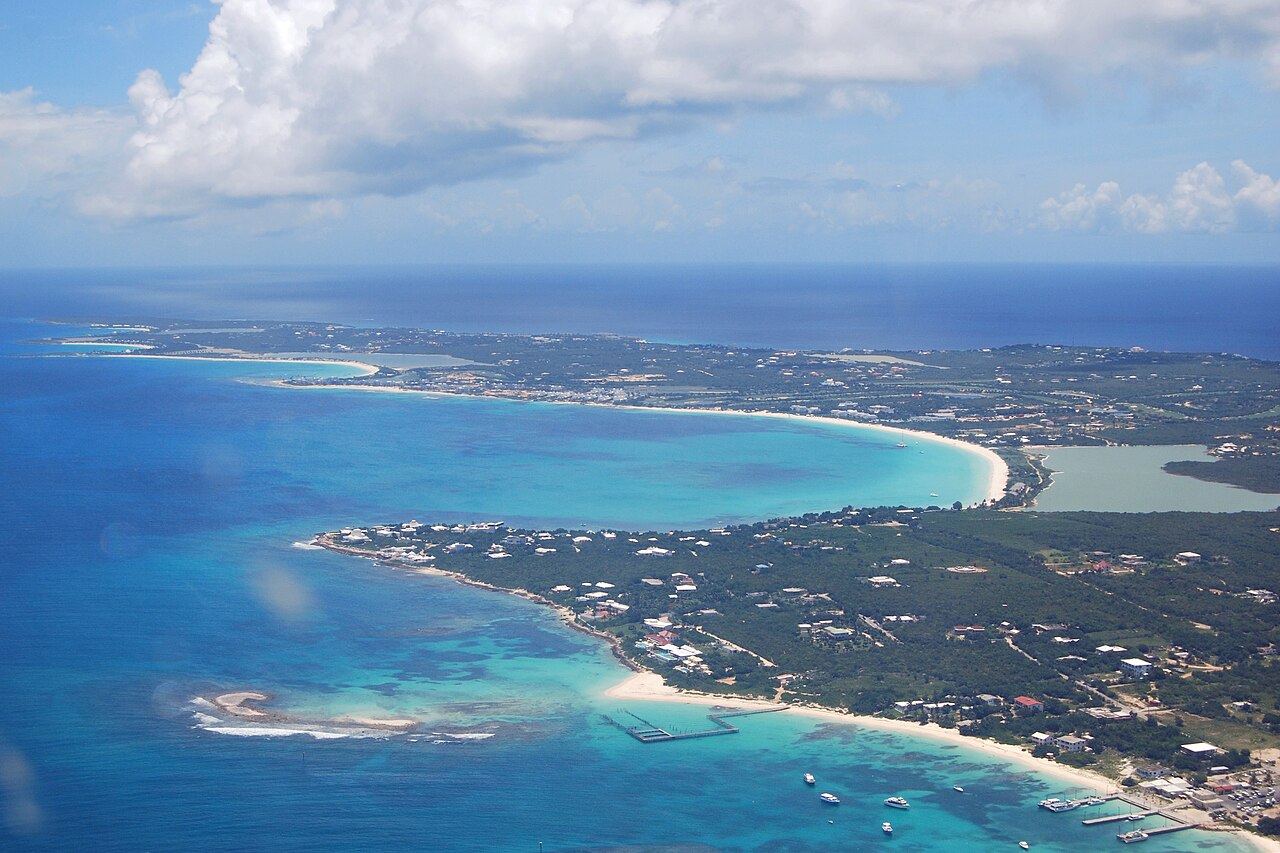


Geography and islands
The territory consists of one main inhabited island and a number of smaller cays and islets. Visitors and maps commonly refer to the central landmass simply as Anguilla; nearby smaller islands are often visited for day trips or nature reserves. The islands have low elevations and a mostly dry, tropical climate, with environments shaped by limestone and coral formations.
History and name
Before European contact the island was inhabited by Arawakan-speaking peoples who called it Malliouhana. During the colonial era Anguilla came under British influence and settlement, part of a wider pattern of Caribbean colonization by the British Empire. In the 20th century political arrangements changed: Anguilla had been associated with Saint Kitts and Nevis but chose a separate status when the other islands moved toward independence. The modern name derives from the Spanish word anguila, meaning eel, a reference to the island's long, narrow shape.
Government and economy
Anguilla operates with a mix of local self-government and oversight from the United Kingdom. Executive authority includes a governor plus locally elected officials and a legislative chamber. The economy relies heavily on tourism, small-scale fishing, hospitality services and offshore financial services; limited agriculture supplies local markets.
Culture and notable facts
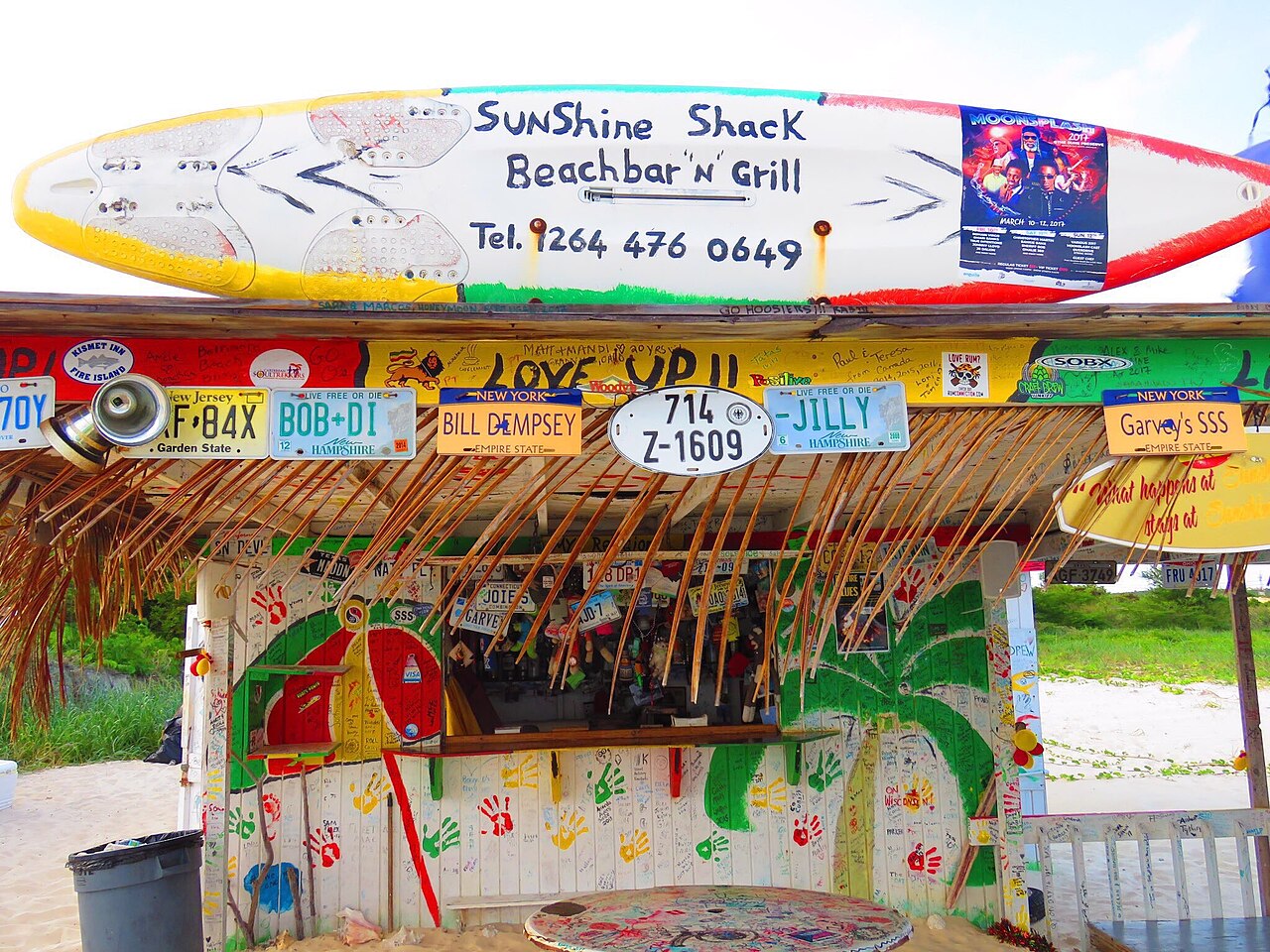
Local culture blends Caribbean traditions, British influences and African heritage in music, food and festivals. Anguilla is popular for beach tourism, diving and boating. Its low population and small size make it distinct among Caribbean territories, while its political status as a British Overseas Territory shapes legal and administrative arrangements.
Tags
Related articles
Author
AlegsaOnline.com Anguilla (British Overseas Territory) Leandro Alegsa
URL: https://en.alegsaonline.com/art/4233
Sources
- cia.gov : cia.gov/library/publications/the-world-factbook/geos/av.html
- esa.un.org : "World Population Prospects: The 2017 Revision"
- data.un.org : "UN Data"