
Anne Braden
Anne Braden (1924–2006) was an American journalist and white Southern activist who spent decades working for racial justice, fair housing and civil rights on the front lines and through writing and organizing.
Overview
Anne Braden (July 28, 1924 – March 6, 2006) was an American civil rights advocate and activist who combined reporting, organizing and public speaking to challenge segregation and economic inequality. Trained as a reporter, she used the tools of journalism along with grassroots work to support campaigns for integrated housing, voting rights and interracial political coalitions.
Image gallery
1 Image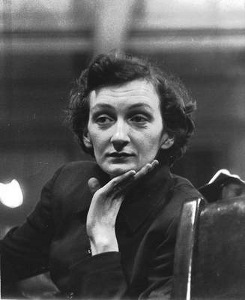
Journalism and early career
Braden worked for newspapers in several Southern cities, including stints in Louisville, Anniston and Birmingham. Her newsroom background shaped a fact-based approach to activism: she documented discriminatory practices, wrote investigative pieces, and trained others to gather evidence for legal and community campaigns. Over time she moved from reporting to full-time organizing while continuing to write essays and public commentary.
Activism and notable campaigns
Anne Braden is particularly associated with efforts to secure fair housing and to support Black families seeking to move into segregated neighborhoods. She worked closely with community organizations and legal advocates to contest exclusionary practices and to build interracial alliances. Her involvement in high-profile housing efforts drew national attention and sometimes violent backlash, illustrating the risks faced by Southern civil-rights allies.
Legal challenges and public response
Because of her public role and the political climate of the 1950s and 1960s, Braden and some colleagues were subject to surveillance, prosecutions and accusations intended to discredit interracial organizing. She defended her actions as part of a broader struggle for constitutional rights, and she used publicity to expose the tactics used against civil-rights workers.
Legacy and influence
Braden remained active for decades, mentoring younger organizers, speaking about structural racism and advocating for economic as well as racial justice. Her life illustrates the role that white Southern allies played in the movement, and her career bridged journalism and direct action. Scholars and activists continue to cite her work when discussing grassroots integration strategies, coalition-building and the politics of Northern and Southern support for civil rights.
Key themes
- Journalism to organizing: used reporting skills to document injustice and support legal cases.
- Housing equality: persistent focus on access to neighborhoods and fair lending.
- Interracial collaboration: emphasized shared political work across racial lines.
- Endurance: decades-long commitment despite opposition and legal pressure.
For additional context on her life and work, see contemporary accounts and archival materials linked through institutional collections and oral histories associated with civil-rights research projects. Additional resources: biographical summaries, newspaper archives and retrospective analyses available via scholarly repositories and activist organizations.
Related articles
Author
AlegsaOnline.com Anne Braden Leandro Alegsa
URL: https://en.alegsaonline.com/art/114302
Sources
- veteransofhope.org : "Anne Braden"
- americanswhotellthetruth.org : "Anne Braden"
- hereandnow.wbur.org : "Louisville Remembers A Tumultuous Time 60 Years Ago"
- nytimes.com : "Anne Braden, 81, Activist in Civil Rights and Other Causes, Dies"
- wfpl.org : "Remembering the Wades, the Bradens and the Struggle for Racial Integration in Louisville"
- explorekyhistory.ky.gov : "Civil Rights Struggle, 1954/Wades: Open Housing Pioneers"
- ket.org : "Anne Braden"