
Anne Marie d'Orléans, Duchess of Savoy and Queen of Sardinia
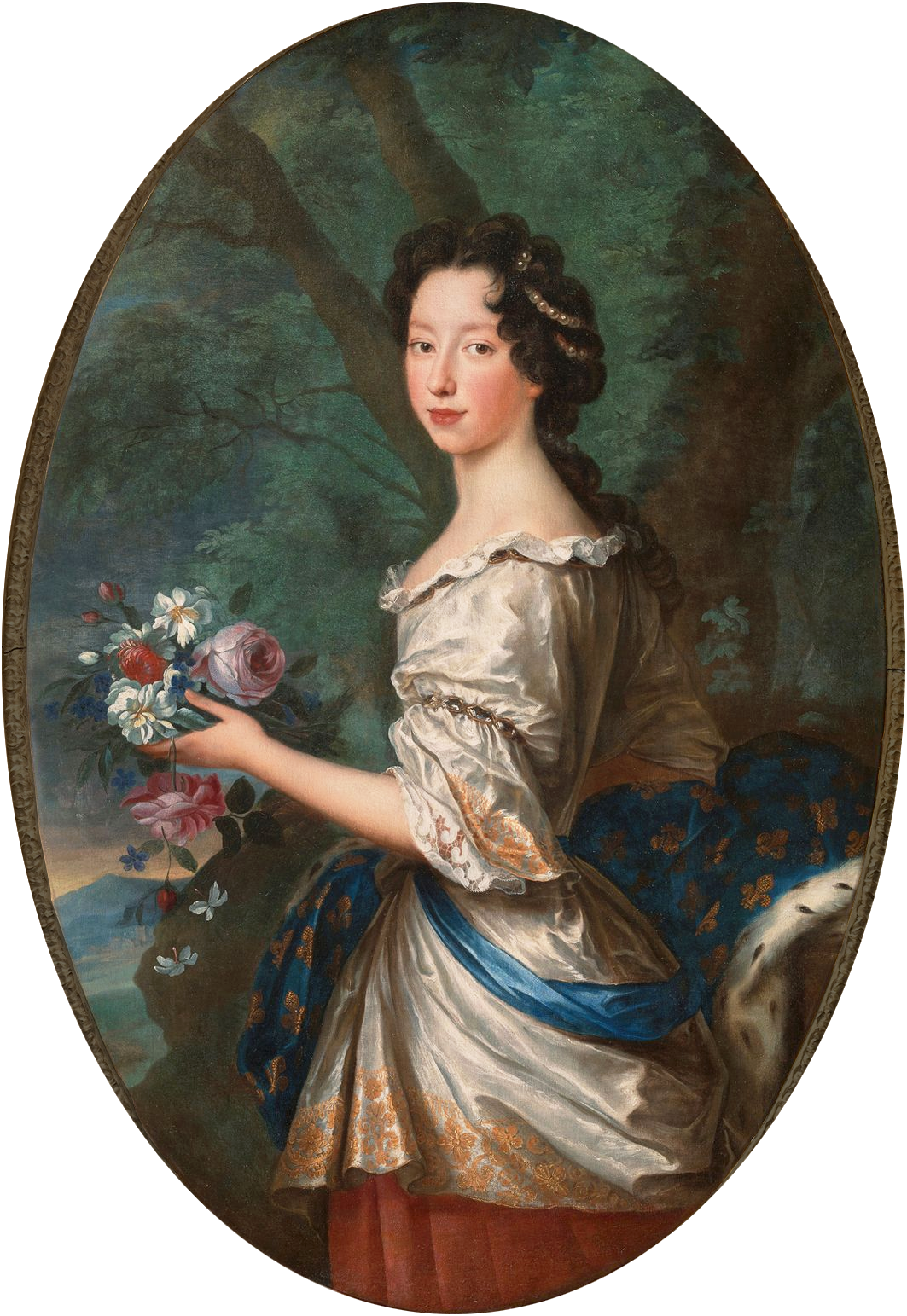
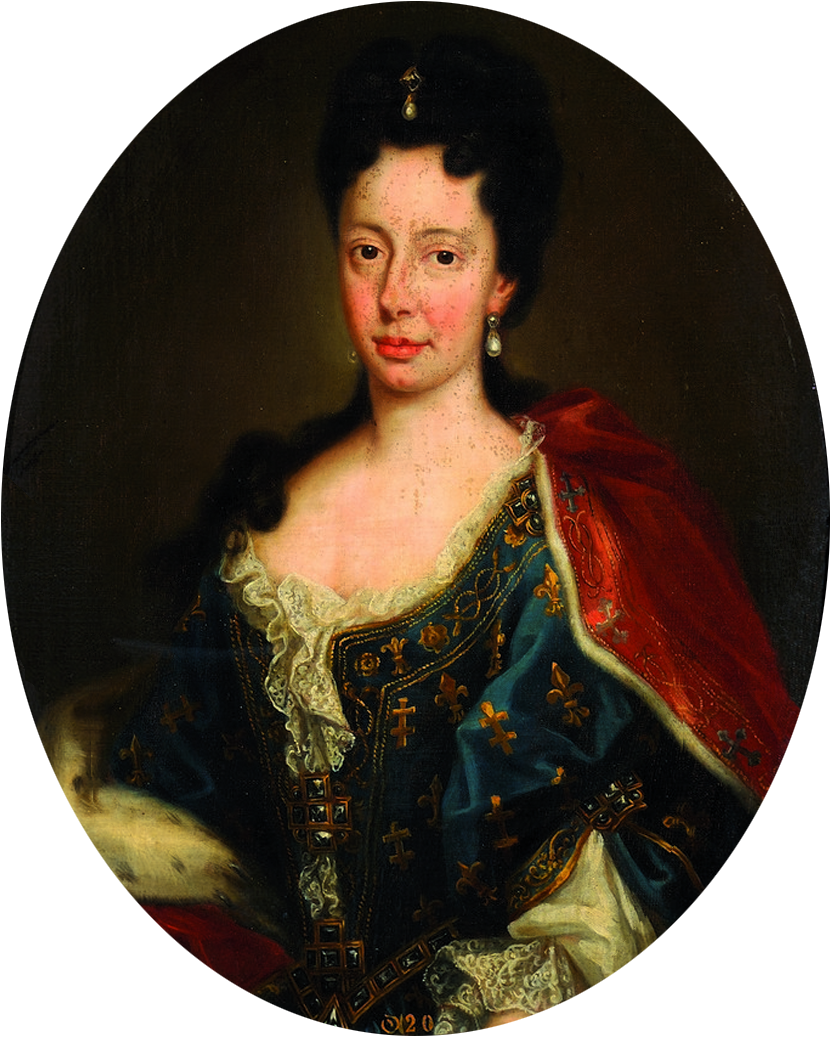
French princess Anne Marie d'Orléans (1669–1728), niece of Louis XIV, wife of Victor Amadeus II of Savoy; she linked the House of Savoy with Bourbon Spain and Bourbon France through her children.
Overview
Anne Marie d'Orléans (27 August 1669 – 26 August 1728) was a French princess who became Duchess of Savoy and later queen consort in the ruling house of Savoy. Born into the Orléans branch of the French royal family, she was a niece of Louis XIV. By marriage she spent most of her life at the Savoyard court and was known in Italy as Anna Maria.
Image gallery
5 Images


Family background and early life
As a member of the House of Orléans, Anne Marie belonged to a cadet line closely related to the senior Bourbon kings of France. Her upbringing combined the expectations of high-born French princesses—dynastic marriage, court ceremony and religion—with the duties of a woman destined to strengthen alliances through family ties. These connections made her a valuable bride in the diplomatic network of late seventeenth-century Europe.
Marriage and role in Savoy
Anne Marie married Victor Amadeus II, the ruling Duke of Savoy, and became duchess consort. The union was part of a broader pattern in which smaller Italian and Alpine states secured support and legitimacy through marriages to French royalty. As duchess she performed ceremonial and representational duties, received foreign visitors, and acted as a dynastic link between Savoy and France. In contemporary Savoyard documents and letters she is often referred to by the Italian form of her name, Anna Maria.
Children and dynastic importance
Through her children Anne Marie had a lasting impact on European succession politics. Two of her daughters made particularly consequential marriages: one became the consort of Philip V of Spain, and another married the French heir apparent, commonly referred to as the Dauphin of France. These alliances strengthened ties between Savoy and the Bourbon courts in Madrid and Versailles and helped to elevate Savoy’s international standing in the early eighteenth century.
Later years and titles
During the shifting diplomacy and treaties of the early eighteenth century, Victor Amadeus accepted royal titles that changed the couple’s rank: he was at one point recognized as king in Italy, and later assumed the title King of Sardinia. As his consort Anne Marie’s status changed accordingly, and she spent her final years with the formal dignity of a queen consort. She died in 1728, having witnessed decades of political realignment in which her family played a part.
Legacy and historical note
Anne Marie is remembered chiefly for her place in the network of Bourbon dynastic marriages that connected France, Spain and Savoy. While not usually prominent as a political actor in surviving sources, her role as a mother and dynastic link contributed to the Bourbon ascendancy in western Europe and to Savoy’s rise from duchy to kingdom. In Italian and Savoyard historiography she is commonly called Anna Maria; in French sources she is identified by her Orléans lineage and her connection to Victor Amadeus II.
- Born: 27 August 1669
- Died: 26 August 1728
- Also known as: Anna Maria (in Savoy/Italy)
Questions and answers
Q: Who was Anne Marie d'Orléans?
A: Anne Marie d'Orléans was the niece of Louis XIV and the wife of Victor Amadeus II of Sardinia.
Q: When was Anne Marie d'Orléans born?
A: Anne Marie d'Orléans was born on August 27th, 1669.
Q: Who were her famous relatives?
A: Anne Marie d'Orléans was the niece of Louis XIV, the King of France.
Q: Who was Anne Marie d'Orléans married to?
A: Anne Marie d'Orléans was married to Victor Amadeus II of Sardinia.
Q: What was Anne Marie d'Orléans known as in Sardinia?
A: In Sardinia, Anne Marie d'Orléans was known as Anna Maria.
Q: Who were some of her important family members?
A: Anne Marie d'Orléans was the mother-in-law of Philip V of Spain and the Dauphin of France.
Q: When did Anne Marie d'Orléans pass away?
A: Anne Marie d'Orléans passed away on August 26th, 1728.
Related articles
Author
AlegsaOnline.com Anne Marie d'Orléans, Duchess of Savoy and Queen of Sardinia Leandro Alegsa
URL: https://en.alegsaonline.com/art/114311