
Louisville, Kentucky: Riverport City, Cultural Hub, and Home of the Kentucky Derby
Louisville, on the Ohio River, is Kentucky's largest city. Founded in 1778, it is known for the Kentucky Derby, historic river trade, diverse neighborhoods, cultural institutions, and industrial and logistics centers.
Overview
Louisville is the largest city in the U.S. state of Kentucky, situated along the Ohio River. It developed as a strategic riverport and trade center and remains an economic and cultural anchor for the region. Visitors and residents commonly identify the city with the annual Kentucky Derby—a world-famous horse racing event held each May—as well as museums, universities, and an active arts scene. The cityscape combines riverfront industry, historic districts, and contemporary neighborhoods.

Image gallery
10 Images



History and origin
The settlement that became Louisville was established in 1778 by the frontiersman George Rogers Clark. It was named in honor of King Louis XVI of France, reflecting Franco-American ties in the Revolutionary era. Through the 19th century, Louisville grew into a major riverport on the Ohio River, facilitating movement of goods, people, and ideas. Its location made it a hub for commerce, shipbuilding, and later manufacturing as the nation expanded westward.
Geography, neighborhoods, and notable places
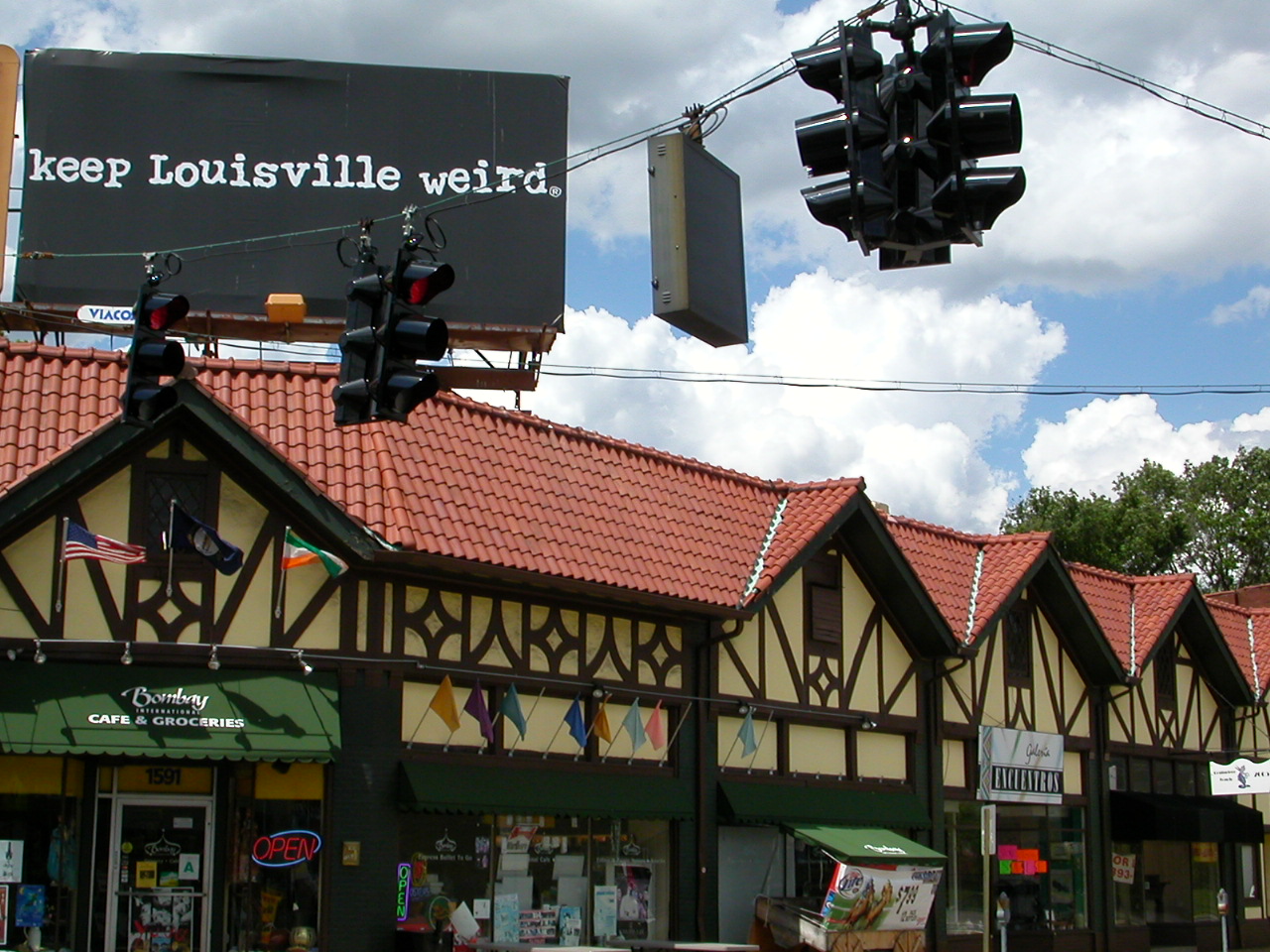
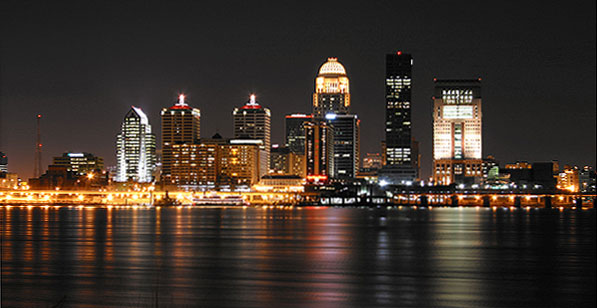
Louisville’s urban area includes historic quarters such as Old Louisville—known for its Victorian architecture—alongside lively commercial neighborhoods like the Highlands and the emerging arts district often called NuLu. The city’s terrain is defined by riverfront flats and higher inland ridges, creating distinct neighborhood characters. The night skyline and residential corridors provide varied scenes across the municipality.

Culture, economy, and institutions
The local economy blends logistics and manufacturing with healthcare, education, and tourism. Louisville hosts major shipping and air-cargo operations that serve national and international supply chains. It is also home to universities, performing arts organizations, and museums that preserve and interpret regional history. Culinary offerings range from traditional Southern fare to contemporary dining and craft beverages.

Landmarks, events, and attractions
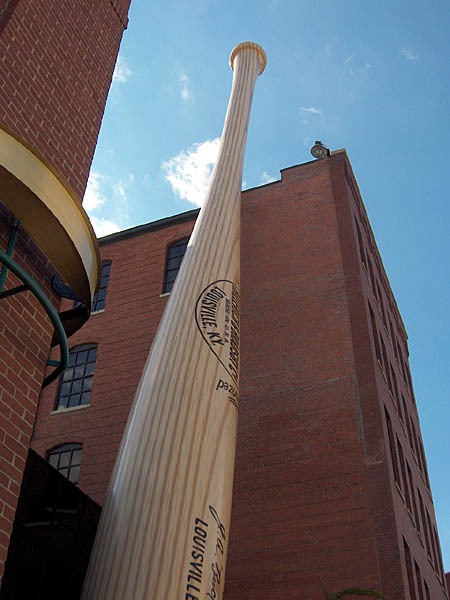
Key attractions include Churchill Downs, which stages the Derby and has become synonymous with horse racing; the Louisville Slugger Museum & Factory, marked outside by a large baseball bat and dedicated to bat-making history; and the Belle of Louisville, a preserved steamboat that recalls the era of river travel. Civic architecture and museums reflect the city’s layered past and present.
- Churchill Downs — site of the Kentucky Derby and historic racing traditions (Derby, horse, race).
- Louisville Slugger Museum & Factory — baseball history and factory tours (bat).
- Belle of Louisville — historic steamboat offering river cruises and heritage interpretation (steamboat).
Transportation and notable facts
Louisville’s river and rail links helped shape its role as a logistics center; modern air-cargo and road networks further support regional distribution. The city is also known for its strong community festivals, sports traditions, and preservation of historic districts. While the river once defined its commercial identity, today Louisville mixes industrial activity with cultural tourism and neighborhood revitalization.

For visitors and residents alike, Louisville offers a combination of historic landmarks, seasonal events, and neighborhood diversity that reflects its origin as a frontier settlement and its evolution into a metropolitan cultural and economic center.
Related articles
Author
AlegsaOnline.com Louisville, Kentucky: Riverport City, Cultural Hub, and Home of the Kentucky Derby Leandro Alegsa
URL: https://en.alegsaonline.com/art/59480
Sources
- ridetarc.org : "Transit Authority of River City (TARC)"
- blog.virgin-atlantic.com : "The Gateway to the South: A Beginner's Guide to Louisville"
- books.google.com : Civil Rights in the Gateway to the South: Louisville, Kentucky, 1945–1980
- digital.library.louisville.edu : "Flooded riverfront, Louisville, Kentucky, 1937. :: R. G. Potter Collection"
- courier-journal.com : "The Who, other must-see shows in the 'Ville"
- factfinder.census.gov : "Table 1. Annual Estimates of the Resident Population: April 1, 2010 to July 1, 2014 – United States – Combined Statistical Area; and for Puerto Rico"
- geonames.usgs.gov : "GNIS Detail – Louisville"
- commons.wikimedia.org : Louisville, Kentucky