
Bikol languages
Cluster of Austronesian languages spoken across the Bicol Peninsula and nearby islands of southeastern Luzon, Philippines, with several regional varieties and notable Spanish and Visayan contact.
The Bikol languages are a cluster of closely related Austronesian varieties spoken across the Bicol Peninsula and neighboring islands in southeastern Luzon. They form a regional branch of the larger Philippine language family and are used in daily life, local media, religious practice and cultural expression. For a general account of the group see Bikol languages. The area where these varieties are concentrated is commonly called the Bicol region, on the island of Luzon in the Philippines.
Image gallery
6 Images


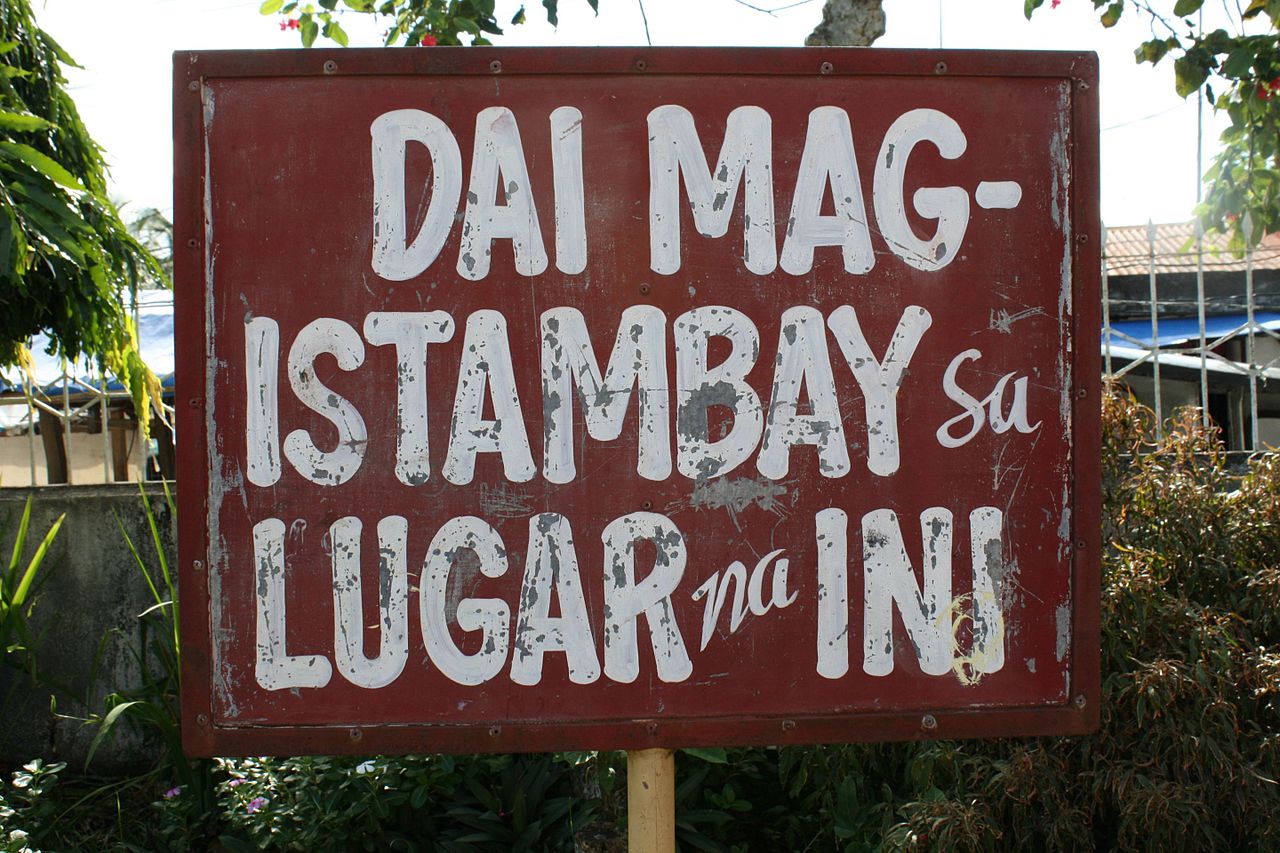


Classification and major varieties
Scholars treat Bikol as a cluster rather than a single homogeneous language. Major varieties commonly distinguished in surveys include Central Bicol (often called Bicol-Naga), Rinconada Bikol, Albay Bikol, and a number of northern and island varieties. Central Bicol is widely used as a regional lingua franca in parts of Camarines Sur and surrounding areas; other varieties retain distinct phonology, vocabulary and syntactic preferences. Island varieties are spoken on Catanduanes, Burias Island and parts of Masbate province. For regional details around Albay and neighboring areas see local descriptions.
Phonology and grammar
Bikol varieties exhibit features typical of Philippine languages: a voice or focus system centered on the verb, an inventory of affixes marking aspect, mood and various syntactic roles, and processes such as reduplication for aspectual or derivational purposes. Pronoun sets, linkers and particles play an important role in clause structure. Phonological differences between varieties include vowel quality, stress patterns and the treatment of consonant clusters; some dialects show conservative features while others display innovations linked to contact with neighboring languages.
History and external influences
Bikol developed within the Philippine linguistic area and has been shaped by long-term contact. Spanish colonization introduced many loanwords, especially in religion, governance and everyday vocabulary; the legacy of this contact is visible in place names and in a layer of vocabulary that speakers recognize as of Iberian origin (Spanish influence). Subsequent and ongoing contact with Tagalog, Cebuano and other Visayan languages has produced additional borrowing and patterns of bilingualism. Comparative discussions sometimes highlight connections between Bikol and nearby Visayan speech varieties, a relationship sometimes referred to informally as "Bisacol" (Visayan languages).
Writing, literature and media
Bikol varieties are written with the Latin alphabet. Orthographies have been developed to differing degrees for education, print media and religious texts; local authors produce literature, poetry and journalism in various Bikol varieties. Radio and community media continue to play an important role in maintaining local registers and idioms.
Sociolinguistic situation and vitality
Usage patterns vary by locality. In many areas Bikol varieties remain the primary language of home and community life, while Tagalog (Filipino) and English are important in education, formal domains and national media. Younger speakers often code-switch among Bikol, Tagalog and English, and levels of intergenerational transmission vary by community. Local language programs, cultural groups and academic researchers work to document dialectal diversity and promote literacy and media in Bikol to support its continued use.
Further resources
For regional context consult introductions to the Bicol region and to the island of Luzon, and for national language policy and resources see materials on the Philippines. Comparative and descriptive studies are available through linguistic centers and university departments; general overviews and specialized studies can provide maps, dialect listings and bibliographies for further reading.
- Overview and classification: Bikol languages
- Regional context: Bicol region
- Geographic setting: Luzon
- National context: Philippines
- Historical contact: Spanish influence
- Comparative links: Visayan languages
- Provincial notes: Albay
Related articles
Author
AlegsaOnline.com Bikol languages Leandro Alegsa
URL: https://en.alegsaonline.com/art/11414