
Andrew Card
Andrew Card is an American political aide, lobbyist and former Cabinet member who served as U.S. Secretary of Transportation and as White House Chief of Staff in the George W. Bush administration.
Andrew Hill Card Jr. (born May 10, 1947) is an American political adviser and lobbyist who served in senior roles in two U.S. presidential administrations. He is best known for his tenure as White House Chief of Staff to President George W. Bush and for earlier service as U.S. Secretary of Transportation under President George H. W. Bush. Card's career spans government service, political organizing, and private-sector consulting.
Image gallery
6 Images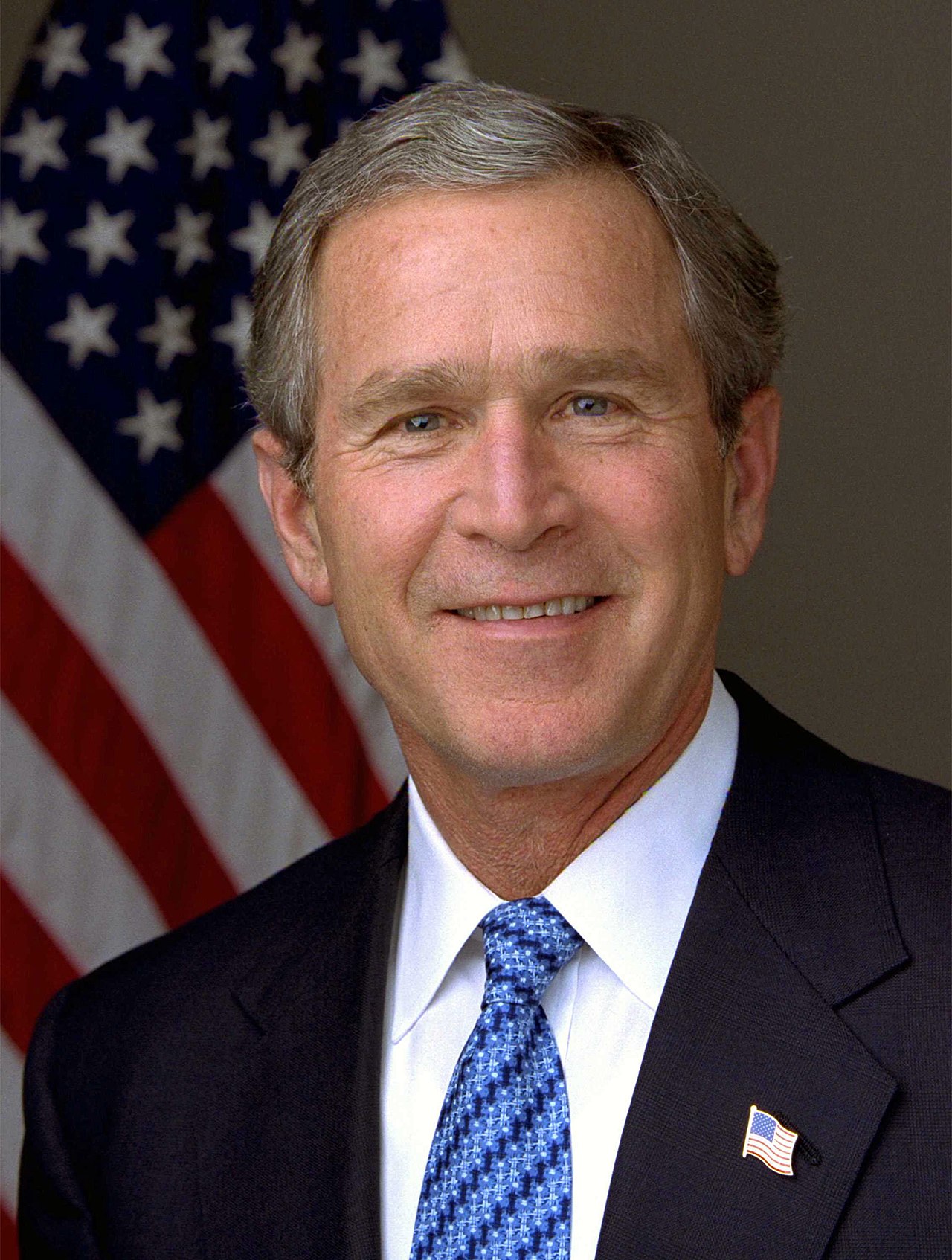


Roles and responsibilities
As White House Chief of Staff, Card managed the president's daily schedule, coordinated policy development among agencies and served as a principal gatekeeper for access to the president. In his Cabinet-level role as Secretary of Transportation he oversaw federal transportation policy and agency operations. He has also been described as a senior political operative, participating in strategy and communications teams during major policy debates and international crises.
Career development and background
Card entered public life through Republican political networks and rose to prominence as an adviser and organizer. Over several decades he held a mix of government posts, campaign roles and private-sector positions. His name appears in accounts of administration communications strategy; for example, he led or participated in task forces formed to coordinate messaging around specific national security issues, including the administration's Iraq policy. For a concise overview of his public service, see his official biography and contemporary news coverage.
Notable events and transitions
Card announced his resignation as White House Chief of Staff on March 28, 2006, effective April 14, 2006. During and after his government service he has been involved in lobbying, consulting and educational or nonprofit activities. His role in administration strategy and communications has been discussed in policy analyses and journalistic accounts; researchers and readers can consult archived releases and commentary through the White House and media resources such as press materials and public records databases.
Legacy and distinctions
- Served in senior positions across two presidential administrations, combining Cabinet service with the White House chief of staff role.
- Associated with administration-level coordination of policy messaging during major national security debates.
- After leaving government, continued to influence public policy and politics through advisory, lobbying and academic engagements; see further reading at selected resources.
Card's career illustrates the revolving roles between public office and private-sector influence common among senior political operatives in contemporary American politics. His service is part of broader discussions about executive management, communications strategy and the relationship between government experience and later private advocacy.
Related articles
Author
AlegsaOnline.com Andrew Card Leandro Alegsa
URL: https://en.alegsaonline.com/art/114106
Sources
- newsweek.com : "Karl Rove's Iraq War Role"
- nytimes.com : "AFTER THE STORM - Transportation Secretary Andrew Card - Unlikely Relief Leader"
- nytimes.com : "Bush Announces Resignation of Chief of Staff"