
Anders Behring Breivik: 2011 Norway attacks, background and aftermath
Profile of Anders Behring Breivik, perpetrator of the 22 July 2011 Norway attacks: overview of the events, motives and ideology, legal outcome, and the attacks' continuing impact on Norway.
Overview
Anders Behring Breivik (born 13 February 1979) is the Norwegian man who carried out the 22 July 2011 attacks that deeply affected Norway. He detonated an explosive device in the government quarter of Oslo and afterwards travelled to an island where he shot people at a summer camp. The assaults are commonly referred to as the 2011 Norway attacks. He has been widely described and prosecuted as a terrorist for actions intended to destabilise society and to instil fear.
Image gallery
6 Images


The attacks
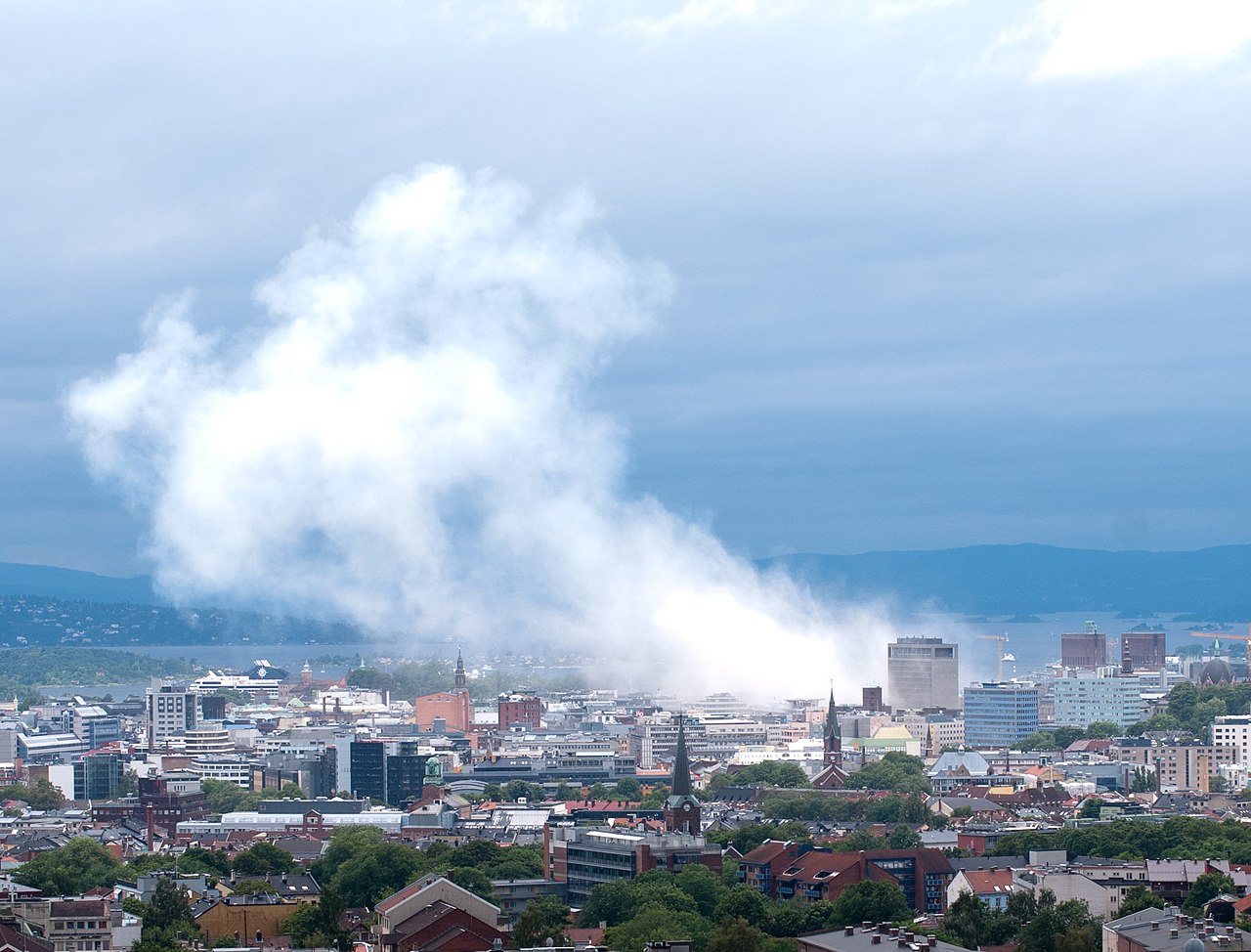
On 22 July 2011 a van bomb exploded near ministries and offices in central Oslo, damaging buildings and killing several people, including employees in government facilities described as the government buildings in Oslo. Hours later the attacker travelled by boat to Utøya island, where delegates and youth members were gathered at the Workers' Youth League camp. There he opened fire on participants, most of whom were teenagers. The two coordinated actions together killed and injured many, and they were carried out with the intent to maximise casualties and symbolic impact.
Legal proceedings and sentence
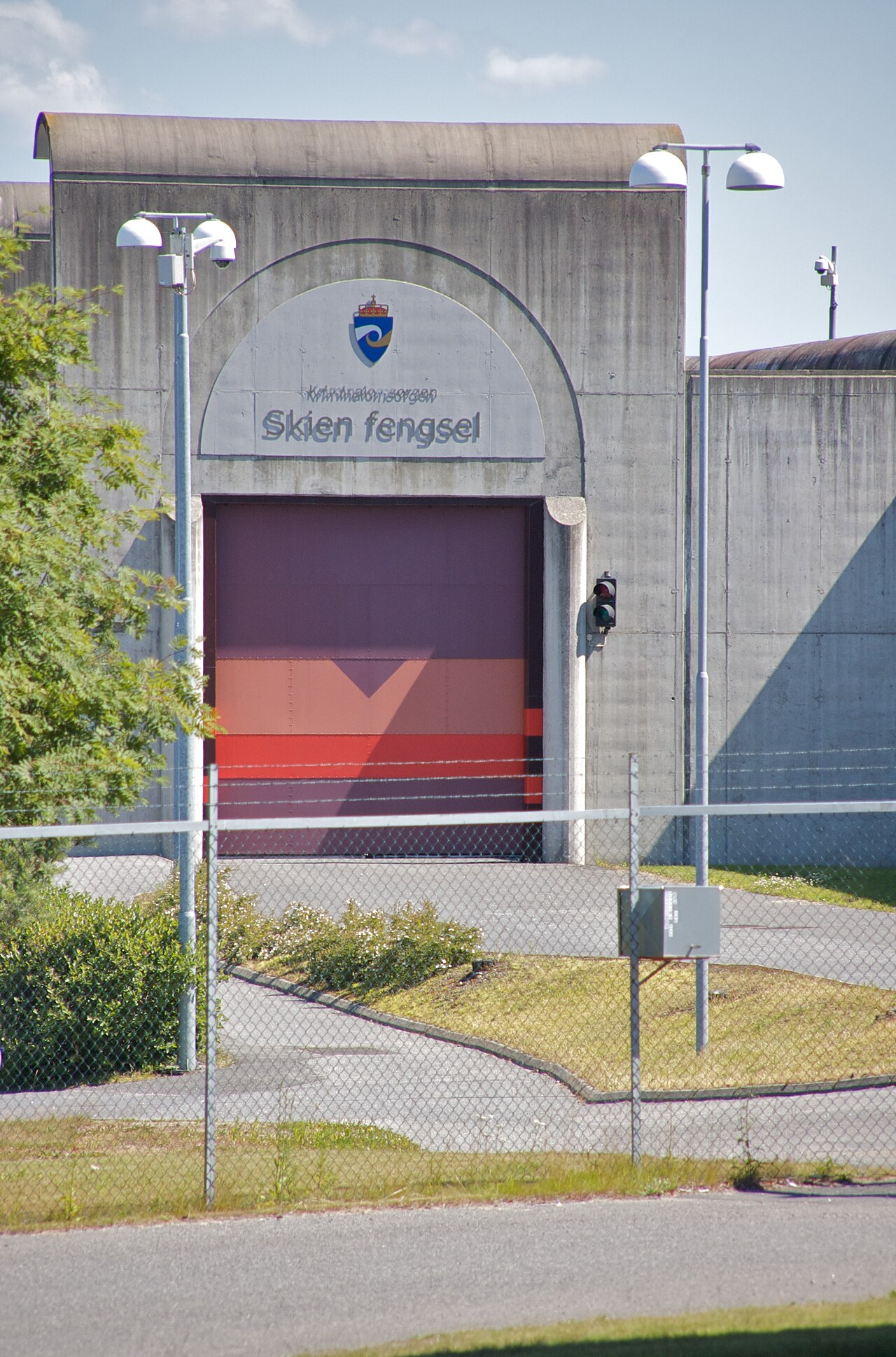
Breivik was arrested on the island and subsequently charged with multiple counts including terrorism. He underwent psychiatric evaluations that produced conflicting opinions; the court eventually found him criminally responsible. In a criminal trial he was convicted and received the maximum custodial measure under Norwegian law: a form of preventive detention designed for dangerous offenders, subject to periodic review and possible extension. He has pursued litigation over aspects of his treatment in custody, winning a partial ruling in a lower court before higher courts overturned that decision, and he has taken parts of his complaints to the European Court of Human Rights for review. A notable domestic ruling addressed conditions of confinement and solitary measures, which were the subject of appeals and public debate.
Background and motives
Investigations into Breivik's life highlighted a mix of personal grievances, political radicalisation and online activity. He authored a lengthy manifesto and posted extensively on far‑right and anti‑immigration platforms. Analyses point to a process of self‑recruited radicalisation that drew on extremist networks and discussion forums; observers have cited his participation in internet forums and online gaming communities as parts of his social environment. Commentators and scholars have explored how experiences of rejection, perceived shame and grievance may feed into violent political extremism, while stressing that such explanations do not excuse criminal acts.
Impact, memory and public debate
The attacks prompted national mourning and a wide range of responses: changes in emergency preparedness, law enforcement reviews, educational programmes on extremism, and commemorations for victims. Public discussion has also included how media and society should treat the perpetrator's name and ideology, with some advocating limited publicity to deny notoriety. Scholars and officials have compared the radicalisation process and consequences to other historical mass crimes when studying prevention and responsibility; such comparisons are handled cautiously when invoked alongside references to historic atrocities and debates about mental illness and criminal responsibility, including mentions of conditions such as schizophrenia in clinical contexts.
Notable facts and continuing issues
- Timeline: bombing in Oslo followed by the island shooting on 22 July 2011; rapid arrest of the suspect.
- Psychiatric assessment: experts produced differing diagnoses; the criminal court judged him legally sane and accountable.
- Sentence and detention: convicted and placed under Norway's preventive detention system with the possibility of extension for public safety.
- Legal challenges: litigation over prison conditions and human rights complaints progressed through Norwegian courts and reached European institutions; one lower‑court ruling partly favoured Breivik before being overturned on appeal.
The case remains a central reference point in Norway for discussions about violent radicalisation, how democratic societies respond to politically motivated violence, and how victims and communities preserve memory while seeking prevention. For further reading and official documents, see national reports and archives that record judicial findings and policy responses to the events and their aftermath.
See related court rulings | Legal characterisation | Detailed timeline | Site of the Oslo attack | Camp at Utøya
Online activity and forums | Psychological analysis | European Court submissions | Comparative studies | Clinical perspectives
Related articles
Author
AlegsaOnline.com Anders Behring Breivik: 2011 Norway attacks, background and aftermath Leandro Alegsa
URL: https://en.alegsaonline.com/art/114033
Sources
- bbc.co.uk : "Norway: Anders Behring Breivik claims 'two more cells'"
- abcnews.go.com : "A Week Later, Norway Mourns 77 Victims of Massacre"
- nrk.no : "Klager staten inn til Menneskerettighetsdomstolen"
- dagsavisen.no : "Såret som ikke skal gro"
- nrk.no : "– Breivik vil sende et signal til venner og fiender"
- dagen.no : "Breivik mener Jesus er "patetisk" [Breivik thinks Jesus is "pathetic"]"
- vl.no : "Breivik: Jeg er ikke kristen (Breivik: I am not a Christian)"
- telegraph.co.uk : "Norway shooting: Anders Behring Breivik's CV and biography"
- theguardian.com : "Anders Behring Breivik delivers final tirade to bemused court"