
Patna: Historical Capital and Contemporary City of Bihar
Patna is the capital of Bihar, India — an ancient city on the Ganges with a continuous urban history, diverse culture, notable education and historical sites, and a modern regional economy.
Overview
Patna is the capital city of India's eastern state of Bihar. It stands on the southern bank of the Ganges River and has been an important urban centre for more than two millennia. The modern city is home to a population in the millions; it recorded roughly 1.7 million residents in the 2001 census. Patna combines a long recorded past as the ancient city of Pataliputra with the institutions and services of a contemporary regional capital.
Image gallery
10 Images
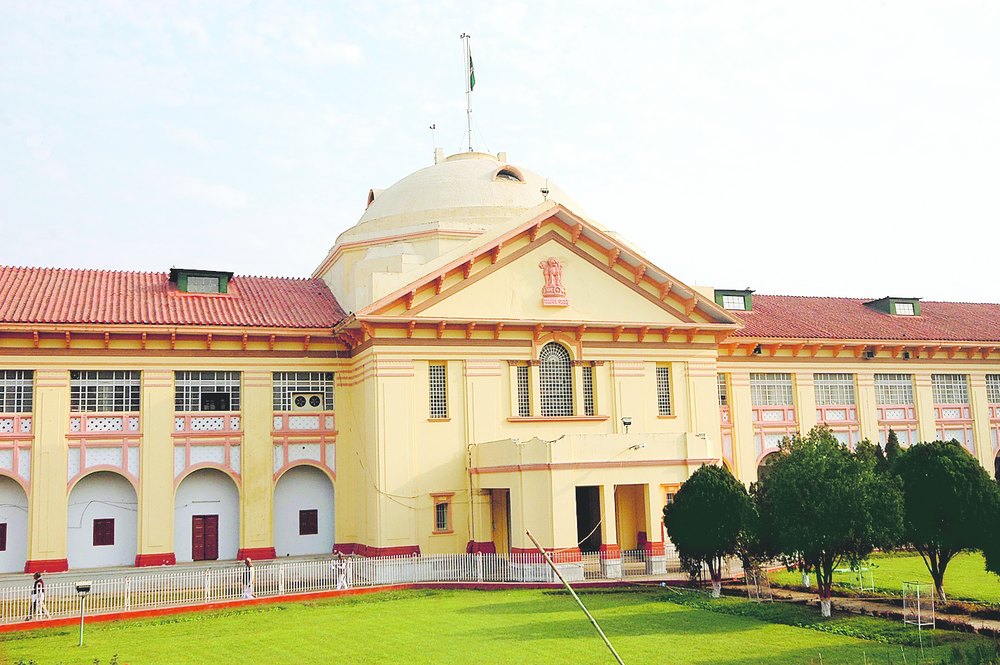


History and development
Patna's long history begins with the ancient settlement Pataligrama, later known as Pataliputra. From the centuries around the 6th–3rd centuries BCE onward it became the political and cultural heart of Magadha and later major Indian empires. Pataliputra is associated with dynasties such as the Mauryas and Guptas and with rulers traditionally named in connection with large-scale statecraft and patronage of learning.
Throughout antiquity and the medieval era the region around Patna was a crossroads for religious and intellectual exchange. Tradition holds that Gautama Buddha visited the area, and the region played a role in the spread of Buddhism and other Indian religious traditions. In later centuries, centres of higher learning in Bihar drew students and scholars from across South and Central Asia.
Culture, language and religion
Patna's population is culturally diverse. Hinduism is the majority religion, but there are significant Muslim, Sikh and Christian communities as well. Languages commonly spoken include Hindi alongside regional languages such as Bhojpuri and Maithili; Urdu is also used by many residents and in cultural life (Urdu).
Cultural life blends classical and folk traditions: festivals, religious processions, regional cuisine and performing arts are visible throughout the year. The city's marketplaces, riverside ghats and neighbourhoods preserve older patterns of trade and social life even as new commercial districts grow.
Economy, education and transport
Patna functions as Bihar's administrative and commercial hub. Its economy includes government services, small and medium industry, agriculture-related trade, education and retail. The city is an inland river port and a transport junction with major railway connections and an airport serving the wider region. Patna is also a centre for higher education in Bihar, with longstanding universities, colleges and professional institutions that attract students from the state and beyond.
Landmarks and notable sites
Patna contains several places of historical, religious and civic interest. Important sites and attractions include:
- Takht Sri Patna Sahib — an important Sikh pilgrimage site associated with the birthplace of Guru Gobind Singh.
- Golghar — a large, historic granary built in the colonial period, offering views of the city and river.
- Patna Museum and archaeological remains that display regional art, inscriptions and artifacts.
- Historic ghats on the Ganges, public gardens, and civic spaces such as Gandhi Maidan.
Distinctive facts and modern role
Patna is often cited as one of the world's continuously inhabited cities, with layers of history from ancient capitals to colonial and post‑independence growth. Its role as a centre of regional administration, education and transport makes it a key city in eastern India. Visitors and residents encounter an urban landscape where ancient monuments, religious diversity and contemporary civic life exist side by side.
For further reading on the city's history, culture and institutions, consult regional histories and current government and academic sources. A mix of archaeological evidence, literary records and local traditions informs the story of Patna's long urban life.
Related articles
Author
AlegsaOnline.com Patna: Historical Capital and Contemporary City of Bihar Leandro Alegsa
URL: https://en.alegsaonline.com/art/75017