
Ambrose Burnside: Union General, Governor, and Namesake of 'sideburns'
Ambrose E. Burnside (1824–1881), Union general in the American Civil War, later governor and U.S. senator from Rhode Island. Remembered for major campaigns, mixed command record, and his distinctive facial hair.
Ambrose Everett Burnside was an American military officer, businessman and politician whose career spanned the mid‑19th century. He rose to national prominence as a commander in the American Civil War, later serving as governor of Rhode Island and as a U.S. senator. In civilian life he was active in railroads and industry. Burnside's memorable facial styling gave rise to the term commonly known today as "sideburns." soldier, railroad executive and politician, he left a mixed legacy of early successes, serious defeats and public service.
Image gallery
10 Images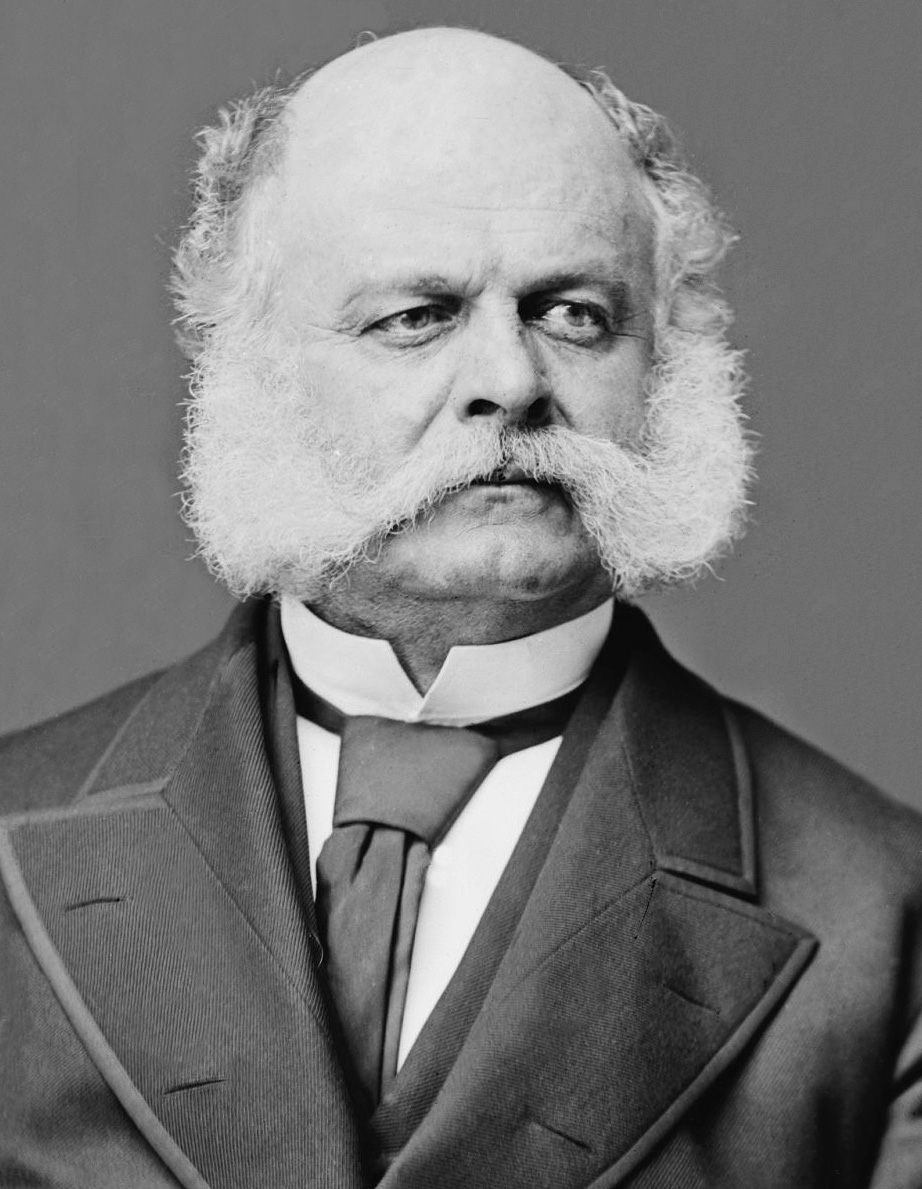


Military career and major commands
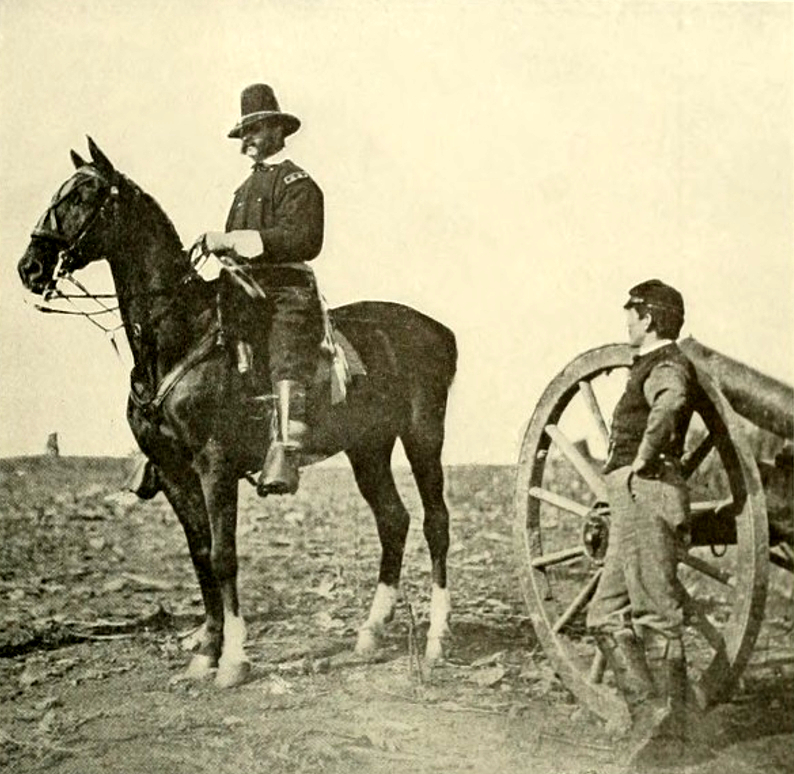
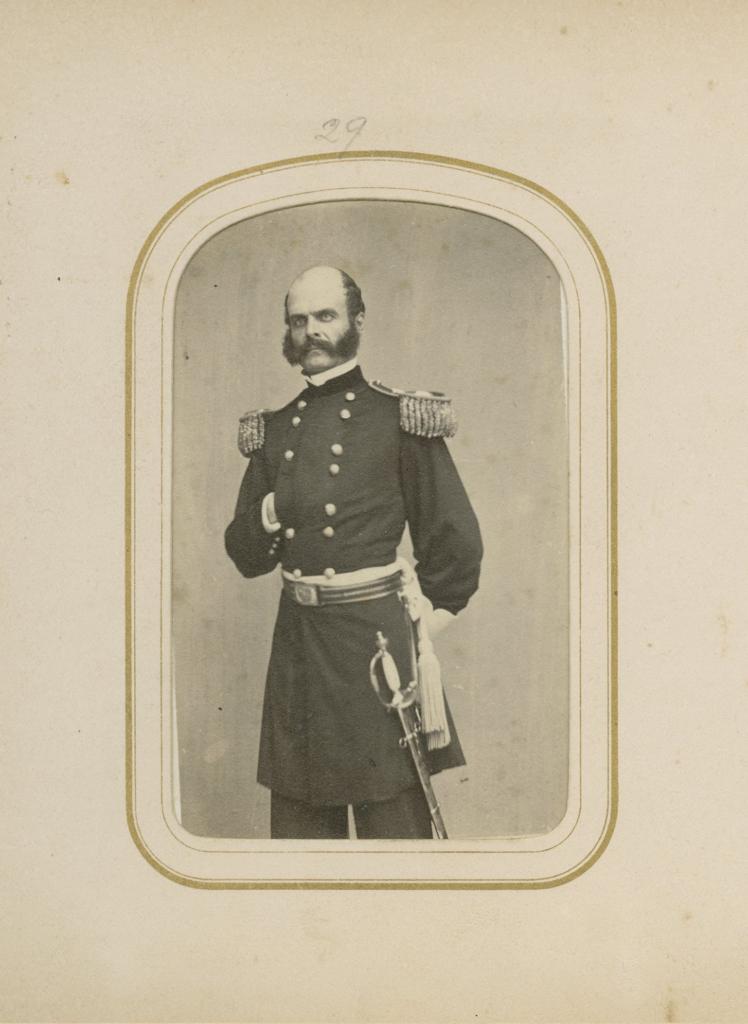
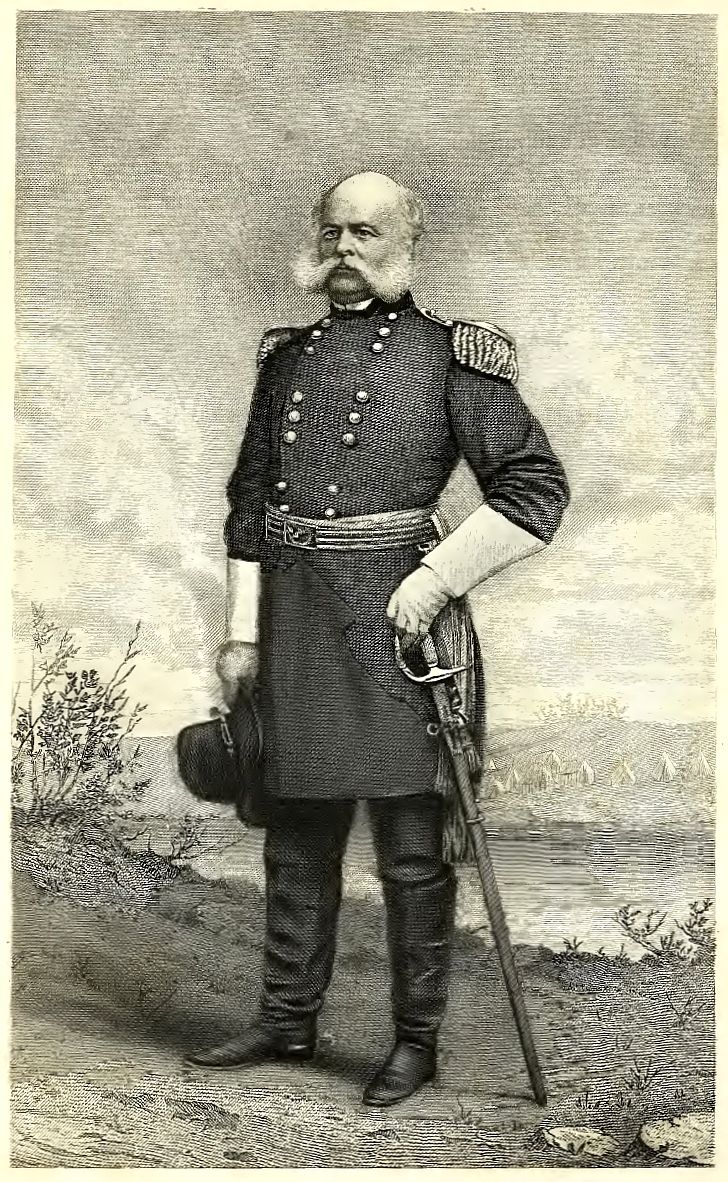
Burnside served as a senior officer in the Union Army and held several important posts. He is most closely associated with command of the IX Corps and the Department of the Ohio, and he led the Army of the Potomac for a brief period. His record includes notable operations in the coastal and mountain regions of the Confederacy as well as large, conventional battles on the Virginia front. Among his major responsibilities were logistical coordination, riverine and amphibious operations, and leading large infantry formations in set‑piece engagements.
Notable campaigns and battles
- Successful amphibious and coastal operations in North Carolina, which helped secure strategic ports and supply lines.
- Campaigns and actions in East Tennessee, where Union forces sought to hold important rail and communication routes.
- Command at the Battle of Fredericksburg, a large and costly defeat for the Union that damaged his reputation.
- The assault commonly known as the Battle of the Crater, another episode that brought severe criticism of planning and execution under his command.
These episodes illustrate the range of Burnside's wartime experience: he achieved important regional victories but also presided over disastrous frontal assaults and controversial decisions. His short tenure leading the Army of the Potomac ended after heavy Union losses, and he was subsequently reassigned to other commands.
Political and civilian life
After the war, Burnside returned to Rhode Island public life. He was elected governor and later served in the U.S. Senate, where he participated in Reconstruction‑era debates and veterans' affairs. Before and between public offices he worked in the railroad and manufacturing sectors, applying organizational experience gained in both civilian and military settings. His later years combined civic duty with business interests.
Legacy and reputation
Burnside remains a figure of mixed historical judgment. He is praised for energy, personal courage and organizational abilities in some contexts, while criticized for tactical rigidity and episodes of poor judgment in others. His name entered everyday English as the origin of the word "sideburns," a playful reversal of his surname that endures in popular culture. Historians continue to debate his strengths and failures, viewing him as representative of the complexities of Civil War command and postwar civic leadership.
For further reading and primary documents, consult specialized biographies and collections of Civil War records.
Related articles
Author
AlegsaOnline.com Ambrose Burnside: Union General, Governor, and Namesake of 'sideburns' Leandro Alegsa
URL: https://en.alegsaonline.com/art/113964
Sources
- history.com : "Ambrose Burnside"
- civilwar.org : "Ambrose E. Burnside"
- biography.com : "Ambrose Burnside Biography"