
Battle of Fredericksburg (December 1862)
A major American Civil War engagement in Fredericksburg, Virginia (11–15 Dec 1862) noted for the large scale of forces, costly Union frontal assaults, and the first major opposed river crossing in U.S. history.
The Battle of Fredericksburg took place from December 11 to December 15, 1862, at Fredericksburg, Virginia. It was one of the largest and most lopsided encounters of the American Civil War, involving nearly 200,000 men—more than at any other single Civil War engagement. Confederate forces under General Robert E. Lee occupied strong defensive positions on high ground while the Army of the Potomac, commanded by Major General Ambrose E. Burnside, attempted to cross the Rappahannock River and press a decisive attack. Contemporary observers and later historians characterize Fredericksburg as a clear Confederate victory that exposed flaws in Union planning and command.
Image gallery
10 Images




Context and commanders
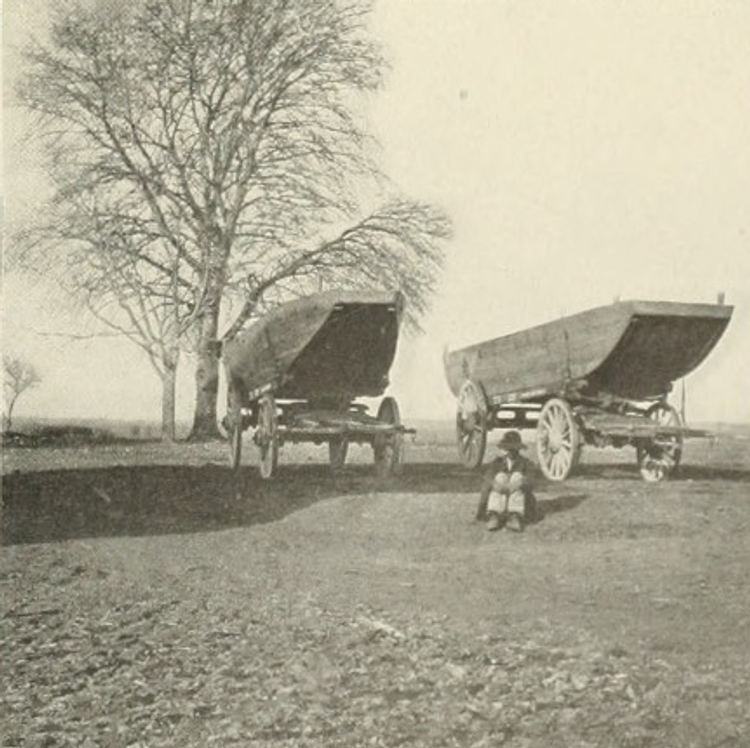
After setbacks earlier in 1862 and a change of leadership for the Army of the Potomac, Burnside launched an operation to move on Richmond via Fredericksburg. Lee concentrated the Army of Northern Virginia to block the advance. Delays in receiving and laying pontoon bridges at Falmouth slowed Union crossings and allowed Confederate entrenchment on the heights overlooking the town. The opposing commanders and their principal formations shaped the battle’s conduct and outcome; the clash highlighted how terrain, preparation, and defensive works could magnify the advantage of interior lines. For more detail on troop dispositions and orders of battle, see troop summaries.
Battle and tactics
The core military action centered on Union attempts to move across the Rappahannock and dislodge Confederates from commanding heights such as Marye’s Heights and Prospect Hill. The Union made repeated frontal assaults against well-prepared rifle pits and stone walls, most famously the assault against the Confederate line at Marye’s Heights, which inflicted severe Union casualties and achieved little ground. Fredericksburg is also remembered as the first major opposed river crossing in United States military history, a complex operation complicated by weather, smoke, and artillery bombardments. Contemporary campaign assessments and maps provide additional tactical analysis: campaign overview and detailed maps.
Aftermath and significance
The battle had important military and political consequences. The Union suffered heavy losses and was unable to break Lee’s line; public outcry and loss of confidence led to a change in Union command later in 1863. For the Confederacy, the victory reinforced Lee’s reputation and secured central Virginia for the winter. The engagement also influenced future Union planning, emphasizing the need for coordinated maneuver rather than unsupported frontal attacks. Preservation efforts have maintained portions of the Fredericksburg battlefield as an educational and commemorative landscape; park resources and archives record eyewitness accounts and artifacts: park resources and archival collections.
- Dates: December 11–15, 1862; major fighting concentrated on December 13.
- Scale: nearly 200,000 soldiers engaged—one of the largest concentrations in the war.
- Tactics: notable for Confederate entrenchment on heights and costly Union frontal assaults.
- Legacy: a decisive Confederate victory, important for Civil War military studies and battlefield preservation.
Questions and answers
Q: When did the Battle of Fredericksburg occur?
A: The Battle of Fredericksburg took place from December 11 to December 15, 1862.
Q: Where did the Battle of Fredericksburg take place?
A: The Battle of Fredericksburg was fought at Fredericksburg, Virginia.
Q: How many men were involved in the Battle of Fredericksburg?
A: Almost 200,000 men were engaged in the Battle of Fredericksburg, making it the Civil War battle with the most men involved.
Q: What was significant about the Battle of Fredericksburg?
A: The Battle of Fredericksburg involved the first major opposed river crossing in the history of the United States.
Q: Which side won the Battle of Fredericksburg?
A: The Confederate Army under General Robert E. Lee won the Battle of Fredericksburg.
Q: Who led the Union Army during the Battle of Fredericksburg?
A: Major General Ambrose Burnside led the Union Army during the Battle of Fredericksburg.
Q: How did the Battle of Fredericksburg impact the Civil War?
A: The Battle of Fredericksburg was a major Confederate victory that boosted morale and increased confidence in General Lee's army, while also causing frustration and political backlash for the Union Army.
Related articles
Author
AlegsaOnline.com Battle of Fredericksburg (December 1862) Leandro Alegsa
URL: https://en.alegsaonline.com/art/9472
Sources
- totallyhistory.com : "Battle of Fredericksburg"
- historynet.com : "Battle Of Fredericksburg"
- live.washingtonpost.com : "Why Civil War Gen. George McClellan wasn't actually a failure"
- civilwar.org : "George B. McClellan"
- sonofthesouth.net : "Battle of Fredericksburg"
- masslive.com : "November 1862 election slams Lincoln policies, McClellan sacked and Springfield has building boom"
- civilwar.org : "Fredericksburg"
- encyclopediavirginia.org : "Battle of Fredericksburg"
- history.com : "Battle of Fredericksburg"
- nps.gov : "Battle of Fredericksburg History"
- nps.gov : "Battle of Fredericksburg History: Prospect Hill"
- nps.gov : "Battle of Fredericksburg History: Marye's Heights"
- civilwar.org : "Ambrose E. Burnside"