
Aedes aegypti — the yellow fever mosquito: biology, distribution, and public health
Aedes aegypti is a small, primarily urban mosquito that transmits dengue, chikungunya, yellow fever and other viruses. Covers identification, life cycle, habitat, disease risk and control measures.
Aedes aegypti, commonly called the yellow fever mosquito, is a small, day‑biting species notable for its role in transmitting several human viral diseases. It is an efficient vector of dengue, chikungunya, yellow fever and a range of other viruses. Because it thrives in close association with people, Aedes aegypti has major public health importance in tropical and subtropical urban and peri‑urban areas.
Image gallery
6 Images



Identification and basic biology
Aedes aegypti is relatively small, with adults only a few millimetres long. Adults show contrasting white and dark scale patterns on the legs and body. The dorsal surface of the thorax bears a characteristic, sometimes called lyre‑shaped pattern; the central body segment that supports wings and legs is the thorax. Females require blood meals to develop eggs, while males feed on nectar. Females preferentially bite humans and often take multiple small blood meals during a single gonotrophic cycle, a behaviour that increases transmission potential.
Life cycle and behaviour
The life cycle consists of four stages: egg, larva, pupa and adult. Eggs are laid on damp surfaces at the edge of standing water and can survive periods of dryness for weeks to months, hatching once submerged. Larvae and pupae develop in stagnant water in natural or artificial containers. Development speed is temperature dependent. Adults are primarily active during daylight hours, often biting in the early morning and late afternoon.
Habitat, origin and spread
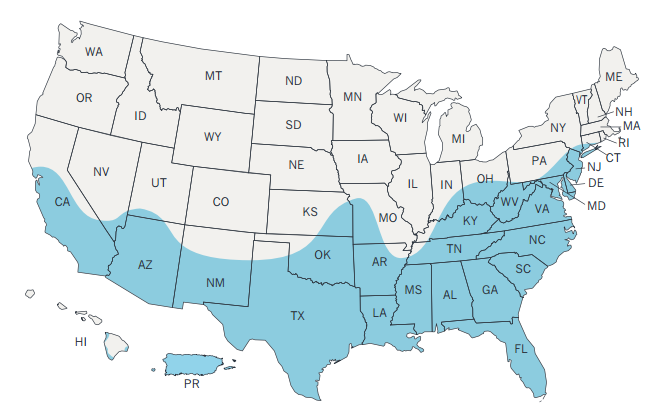
Originally associated with Africa, Aedes aegypti has spread globally through human movement and trade, establishing where suitable climate and breeding sites exist. It favours urban environments where artificial containers provide breeding habitats. Common breeding sites include:
- discarded tyres and containers
- water storage containers, cisterns and barrels
- flower pots, gutters and bird baths
- small collections of rainwater around homes and businesses
Public health significance and disease transmission
This species is a principal vector for several arthropod‑borne viruses (arboviruses). Transmission requires an infected person or animal, a competent mosquito to acquire the virus during a blood meal, viral replication within the mosquito, and subsequent biting of susceptible people. Outbreaks of dengue, chikungunya and yellow fever have been linked to increased Aedes aegypti abundance and intensified human exposure.
Control, prevention and surveillance
Integrated control combines environmental management, chemical control, biological methods and community participation. Core measures include:
- source reduction: removing or covering containers that hold water
- targeted larviciding or adulticiding when appropriate
- community education to reduce peridomestic breeding sites
- novel methods: releases of insects infected with symbionts (e.g., Wolbachia), sterile male releases and genetically based strategies
- enhanced surveillance to detect changes in distribution and abundance
Research, monitoring and community roles
Because eggs can resist drying and adults live close to people, elimination is difficult. Ongoing research focuses on ecology, improved traps and diagnostics, and interventions that are sustainable and socially acceptable. Preventing disease also relies on timely surveillance, rapid outbreak response, vaccination where available (for yellow fever) and personal protection measures such as window screens, repellents and clothing that reduce bite exposure.
Summary
Aedes aegypti is an adaptable, human‑associated mosquito with global public health importance. Effective management depends on combining vector control, surveillance, community engagement and medical measures to reduce disease risk. For more technical information and practical guidance, consult entomological and public health resources linked above.
Related articles
Author
AlegsaOnline.com Aedes aegypti — the yellow fever mosquito: biology, distribution, and public health Leandro Alegsa
URL: https://en.alegsaonline.com/art/1134