
Afghan Hound
An ancient sighthound breed from Afghanistan, distinguished by a long silky coat, independent temperament, and high speed. Historically a hunter, now kept as companion, show dog, and in lure coursing.
Overview
The Afghan Hound is a distinctive large sighthound originating from the mountainous regions of Afghanistan. Renowned for its flowing, fine coat and dignified bearing, the breed combines elegance with athleticism. Bred for sight-based hunting rather than scent work, these dogs are adapted to spotting and pursuing small, fast prey across rough terrain.
Image gallery
10 Images




Physical characteristics
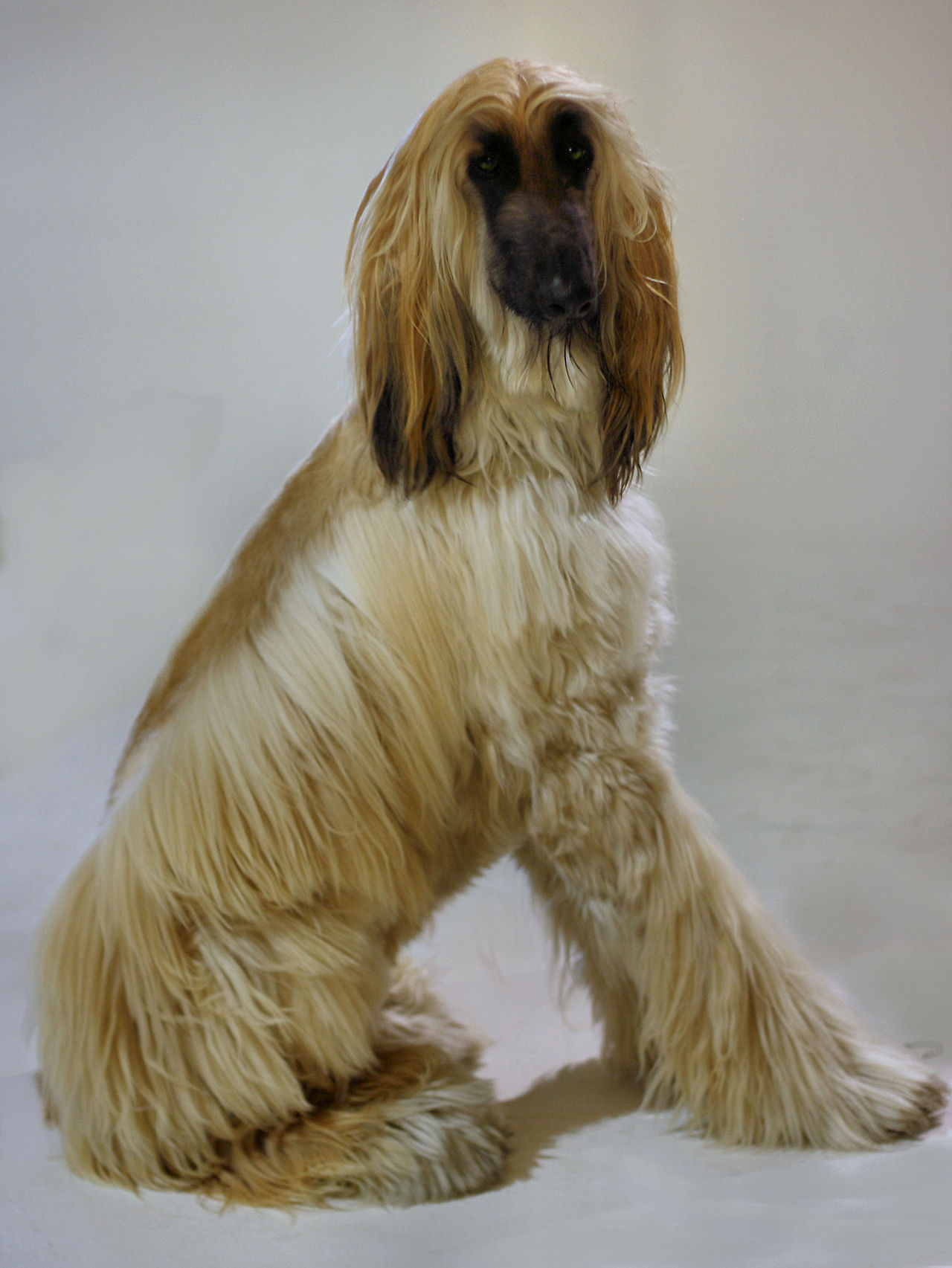
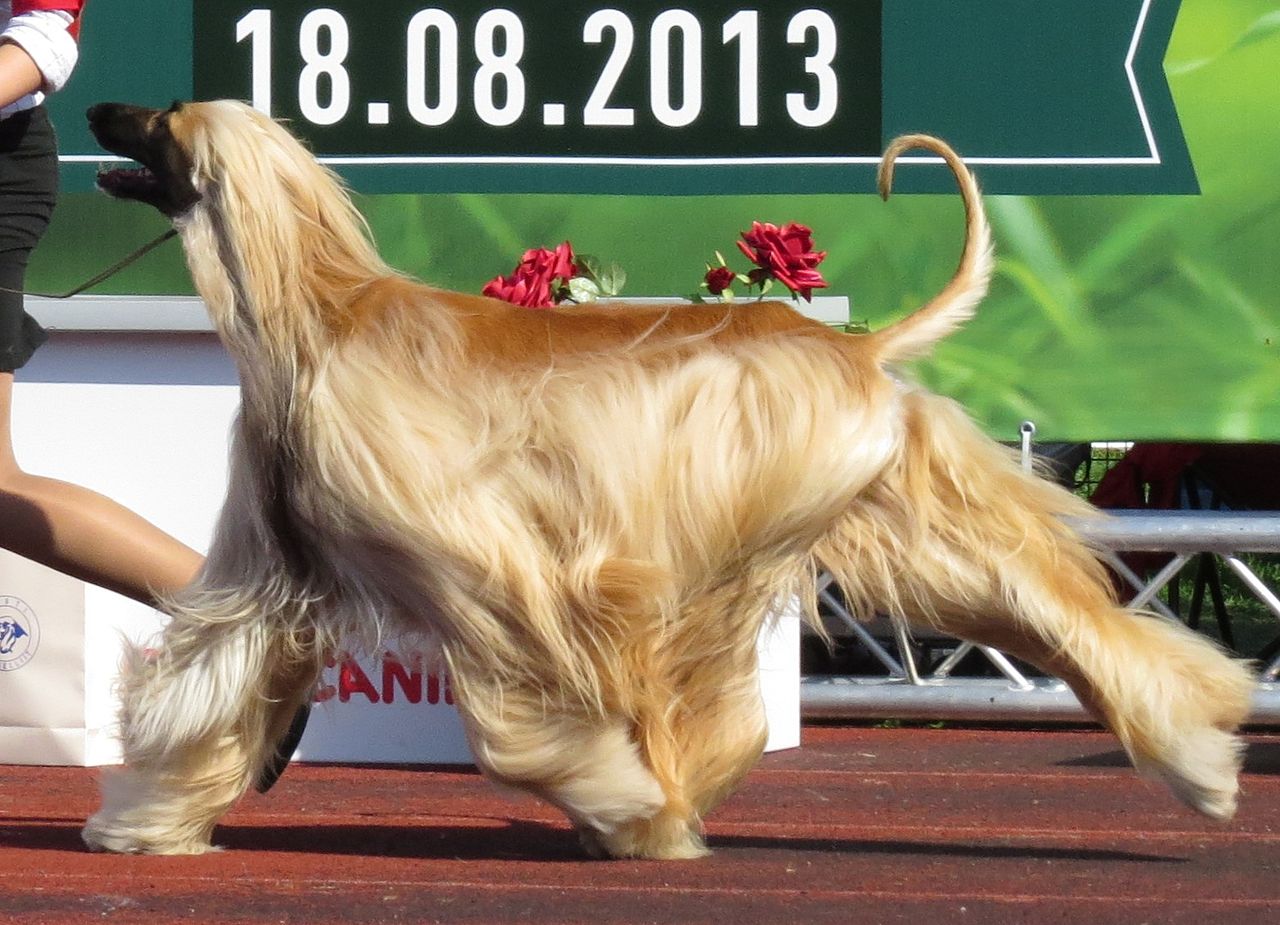
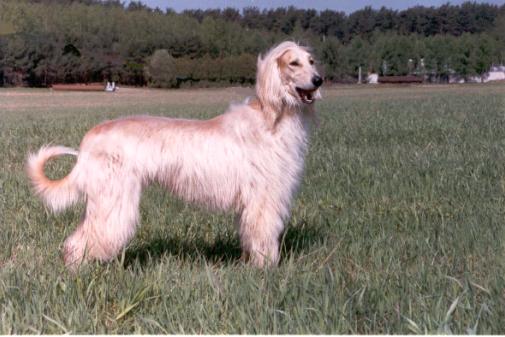
Afghan Hounds have a striking and readily identifiable appearance. Key features include:
- Coat: Long, silky hair that forms a topknot on the head and longer furnishings on the body and tail; the coat varies in texture across the body and by climate.
- Build: A lean, deep-chested frame with long legs designed for speed and endurance; a high-set, curved tail is common.
- Head and expression: A refined skull, elongated muzzle, and almond-shaped eyes that give an aloof, noble look.
- Size and lifespan: A large breed with a moderate lifespan for similar-sized dogs; individual life expectancy varies with care and genetics.
Temperament and behavior
These hounds are often described as independent, sensitive, and sometimes reserved with strangers. They can be playful and affectionate with their families but may display a strong prey drive and a streak of stubbornness. Early socialization and consistent, patient training help them adapt to companion life, but they may not be as eager to please as some working breeds.
History and development
Considered one of the oldest known domestic dog types, the Afghan Hound has roots in Central and South Asia and was historically kept by nomadic peoples and tribal hunters. Over centuries it developed traits suited to open, rugged landscapes: speed, sight-based hunting, and a coat that offered protection from harsh weather. The breed arrived in the West in the early 20th century and was standardized in kennel clubs thereafter. For more on the breed’s regional origin see Afghanistan.
Modern uses and activities
Today Afghan Hounds are kept primarily as companions and show dogs, celebrated in conformation rings for their distinctive appearance. They also participate in sports that mirror their historical function: lure coursing and straight racing, activities that test sight and sprinting ability. As members of the sighthound group, they are classified alongside other sight hunters; see a general classification at sighthounds and comparisons with breeds such as the Greyhound.
Care considerations and notable facts
Grooming is a significant commitment because of the long coat; regular brushing prevents mats and keeps the coat healthy. Exercise needs are substantial — they benefit from opportunities to run in a secure area — and their strong prey drive means they should not be let loose in unfenced spaces. Health screening for common large-breed conditions is recommended. Notable facts include a variety of regional names (for example, Kuchi Hound or Tāzī) and the breed’s reputation for combining remarkable speed with an aloof, aristocratic demeanor.
Questions and answers
Q: What is the Afghan Hound?
A: The Afghan Hound is a dog breed from Afghanistan that is a type of sighthound.
Q: What are some other names for the Afghan Hound?
A: Other names for the Afghan Hound include Kuchi Hound, Tāzī, Balkh Hound, Baluchi Hound, Barutzy Hound, Shalgar Hound, Kabul Hound, and Galanday Hound.
Q: How old is the Afghan Hound breed?
A: The Afghan Hound breed is believed to have existed for thousands of years, making it a very old dog breed.
Q: What is a sighthound?
A: A sighthound is a type of hunting dog that uses its eyes to spot and chase small animals, such as rabbits.
Q: What other breed of dog is closely related to the Afghan Hound?
A: The Afghan Hound is closely related to other sighthounds, such as the Greyhound.
Q: What is lure coursing?
A: Lure coursing is a dog sport that is similar to rabbit hunting, in which dogs chase a mechanical lure.
Q: What are some common roles for Afghan Hounds today?
A: Today, Afghan Hounds are commonly kept as pets, compete in show dog competitions, and participate in lure coursing.
Related articles
Author
AlegsaOnline.com Afghan Hound Leandro Alegsa
URL: https://en.alegsaonline.com/art/1228
Sources
- yourpurebredpuppy.com : "Afghan Hound Temperament What's Good About 'Em, What's Bad About 'Em"