
Aegean cat
A naturally occurring domestic cat from the Cyclades islands of the Aegean Sea, known for its fishing habits, sociable temperament, and role both as companion and as free-roaming populations across Greece.
The Aegean cat is a naturally developed breed closely tied to the islands of the eastern Mediterranean. Associated with the Cyclades, this cat is often admired for its energy, sociability and a notable affinity for coastal environments. The breed is known in Greek as γάτα του Αιγαίου and its historic range centers on the islands and waters of the Aegean Sea.
Image gallery
5 Images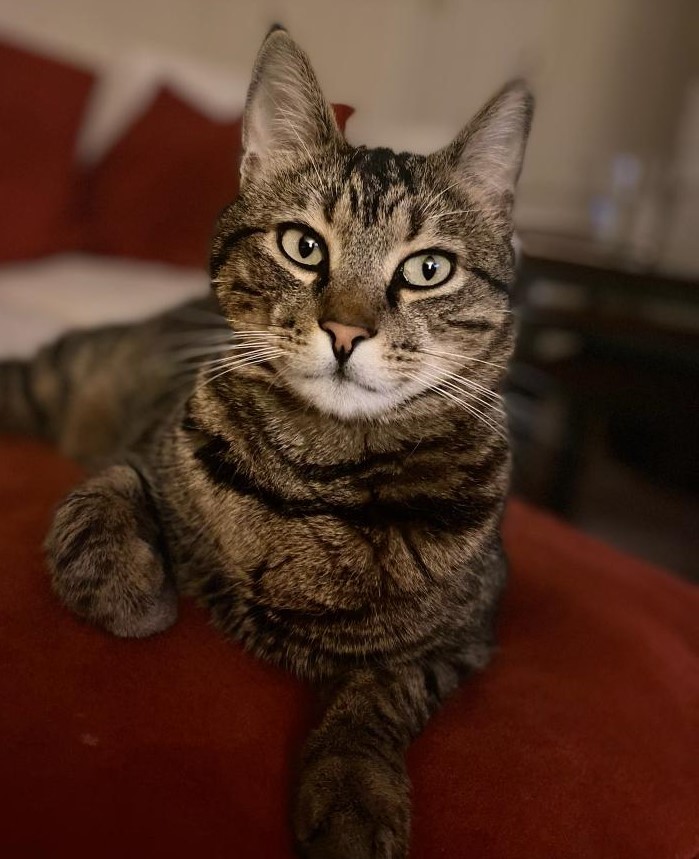


Appearance and behavior
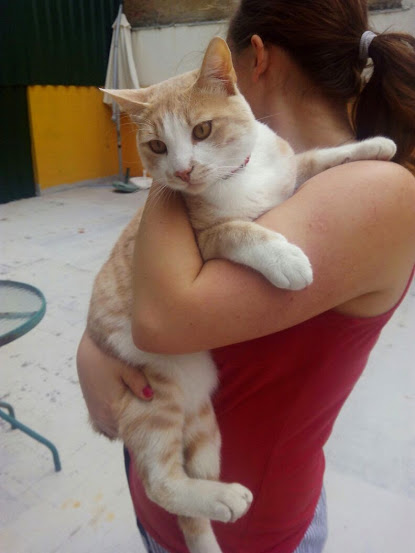
Aegean cats are usually medium-sized, muscular and well adapted to active island life. Their coat may be short or semi-long and commonly shows tabby, white-and-tabby or bicolour patterns. Behaviorally they combine strong hunting instincts with sociability: many are playful, vocal and form close bonds with people while retaining independence. Some individuals display an unusual tolerance for water and have been observed fishing from boats or shorelines.
- Robust, athletic build suited to climbing and hunting.
- Coat ranges from short to semi-long, often patterned.
- Friendly and social but capable of living as free-roaming animals.
Origins and distribution
The group developed over centuries among human settlements on the Cyclades islands and spread around the region through maritime trade and migration. Today Aegean-type cats are common across Greece, where they appear both as household companions and as feral or semi-feral populations. Their history illustrates how a landrace can arise through long-term adaptation to local ecological and cultural conditions rather than through planned breeding.
Role with people
Aegean cats often act as useful working animals in addition to companions: they control rodents in homes, farms and harbor areas and are frequently seen near fishing ports where they scavenge or are fed by fishermen. As a regional expression of domestic cats, they occupy a practical and cultural place in island life and local folklore.
While prized locally, the Aegean is typically considered a natural or landrace breed rather than the product of modern show breeding; consequently its formal recognition varies among international cat registries. Its resilience, sociability and maritime associations make the Aegean cat a distinctive element of Greece's animal and cultural landscape.
Questions and answers
Q: What is the Aegean cat?
A: The Aegean cat is a breed of cat that originated from the Cyclades islands on the Aegean Sea.
Q: How did the Aegean cat get its name?
A: The Aegean cat got its name because it first lived on the Cyclades islands on the Aegean Sea.
Q: Does the Aegean cat like water?
A: Yes, the Aegean cat likes to play in water and catch fish.
Q: Where can the Aegean cat be found today?
A: The Aegean cat can be found all over Greece and is a common domestic cat that lives in homes.
Q: Are there any feral Aegean cats in Greece?
A: Yes, there are feral Aegean cats in Greece, which means they are not tame and run wild.
Q: Do feral Aegean cats depend on humans for food?
A: Feral Aegean cats hang around fishing ports begging for food.
Q: What makes the Aegean cat unique?
A: The Aegean cat is probably the only cat that originated from Greece.
Tags
Related articles
Author
AlegsaOnline.com Aegean cat Leandro Alegsa
URL: https://en.alegsaonline.com/art/1138
Sources
- animal.discovery.com : Aegean