
Adly Mansour — Egyptian judge and interim president (2013–2014)
Adly Mansour is an Egyptian jurist who led the Supreme Constitutional Court and served as interim President after the 2013 removal of Mohamed Morsi, overseeing a transition that culminated in 2014 elections.
Overview
Adly Mahmud Mansour is an Egyptian jurist best known for his role as head of the Supreme Constitutional Court and for serving as interim President of Egypt following the removal of Mohamed Morsi in 2013. His appointment to the interim presidency occurred during a period of mass protests and military intervention; he was sworn in on 4 July 2013 to preside over a short transitional phase.
Image gallery
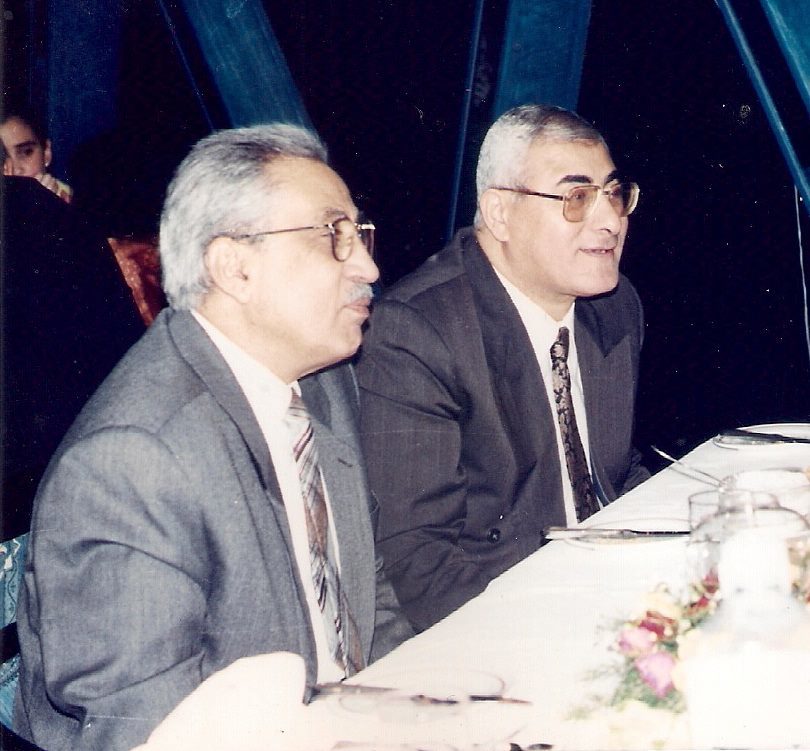
2 Images
Early life and judicial career
Mansour was born in December 1945 and trained as a lawyer at Cairo University. He pursued further postgraduate studies in economics and management science. Over decades he built a career in the Egyptian judiciary, culminating in leadership of the country's highest constitutional body. As head of the Supreme Constitutional Court he was regarded as a senior, nonpartisan legal figure, tasked with interpreting constitutional disputes and ensuring the legality of state institutions.
Interim presidency and responsibilities
In July 2013, after weeks of public protests against the government of Mohamed Morsi, the military announced Morsi's removal and a roadmap for transition. In that announcement several public figures were named alongside the decision, including representatives of secular leaders and prominent religious leaders, and political figures such as Mohamed ElBaradei. The military appointed Mansour as interim head of state; Mansour was sworn in before the Supreme Constitutional Court on 4 July 2013. He accepted the role as a caretaker charged with steering the country through constitutional and electoral arrangements leading to a new presidential vote.
Context, contestation and tasks
The change of government was highly controversial. Supporters of the ousted president argued the removal was unconstitutional and described it as a coup, while opponents cited widespread street protests and governance failures. Morsi and his backers continued to assert he remained the legitimate president. Mansour's interim government focused on restoring administrative order, revising the constitution through a nationwide process, and preparing for elections to select a successor. The interim period included legal and political steps aimed at stabilizing institutions and addressing divisions in Egyptian society.
Key actions and outcomes
- Supervision of legal and constitutional processes intended to enable a new presidential election.
- Appointment of a transitional cabinet and oversight of security and public administration during the handover.
- Facilitation of the referendum and electoral steps that led to the 2014 presidential vote and subsequent inauguration of a new president.
Legacy and later developments
Mansour's tenure as interim president lasted until the transition to an elected successor in 2014. His brief stewardship is remembered as an institutional stopgap in a deeply polarized moment of modern Egyptian politics. Perspectives on his role differ sharply: some view him as a neutral legal figure who helped restore order and constitutional processes, while others see his appointment as part of a contested interruption of an elected government. For further background on his legal career and political context, see references to his name in Arabic and profiles of Egyptian judicial institutions: Arabic profile, Egyptian context, judicial role.
Readers interested in more detailed timelines or analyses may consult contemporary reports and legal commentaries that document the decisions taken during the 2013–2014 transition and the positions of the main political actors.
Related articles
Author
AlegsaOnline.com Adly Mansour — Egyptian judge and interim president (2013–2014) Leandro Alegsa
URL: https://en.alegsaonline.com/art/113328
Sources
- shabab.ahram.org.eg : "بالتفاصيل.. هذا هو رئيس مصر المحتمل – بوابة الشباب"
- bbc.co.uk : "Profile: Interim Egyptian Presidential nominee Adly Mahmud Mansour"
- cnn.com : Coup topples Egypt's Morsy; deposed president under 'house arrest'
- huffingtonpost.com : "Adly Mansour Sworn In As Egypt's Interim President"