
Mohamed ElBaradei
Egyptian diplomat and legal scholar Mohamed ElBaradei (b. 1942) led the IAEA (1997–2009), shared the 2005 Nobel Peace Prize, and later took an active role in Egypt's post‑revolution politics.
Overview
Mohamed ElBaradei (born 17 June 1942) is an Egyptian diplomat, lawyer and international civil servant best known for leading the International Atomic Energy Agency (IAEA). He became a public figure through his work on nuclear safeguards and non‑proliferation, and in 2005 he and the IAEA received the Nobel Peace Prize for efforts to prevent nuclear energy from being used for military purposes and to promote its safe, peaceful use.
Image gallery
5 Images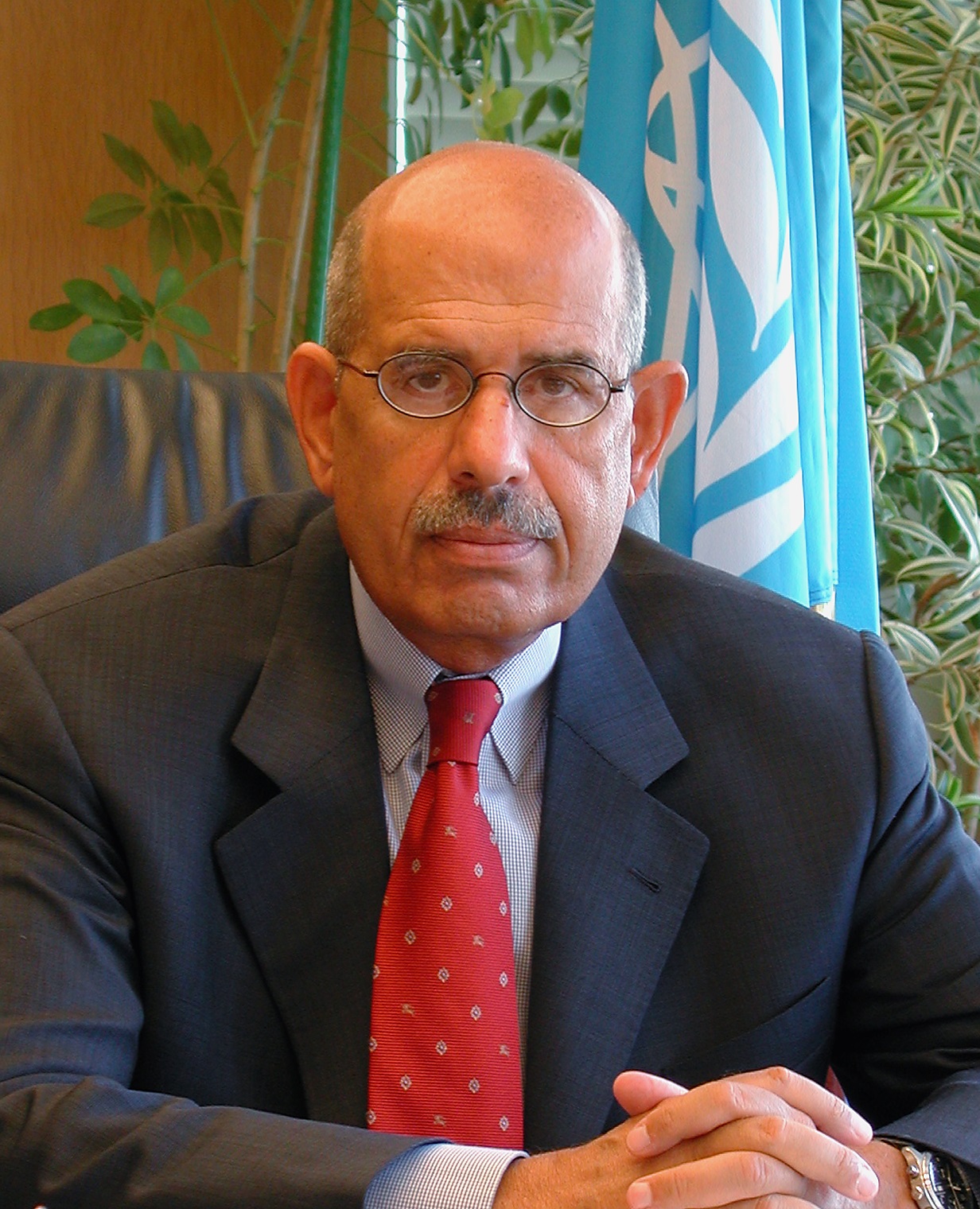


Career and role at the IAEA
ElBaradei served as Director General of the IAEA from 1997 to 2009. During his tenure the agency conducted safeguards inspections, reported on compliance with non‑proliferation obligations, and engaged in high‑profile disputes involving Iraq and Iran. His leadership emphasized technical verification, diplomatic reporting and multilateral engagement in matters of nuclear safety and security.
Politics and public life
After retiring from the IAEA, ElBaradei returned to Egypt and became active in the political debates that followed the 2011 uprising. He helped form political movements calling for reform and later established a secular political party. In 2013 he briefly served in an interim national role, resigning in protest after a violent crackdown on protesters.
Legacy and reception
ElBaradei is widely respected for advancing impartial technical verification of nuclear programs and for combining legal training with diplomatic practice. Supporters credit him with resisting politicization of inspections, while critics argue he occasionally misjudged political contexts. He remains a reference point in discussions on non‑proliferation, international inspection regimes and the role of technocratic diplomacy.
Further reading
Author
AlegsaOnline.com Mohamed ElBaradei Leandro Alegsa
URL: https://en.alegsaonline.com/art/127148