
Adolfo Suárez — Architect of Spain's Transition to Democracy
Spanish lawyer and statesman Adolfo Suárez (1932–2014) led Spain's peaceful shift from Francoist rule to parliamentary democracy as prime minister and founder of centrist parties.
Adolfo Suárez González (25 September 1932 – 23 March 2014) was a Spanish lawyer and politician who played a central role in Spain's transition from authoritarian rule to democratic government. Born in Cebreros, he rose through public administration in the final years of the Franco regime and was appointed head of government in 1976. He later became the first democratically elected prime minister in post‑Franco Spain, a status confirmed after the country's first free general election in 1977.
Image gallery
8 Images
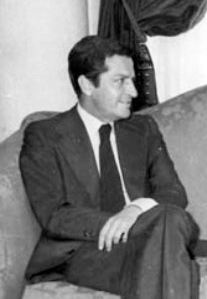
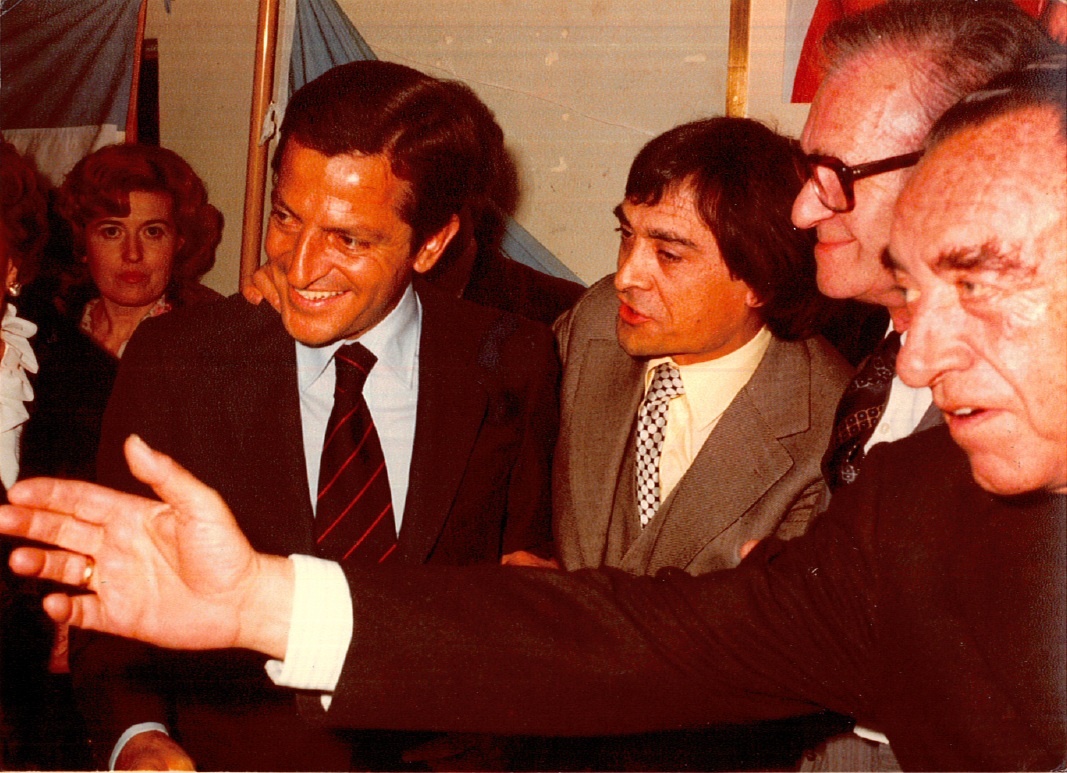


Overview of his political role
Suárez is widely remembered as the key political figure who guided Spain through a delicate and largely peaceful transition. Working with King Juan Carlos and political leaders across the spectrum, he oversaw legal and institutional changes that dismantled the structures of the previous regime while enabling new democratic institutions. His leadership combined negotiation, legal reform and pragmatic coalition‑building.
Major reforms and institutions
Among Suárez's most important achievements was the passage of the Political Reform Act of 1976, which opened the way for free elections and the dismantling of the Francoist Cortes. He led the Union of the Democratic Centre (UCD), a centrist coalition that won the first democratic elections in 1977 and again in 1979. The Constituent Cortes convened after those elections drafted and approved the 1978 Constitution, establishing parliamentary monarchy, civil liberties and regional autonomy.
Career arc and later life
Political tensions, economic difficulties and pressures within his own coalition led Suárez to resign in 1981; the country experienced an attempted coup that same year, underlining the fragility of the young democracy and making his earlier efforts all the more consequential. After a period away from frontline politics he founded the Democratic and Social Centre (CDS) in 1982 to continue promoting centrist policies, before retiring from active political life in later decades.
Legacy and personal details
Suárez's reputation rests on his role as an architect of a negotiated transition that avoided large‑scale conflict. He received high honors and public recognition for steering Spain into European democracy. In 2005 he was diagnosed with Alzheimer's disease, and he died in Madrid in 2014. His life is often cited as an example of how political leadership and compromise can reshape a nation's institutions.
Distinctive facts and further reading
- He moved from an appointed head of government in 1976 to an elected prime minister after the 1977 polls, a crucial legitimizing step.
- Suárez founded and led major centrist parties that sought to bridge left‑right divisions during the Transition.
- Observers highlight his emphasis on legal reform and consensus-building rather than unilateral change.
For more detailed accounts of his career and Spain's Transition, see contemporary histories and archival materials that trace the legislative steps, electoral contests and constitutional debates of 1976–1979. Contemporary accounts and biographies offer complementary perspectives on Suárez's leadership style and the political context of his tenure. Additional resources are available through government archives and specialized works on modern Spanish history (see context on the preceding dictatorship and comparative studies of transitions in Europe).
Biographical profiles and retrospectives can provide further timeline details and assessments of his long‑term influence on Spanish democracy and political culture. Relevant primary sources and interviews remain valuable for understanding the negotiations that shaped the post‑Franco constitutional settlement (professional background, premiership, origins).
Further reading and archival links: Profile, Government records, Historical context, Local history, Health reports, Obituaries and memorials.
Questions and answers
Q: Who was Adolfo Suárez González?
A: Adolfo Suárez González was a Spanish lawyer and politician who served as Spain's first democratically elected prime minister after the dictatorship of Franco.
Q: Where was he born?
A: He was born in Cebreros, Spain.
Q: What did he do during his term as Prime Minister?
A: As Prime Minister, Suárez was the key figure in the country's transition to democracy. He led and founded several democratic political parties in Spain and created the Political Reform of 1976 which helped Spain become a democratic nation.
Q: When was he diagnosed with Alzheimer's disease?
A: In 2005, Suárez was diagnosed with Alzheimer's disease.
Q: How old was he when he died?
A: He passed away nine years later at the age of 81 in Madrid.
Q: What title did he receive from King Juan Carlos I of Spain?
A: King Juan Carlos I of Spain awarded him the title 1st Duke of Suarez and Grandee of Spain.
Related articles
Author
AlegsaOnline.com Adolfo Suárez — Architect of Spain's Transition to Democracy Leandro Alegsa
URL: https://en.alegsaonline.com/art/113334
Sources
- nytimes.com : "Adolfo Suárez Dies at 81; Led Spain Back to Democracy"
- reuters.com : Adolfo Suarez dies, steered Spain out of post-Franco turmoil
- elpais.com : "More than 30,000 people turn out to say farewell to Adolfo Suárez"
- whitehouse.gov : "President Obama Announces Presidential Delegation to the Kingdom of Spain to attend the State Funeral for former President Adolfo Suarez Gonzalez"
- elmundo.es : "El aeropuerto de Madrid se llama desde hoy Adolfo Suárez"
- boe.es : Boletín Oficial del Estado 69-07-18, Spanish Official Journal
- boe.es : Boletín Oficial del Estado 71-04-05, Spanish Official Journal
- diariodeavila.es : Adolfo Suárez, Medalla de Oro de Ávila, e Hijo Adoptivo de dicha ciudad
- hemeroteca.abc.es : Medalla de Oro de Madrid para Adolfo Suárez, Teresa Berganza, Pedro Laín Entralgo y Joaquín Garrigues
- hemeroteca.abc.es : Concesión de la Medalla de Oro de Madrid para Adolfo Suárez
- elpais.com : Concesión Príncipe de Asturias a Don Adolfo Suárez González. Hemeroteca El País
- elfarodigital.es : Con Adolfo Suárez se va el primer galardonado por la Fundación Premio Convivencia
- elpais.com : Suárez, González y Roca hablarán de "España desde la Constitución". Hemeroteca El País. Consultado el 24 de marzo de 2014.
- leonoticias.com : Adolfo Suárez, profeta en su tierra
- europapress.es : Medalla de Honor de Madrid para Suárez, y de Oro para González y Aznar