
Abigail Adams (1744–1818)
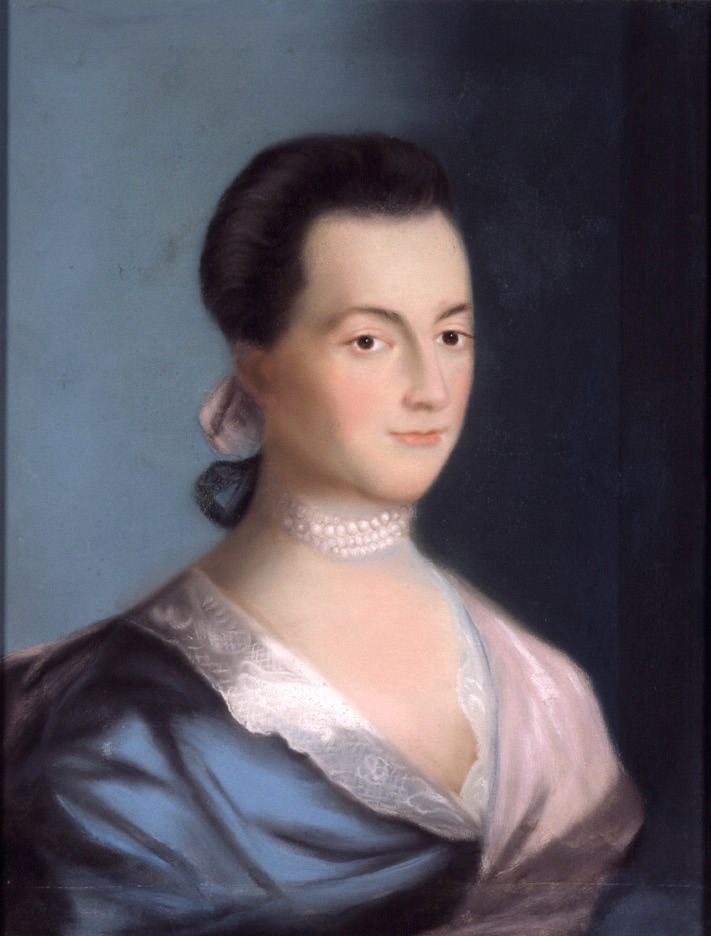
Abigail Adams, wife and adviser to John Adams, was an influential correspondent, an early advocate for women's education and legal protections, and a prominent figure in the founding era of the United States.
Overview
Abigail Smith Adams (November 11, 1744 – October 28, 1818) was the wife and close adviser of John Adams, the second President of the United States. She is widely remembered as an early model of the role later called the First Lady. Born in Weymouth, in Massachusetts, she belonged to a family connected to the prominent Quincy lineage and became a central figure in political and domestic life during the Revolutionary and early national periods.
Image gallery
10 Images


Early life and education
Abigail grew up in a household where reading and piety were emphasized; although women of her social class rarely received formal schooling, she educated herself through extensive reading and practical experience. Her intellectual interests and management skills shaped her role as a partner in a politically active family and prepared her to manage complex household and business affairs when her husband was away.
Marriage and family
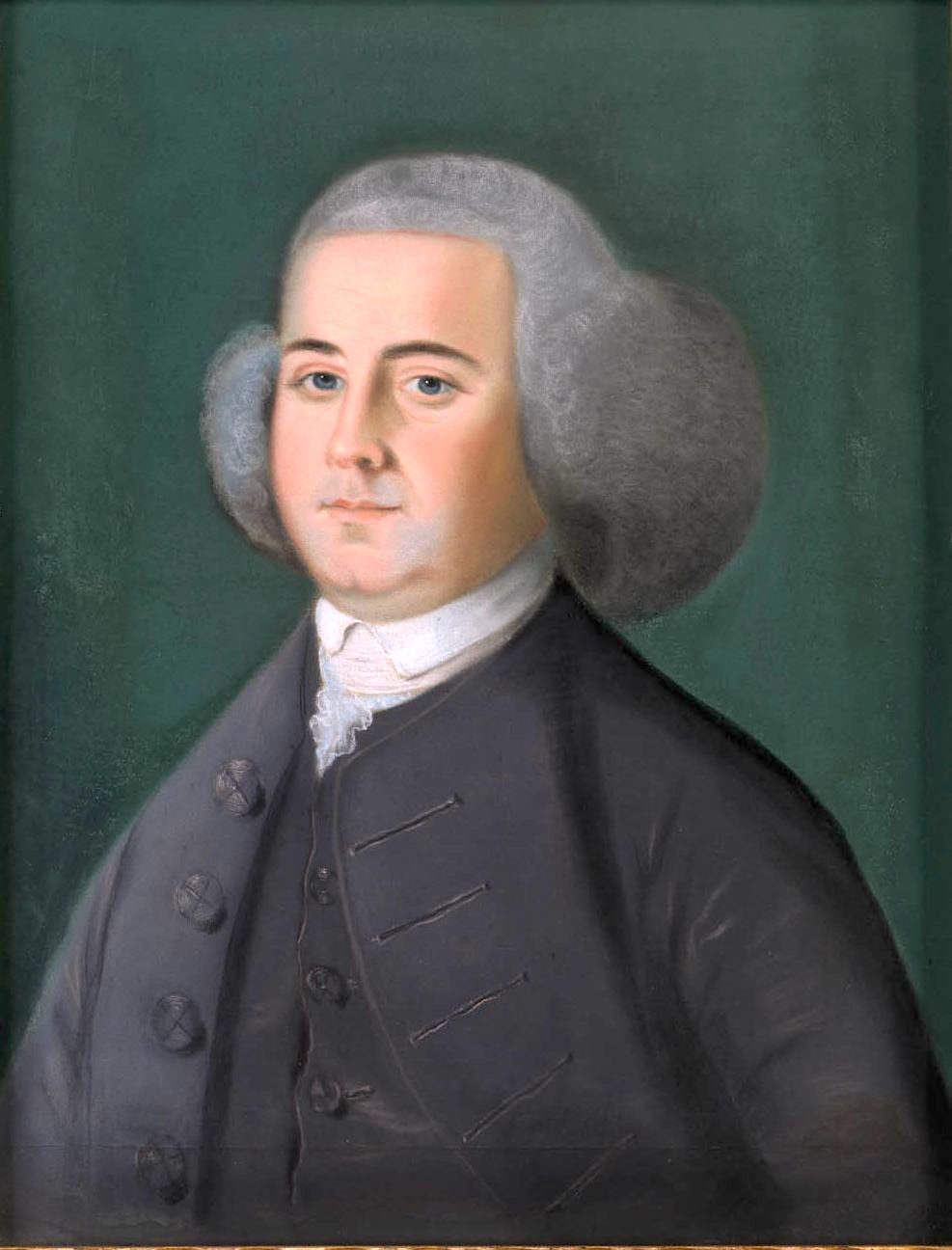
Abigail married John Adams in 1764. The couple raised a large family, including their son John Quincy Adams, who later became the sixth President of the United States. While John pursued a career in law and diplomacy, Abigail managed their home, farms and finances, and supervised the education of their children. Her letters to her husband frequently described domestic concerns alongside commentary on politics and public affairs.
Correspondence and political influence
Abigail Adams maintained a voluminous correspondence with her husband and with other public figures. These letters are a major primary source for scholars studying the Revolutionary era. In her correspondence she offered practical advice, reported on conditions at home, and discussed political developments. Her exchanges reflect an engagement with the ideas of the age and show how women in private roles could exert influence on public matters.
Views on women's education and legal status
Abigail urged improvements in education for girls and expressed concern about the legal disadvantages faced by women. In her letters she famously appealed to her husband and other leaders to remember the rights and interests of women as the new nation formed its laws and institutions. While she did not lead organized reform movements, her arguments contributed to later discussions about women's legal and educational reforms.
Later years and death
After John Adams left the presidency the couple retired to Quincy, where Abigail continued to oversee household and family affairs and to correspond with relatives and statesmen. In 1818 she died at age 74; contemporary accounts attribute her death to typhoid fever, an illness that was common and often fatal in the period.
Legacy
Abigail Adams is remembered not only as the spouse of a president but as an articulate and independent voice of the founding generation. Her letters remain widely read for their vivid picture of family life, politics and gender in early America. Collections of her correspondence and modern biographies continue to explore her influence on policy, her role as a political partner, and her efforts on behalf of women's education and legal protections.
Further reading and resources
- Collected letters and edited volumes provide direct access to Abigail's writing and are essential for understanding her perspective.
- Biographical treatments discuss her life in the context of John Adams's career and the broader politics of the era.
- For documentary sources and archival material consult published collections and institutional repositories that preserve correspondence and family papers.
For primary and secondary sources, see editions and commentaries that compile her correspondence and analyze her role in the political culture of the early United States. Representative references and digitized letter collections are available through major research libraries and published editions; readers can consult specialized biographies and editorial collections for fuller treatment of her life and influence.
Related links: John Adams, First Lady, Weymouth, Massachusetts, Quincy family, Quincy (retirement), typhoid, fever.
Related articles
Author
AlegsaOnline.com Abigail Adams (1744–1818) Leandro Alegsa
URL: https://en.alegsaonline.com/art/113245
Sources
- britannica.com : "Abigail Adams | Biography & Facts"
- firstladies.org : "Abigail Adams Biography :: National First Ladies' Library"
- womenshistory.org : "Abigail Adams"
- whitehouse.gov : "The First Ladies of the United States of America"