
Weymouth, Massachusetts
Historic South Shore community in Norfolk County, Massachusetts, settled in 1622. A coastal suburban city with colonial roots, neighborhood identities, redevelopment of former naval lands, and links to early American history.
Overview
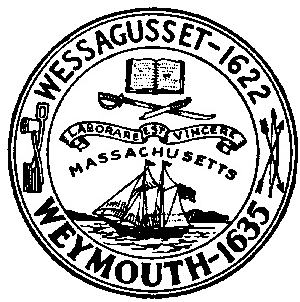
Weymouth is a community on Massachusetts' South Shore in Norfolk County, located a short distance south of Boston. First settled by Europeans in 1622 and incorporated as a town in 1635, Weymouth retains a long colonial heritage while functioning today as a suburban city in the Greater Boston region. According to the 2010 U.S. census the municipality recorded a population of 53,743. The area combines coastal neighborhoods, historic village centers, pockets of open space and modern residential and commercial development.
Image gallery
10 Images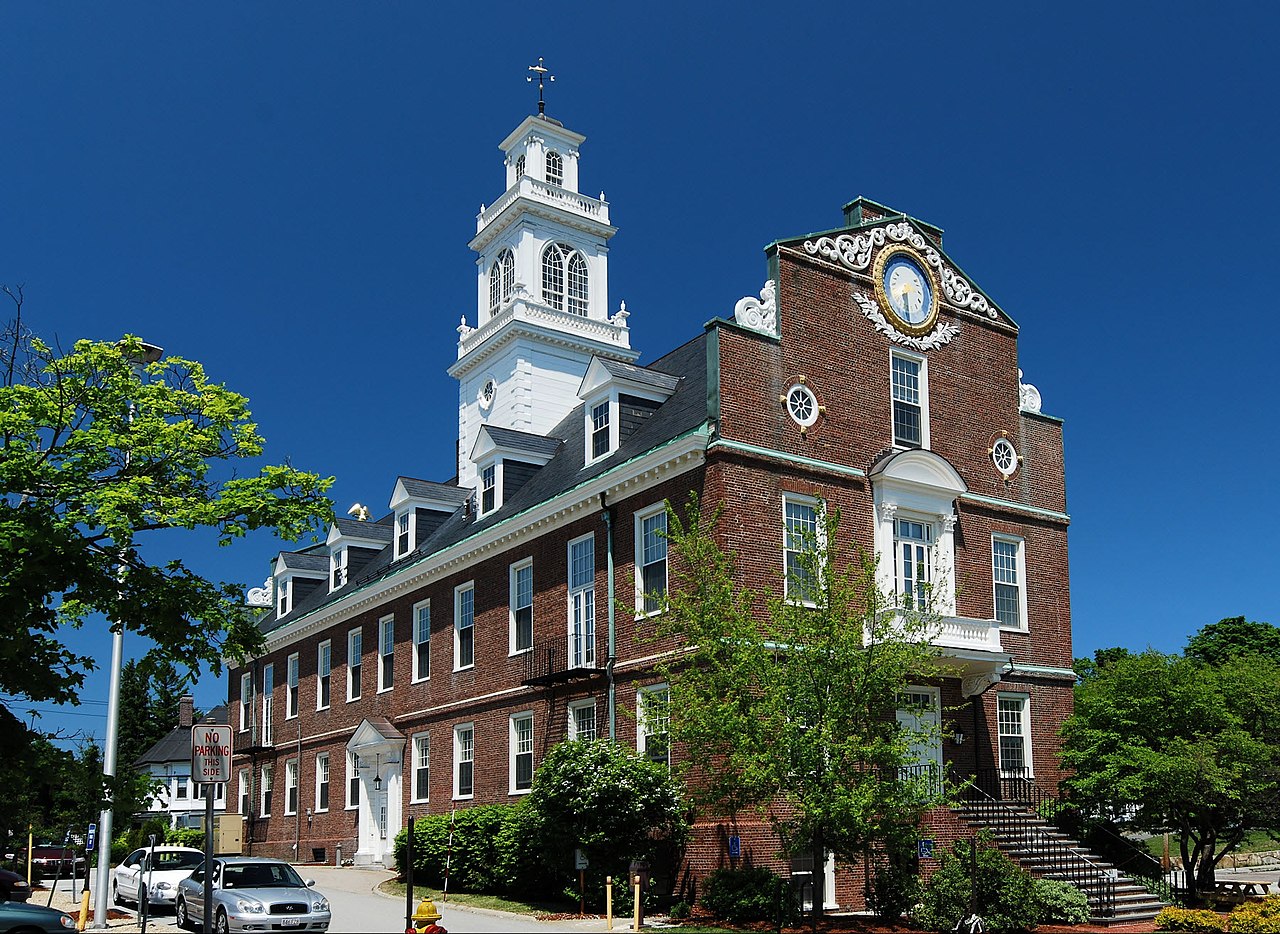




Early history
The peninsula and shoreland that became Weymouth was long inhabited by indigenous peoples of the Massachusett language group. Native place names such as Wessagussett reflect that heritage. European settlement began in the early 1620s as part of the first decades of English colonization in New England. Relations between newcomers and native communities were complex and often tense; in 1623 a violent confrontation known in colonial sources as the Wessagusset affair resulted in the deaths of several Massachusett leaders. Over the 17th century the settlement expanded with farms, shipbuilding and coastal trade.
Colonial and Revolutionary era
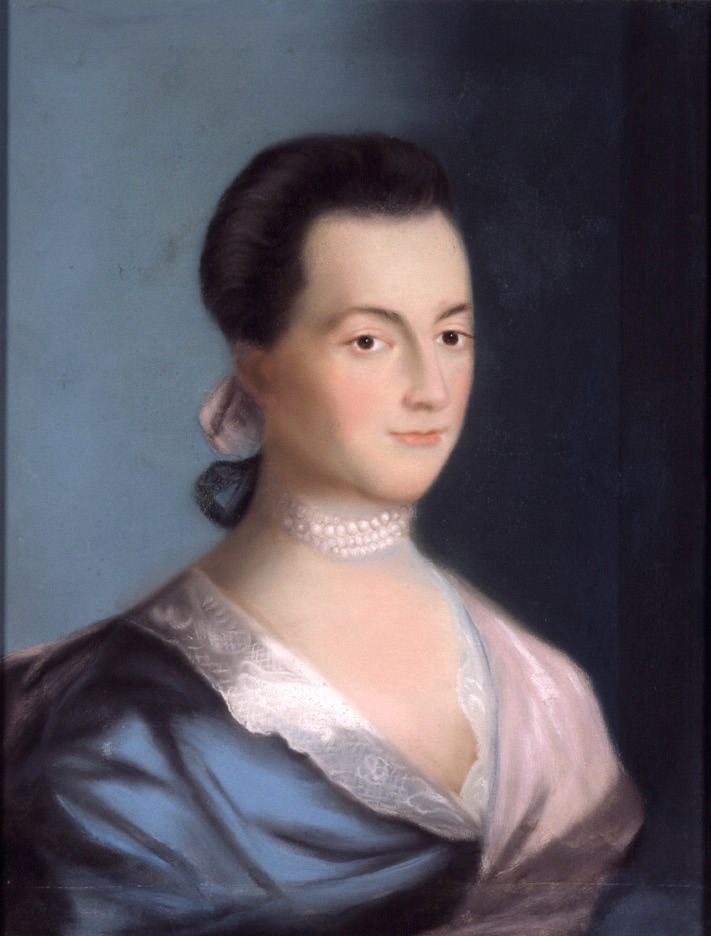
By the 18th century Weymouth was home to several families prominent in regional affairs. North Weymouth is the birthplace of Abigail Smith (later Abigail Adams), born in 1744; she married John Adams of nearby Braintree and later served as First Lady of the United States. The town contains a number of colonial-era homes, meetinghouse sites and burial grounds that reflect its long European-American history.
19th and 20th centuries
Weymouth's 19th-century economy mixed agriculture, maritime activities and small-scale industry. In the 20th century suburbanization and improved transportation tied the community more closely to Boston. South Weymouth became the site of a U.S. Naval Air Station in the 20th century; the base's closure and subsequent redevelopment have been major factors shaping recent growth and land use in the town.
Geography and neighborhoods
Weymouth occupies coastal and near-coastal land on Boston Harbor and the South Shore. Local usage recognizes several distinct districts and neighborhood identities:
- North Weymouth — traditional village areas and shoreline neighborhoods.
- Weymouth Landing — a commercial and transit-oriented district on the town's northwest side.
- East Weymouth and Weymouth Neck — residential sections nearer the harbor.
- South Weymouth — the site of the former Naval Air Station and of large redevelopment and conservation projects.
Government and civic life
Weymouth operated for centuries under a classic New England town meeting system. In 1999 voters adopted a city-style charter and the municipality now functions under a mayor–council structure while continuing to use the historical name "Town of Weymouth" in many civic contexts. Local government has focused in recent decades on balancing neighborhood preservation, waterfront conservation, and planned redevelopment of large properties.
Transportation and economy
The town is connected to the Boston region by an arterial road network and by public transit options that provide commuter access to downtown Boston and neighboring communities. Local economic activity blends small businesses, retail centers, professional services and light industry. Redevelopment projects, particularly on former military lands, have added housing, commercial space and public amenities while raising planning and environmental considerations for municipal leaders.
Landmarks, culture and historic resources
Points of interest include the Abigail Adams birthplace in North Weymouth, several colonial-era homes and graveyards, and shoreline parks. The community maintains historical records and collections through local historical organizations and municipal archives; those resources document Weymouth's long sequence of indigenous presence, colonial settlement and modern change (local history resources). The town's name recalls its English namesake in Dorset (Weymouth, Dorset) and part of its cultural memory connects to broader Atlantic and New England histories.
Notable associations
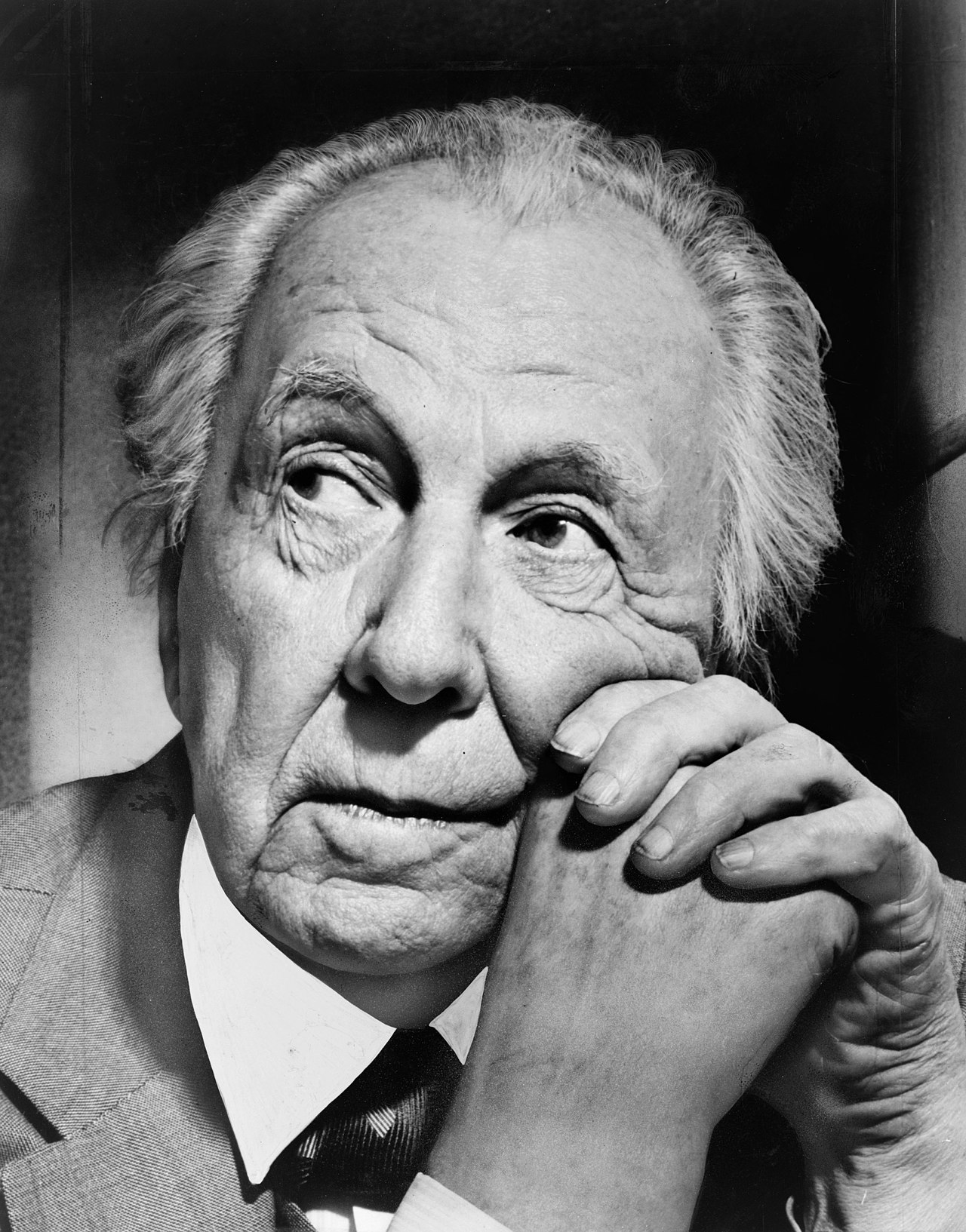
Weymouth has been associated with a range of figures in American public life and culture. Actor Hal Holbrook is among those noted in local accounts. Some historical notes and secondary sources also record occasional connections or visits linked to prominent designers and architects in the region (Frank Lloyd Wright is sometimes mentioned in such accounts), though major biographical claims are best confirmed through primary archival materials.
Contemporary character
Today Weymouth exemplifies the layered character of many New England towns: indigenous landscapes and colonial settlement overlain by maritime and agricultural development and later suburbanization. Ongoing municipal efforts seek to preserve historic sites and waterfronts, support neighborhood identities, and manage growth through planning for transportation, open space and redevelopment. Visitors and residents can explore coastal trails, historic markers, community events and local institutions that reflect the town's long and evolving history.
Related articles
Author
AlegsaOnline.com Weymouth, Massachusetts Leandro Alegsa
URL: https://en.alegsaonline.com/art/107641
Sources
- factfinder2.census.gov : "Population and Housing Occupancy Status: 2010 - State -- County Subdivision, 2010 Census Redistricting Data (Public Law 94-171) Summary File"
- weymouth.ma.us : weymouth.ma.us