
Abbas Kiarostami
Iranian filmmaker, screenwriter, photographer and producer known for poetic, minimalist films such as the Koker trilogy, Close-Up, Taste of Cherry and The Wind Will Carry Us.
Overview
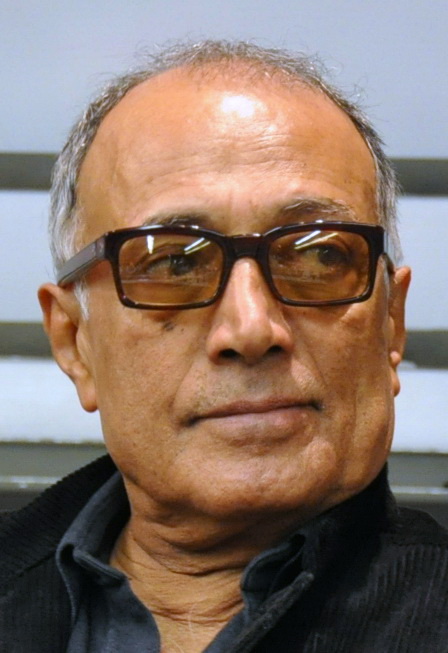
Abbas Kiarostami (22 June 1940 – 4 July 2016) was an influential Iranian filmmaker, screenwriter and visual artist. Born in Iran, he became internationally known for a body of work that blended fiction, documentary techniques and philosophical reflection. His name is often given in Persian scripts, and he is widely considered a central figure in modern Iranian cinema. In addition to directing, he worked as a film director, screenwriter, photographer and producer.

Image gallery
10 Images





Artistic approach and themes
Kiarostami's films are noted for their spare visual style, long takes, minimal editing and frequent use of non‑professional actors. He often blurred the boundaries between fiction and reality, exploring ethical and existential questions through ordinary situations. Many works emphasize open endings and conversational pacing, inviting audiences to participate in meaning-making rather than delivering explicit messages. He also made shorter pieces and visual essays, continuing a career-long interest in perception and the act of looking.
Major works
His best-known features include the informal "Koker trilogy" (films connected by place and theme rather than plot), Close-Up (1990), Taste of Cherry (1997) — which won the Palme d'Or at Cannes — and The Wind Will Carry Us (1999). Later international co-productions include Certified Copy (2010) and Like Someone in Love. He also produced documentaries and short films that complemented his features and experimental work.
- Koker trilogy — interrelated films set around the village of Koker
- Close-Up — a hybrid of reconstruction and documentary
- Taste of Cherry — existential drama awarded at Cannes
- The Wind Will Carry Us — meditative study of rural life
Career and influence
Beginning in graphic design and educational media, Kiarostami later worked with institutions that produced films for young audiences and cultural education. His restrained aesthetics and humane outlook influenced filmmakers and artists worldwide and contributed to greater international attention for Iranian cinema. Critics and scholars study his use of landscape, the ethics of representation and his cross-disciplinary practice in photography.
Death and legacy
Kiarostami died in a hospital in Paris on 4 July 2016 after a period of illness; reports cited gastrointestinal cancer as the cause. His films continue to be screened, studied and celebrated for their formal innovation, moral subtlety and enduring humanism. He is regularly discussed alongside other major international auteurs for reshaping expectations about narrative cinema and visual storytelling.
For further reading about his films and methods, see selections of critical essays and retrospectives that examine his recurrent motifs, working methods and the cultural contexts of his work. Many resources cover his photography and shorter works as well as his stage of international collaborations and retrospectives.
He also made a significant number of documentaries and short films that exemplify his exploratory style and continue to be of interest to students and cinephiles.
Related articles
Author
AlegsaOnline.com Abbas Kiarostami Leandro Alegsa
URL: https://en.alegsaonline.com/art/113178
Sources
- theguardian.com : "The world's 40 best directors"
- wexarts.org : "Abbas Kiarostami Films Featured at Wexner Center"
- old.bfi.org.uk : "2002 Ranking for Film Directors"
- theguardian.com : "Abbas Kiarostami, Palme d'Or-winning Iranian film-maker, dies aged 76"