
999 (nine-nine-nine): the United Kingdom and Ireland emergency number
999 (nine-nine-nine) is the primary emergency telephone number in the UK and Ireland, connecting callers to police, fire, ambulance and other rescue services. 112 is also accepted across mobile networks.
999 (spoken "nine-nine-nine") is the traditional emergency telephone number used to contact urgent public safety services in the United Kingdom and Ireland. Callers who dial 999 are connected to an emergency operator who can summon the appropriate response such as police, fire and rescue, or ambulance and paramedics. The number is intended only for life‑threatening or time‑sensitive situations; routine or non-urgent matters are handled through separate, non-emergency contact lines.
Image gallery
4 Images
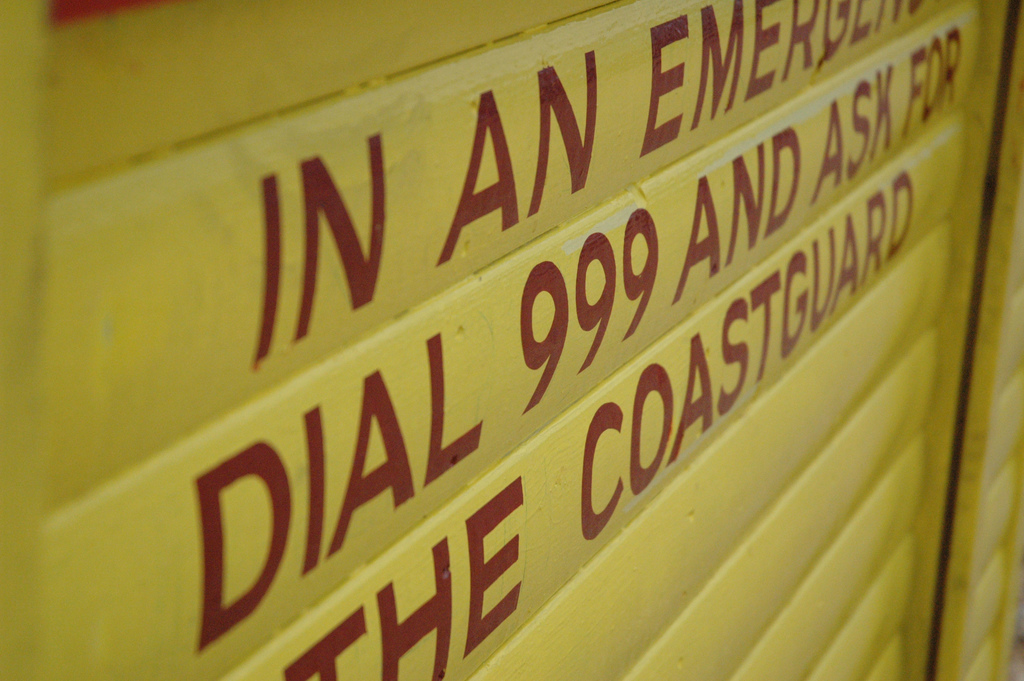


How a 999 call is handled
When 999 is dialled the caller is put through to an operator who will ask which service is required and for details such as the location and nature of the emergency. Call handlers can then dispatch:
- Police
- Fire and rescue
- Ambulance / paramedics
- Specialist teams such as mountain rescue, coastguard or cave rescue
For mobile callers, 112 also reaches the same emergency services and is recognised across the European Union and on GSM networks worldwide. Modern emergency systems often provide the caller's approximate location to dispatchers by using network data or smartphone location features.
Origins and international context
999 has been the long-standing emergency number in the UK and Ireland. Over time, the EU-standard 112 was introduced alongside it so callers can use either number. Some other countries use different codes (for example, 911 in the United States or 000 in Australia), so travellers should check the local emergency number when abroad. In parts of Europe and elsewhere, 112 and 999 are interoperable on mobile networks.
When and how to call
Only call 999 for emergencies that require immediate help. When speaking to the operator, be prepared to give: the exact or nearest location, a brief description of the incident, how many people are involved, and any immediate dangers. Follow any instructions from the call handler and remain on the line unless told otherwise. For non-urgent police matters there are dedicated numbers and online services to report crimes or request assistance.
Other uses and notable points
In some countries the digits are reused for particular services: for example, 999 is also used as an emergency medical number in Poland. Making hoax, abusive or persistent unnecessary calls to emergency lines can carry legal penalties because they divert resources from genuine incidents. For further official guidance about the emergency number and services see local public safety resources or your national emergency services pages.
For more information on emergency numbers and advice about contacting services, consult official resources on the emergency number and general emergency services.
Related articles
Author
AlegsaOnline.com 999 (nine-nine-nine): the United Kingdom and Ireland emergency number Leandro Alegsa
URL: https://en.alegsaonline.com/art/113111