
Emergency telephone number
Short, easy-to-remember phone numbers reserved for calling police, medical, fire, or other urgent public services; systems vary by country and now include mobile and location features.
An emergency telephone number is a short, easy-to-remember telephone contact used to request urgent assistance from public safety agencies. These numbers connect callers rapidly to dispatch centers that coordinate police, ambulance and firefighting resources. In many descriptions the word "telephone" is linked to basic calling infrastructure: telephone. Commonly the services reached include the police, medical assistance and firefighting. Systems are designed so that even callers with limited technical ability or under stress can place a call quickly and receive help.
Image gallery
4 Images


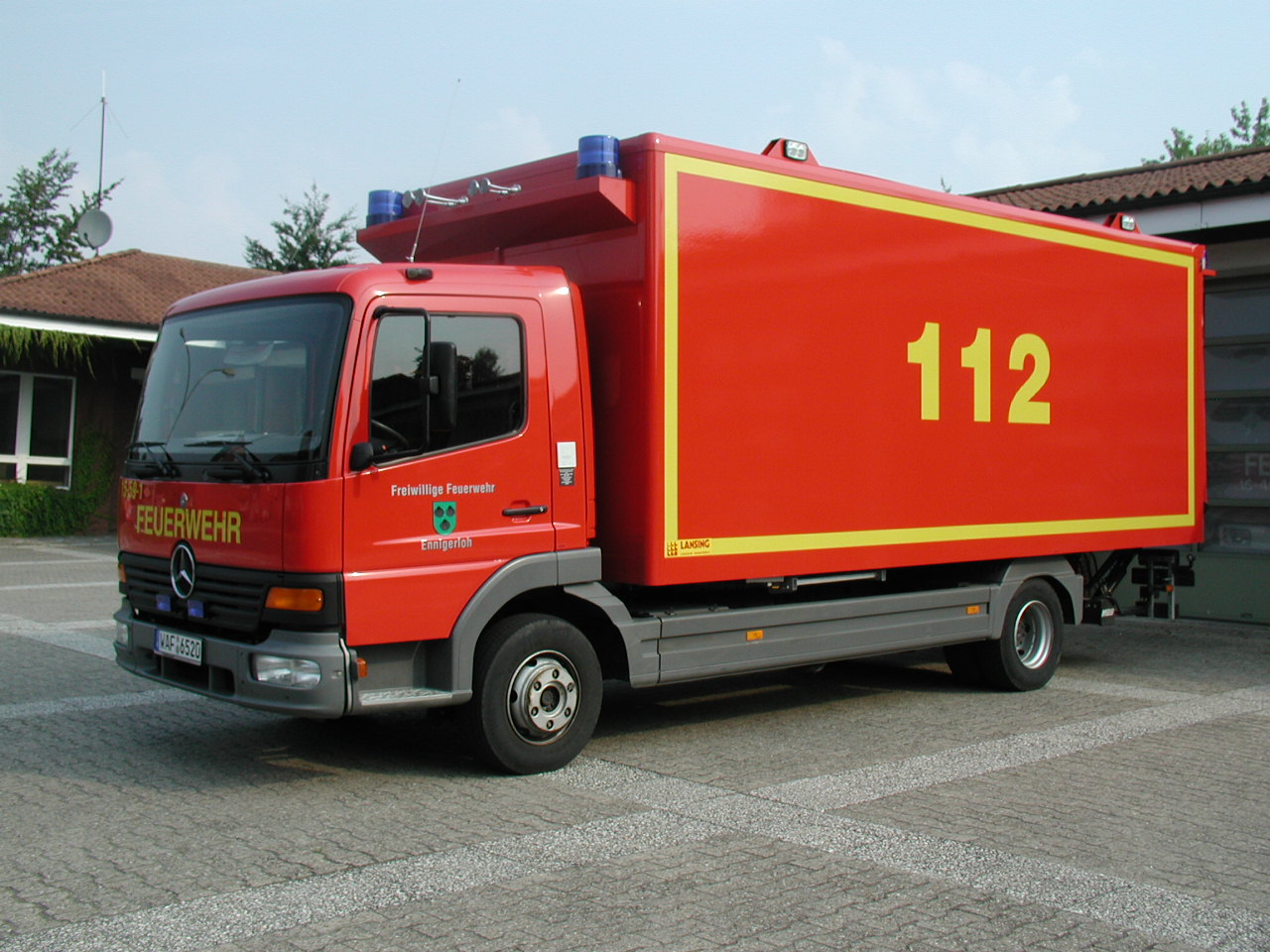
Key characteristics
Emergency numbers are typically short—often three digits—to reduce dialing time and improve recall. They are usually available free of charge from landlines, mobile phones and many public payphones. Calls are routed to public-safety answering points where trained dispatchers determine the nature of the incident and send appropriate responders. Many modern systems also support text and data interfaces so that people with hearing or speech disabilities can request help.
How they operate
When an emergency number is dialed, network systems identify the caller's originating exchange and route the call to the local dispatch center. Dispatchers collect critical details such as location, the type of emergency and any immediate hazards, then alert police, ambulance, rescue or fire services as needed. In many regions, enhanced services provide approximate caller location automatically; mobile phones and GPS integration can further refine this data in supported systems.
History and development
The concept of dedicated, short emergency numbers arose in the 20th century as telephone networks matured and public authorities sought a uniform method for summoning help quickly. Over time, many countries standardized on a single national number, while others retained separate numbers for different services. International coordination has led to regionally recognized codes that work across borders in some areas; however, no single global number replaces national arrangements everywhere.
Variations and notable facts
- Some countries use one universal emergency number for all services to simplify public access.
- Other jurisdictions maintain distinct numbers for police, medical emergencies and fire brigades, sometimes differing by a single digit.
- Modern enhancements include location reporting, text-to-911 support, and data links for medical information or images where available.
- Abuse or prank calls can endanger lives by diverting resources; many systems impose penalties for misuse.
Practical advice
People should memorize the emergency number used where they live and learn any local variations when traveling. When calling, remain as calm and clear as possible, provide a precise location, describe the problem and answer the dispatcher’s questions. If available, enable location sharing on mobile devices to assist responders. For non-urgent matters, use the appropriate local non-emergency contacts to avoid overloading emergency lines.
Related articles
Author
AlegsaOnline.com Emergency telephone number Leandro Alegsa
URL: https://en.alegsaonline.com/art/31119