
Paramedic: role, training, skills and place in emergency medical services
An overview of paramedics: their responsibilities, training, scope of practice, relationship to other ambulance staff, history and importance in emergency care.
A paramedic is a health care professional trained to provide advanced pre-hospital emergency medical care. Employed most often by ambulance services, they respond to sudden injuries and acute illnesses, assess patients, deliver lifesaving treatments on scene and during transport, and help decide whether a patient requires urgent hospital care. The term is widely used, but exact responsibilities and legal scope vary by country and employer.
Image gallery
10 Images


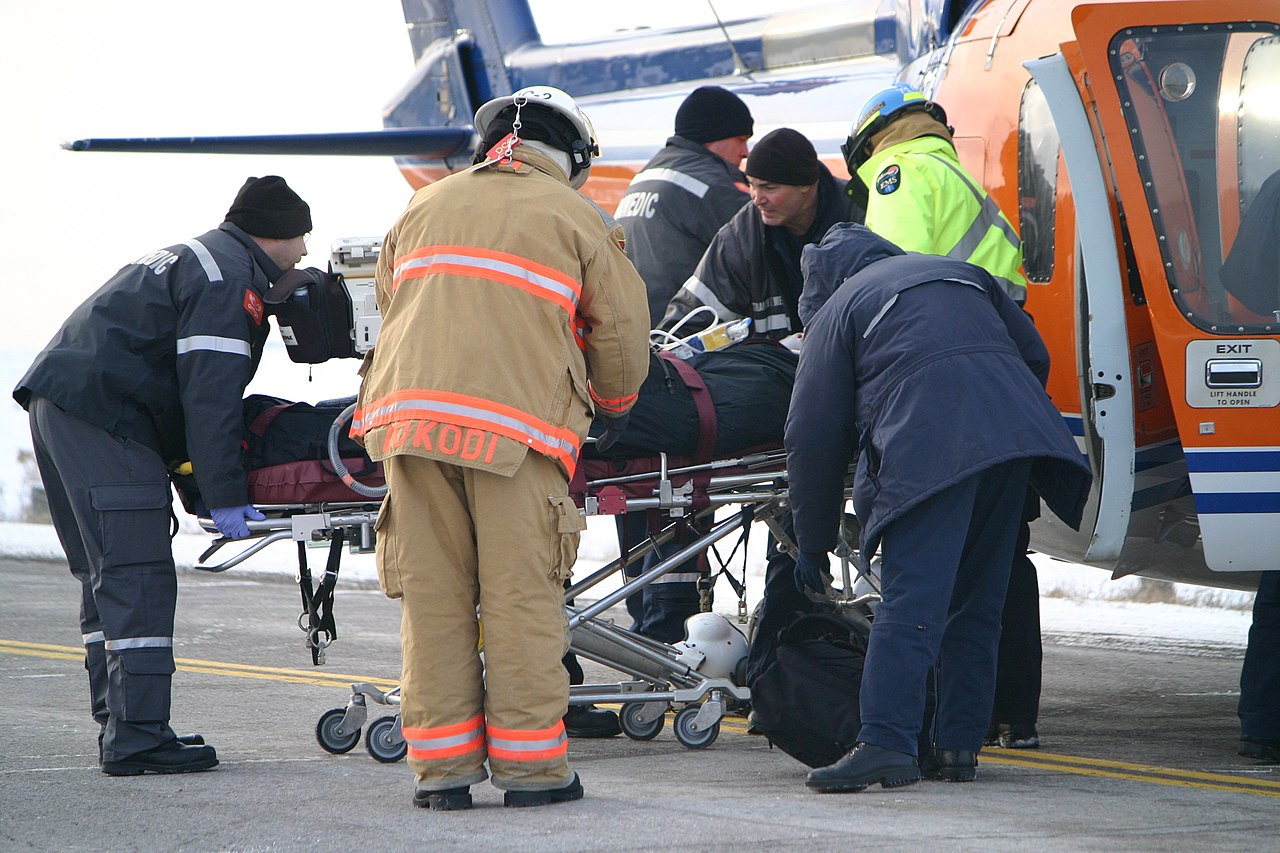


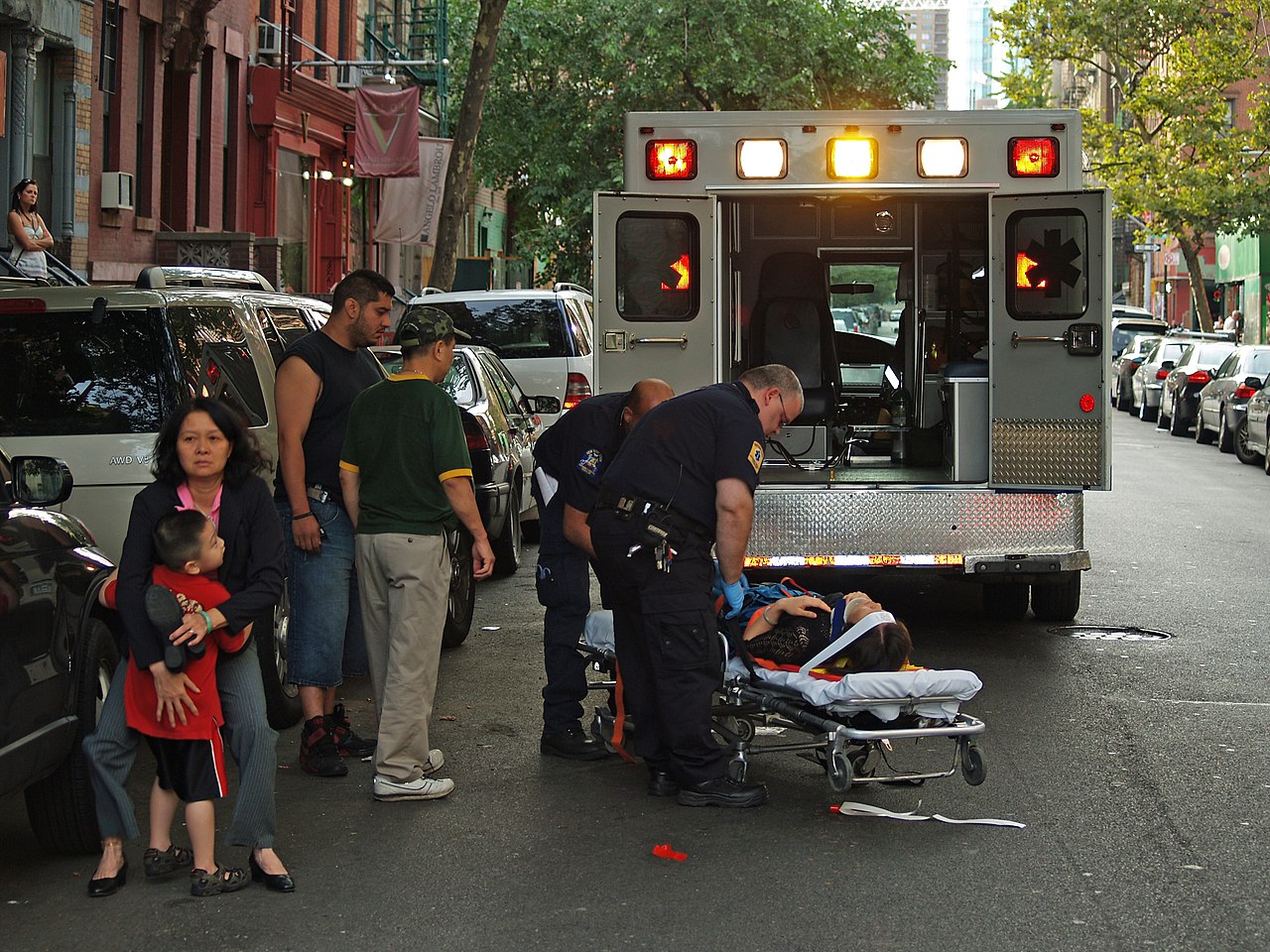


Scope of practice and typical skills
Paramedics perform a range of assessments and interventions that go beyond basic first aid. Their skills commonly include advanced airway management, intravenous access and drug administration, cardiac monitoring and defibrillation, trauma management, and interpretation of clinical signs to prioritise care. They communicate with other emergency services and often provide clinical handover to hospital staff. For more on the organisation that employs paramedics, see emergency medical services.
Training, certification and regulation
Education pathways differ internationally. In some countries qualification requires a university degree or an accredited diploma; elsewhere a focused vocational programme is sufficient. Training covers anatomy, physiology, pharmacology, emergency procedures and clinical placements. After initial qualification, paramedics usually undergo continuing education, clinical governance reviews and certification renewal. For information on training standards, consult your national regulators or training providers listed at professional education resources.
Common duties and work environment
Paramedics work in varied and unpredictable settings: private homes, roadways, workplaces, sporting venues and disaster scenes. Their duties include:
- Rapid patient assessment and triage.
- Providing advanced life support and stabilisation prior to and during transport.
- Administering medications and performing invasive procedures when authorised.
- Documenting care, communicating with emergency departments and completing legal records.
Many paramedics operate from an ambulance vehicle, but some work in air ambulances, community outreach, or critical care teams embedded with hospitals.
History and development
The paramedic role evolved during the mid-20th century as emergency care moved out of hospitals and into the community. Systems developed to shorten time to treatment for cardiac arrest, trauma and other life-threatening conditions. Over time scope, education and professional recognition expanded; in several jurisdictions paramedics now practise with substantial autonomy and extended competencies.
Distinctions, limits and patient pathway
The word "paramedic" is sometimes used loosely to describe anyone working on an ambulance. However, ambulance crews may include different roles such as emergency medical technicians, care assistants, nurses or doctors with varying qualifications. Unlike hospital doctors, paramedics focus on stabilisation and transport; definitive treatment is usually completed under hospital care. When hospital care is required they transfer patients to an emergency department or other inpatient service for definitive treatment, providing documentation and clinical briefing to receiving teams. For examples of patient-focused protocols and guidelines, see clinical care guidance.
Paramedics play a central role in modern emergency medical systems by providing rapid assessment, critical interventions and coordination between the scene and hospital care. Their work demands clinical skill, adaptability and good communication under pressure.
Questions and answers
Q: What is a paramedic?
A: A paramedic is a healthcare professional who works for emergency medical services, usually on an ambulance, to help people who have been injured or become ill suddenly.
Q: What do paramedics do?
A: Paramedics can do many different things to decide what the problem is and to treat the patient at the scene. If needed, they take the person to the hospital in the ambulance and try to prevent the patient's illness from getting worse before they reach the hospital.
Q: What do doctors and nurses do when the paramedics bring a patient to the hospital?
A: When the paramedics bring a patient to the hospital, doctors and nurses take over care of the patient.
Q: Do all ambulance crew have paramedic as their job title?
A: No, not all ambulance crew have the job title of a paramedic. Emergency Medical Technicians or Emergency Care Assistants do similar work but have less training.
Q: Do some ambulances have doctors and nurses?
A: Yes, some ambulances have doctors and nurses.
Q: What is the title of paramedic used for in many countries?
A: The title of "paramedic" in many countries is for those who have taken a specific training course.
Q: What kinds of emergencies do paramedics have to work in?
A: Paramedics have to work in many different types of emergency situations and cannot predict what the next emergency will be.
Related articles
Author
AlegsaOnline.com Paramedic: role, training, skills and place in emergency medical services Leandro Alegsa
URL: https://en.alegsaonline.com/art/74546
Sources
- sauvedesvies.com : "Sauvedesvies.com"