
2018 North Korea–United States summit
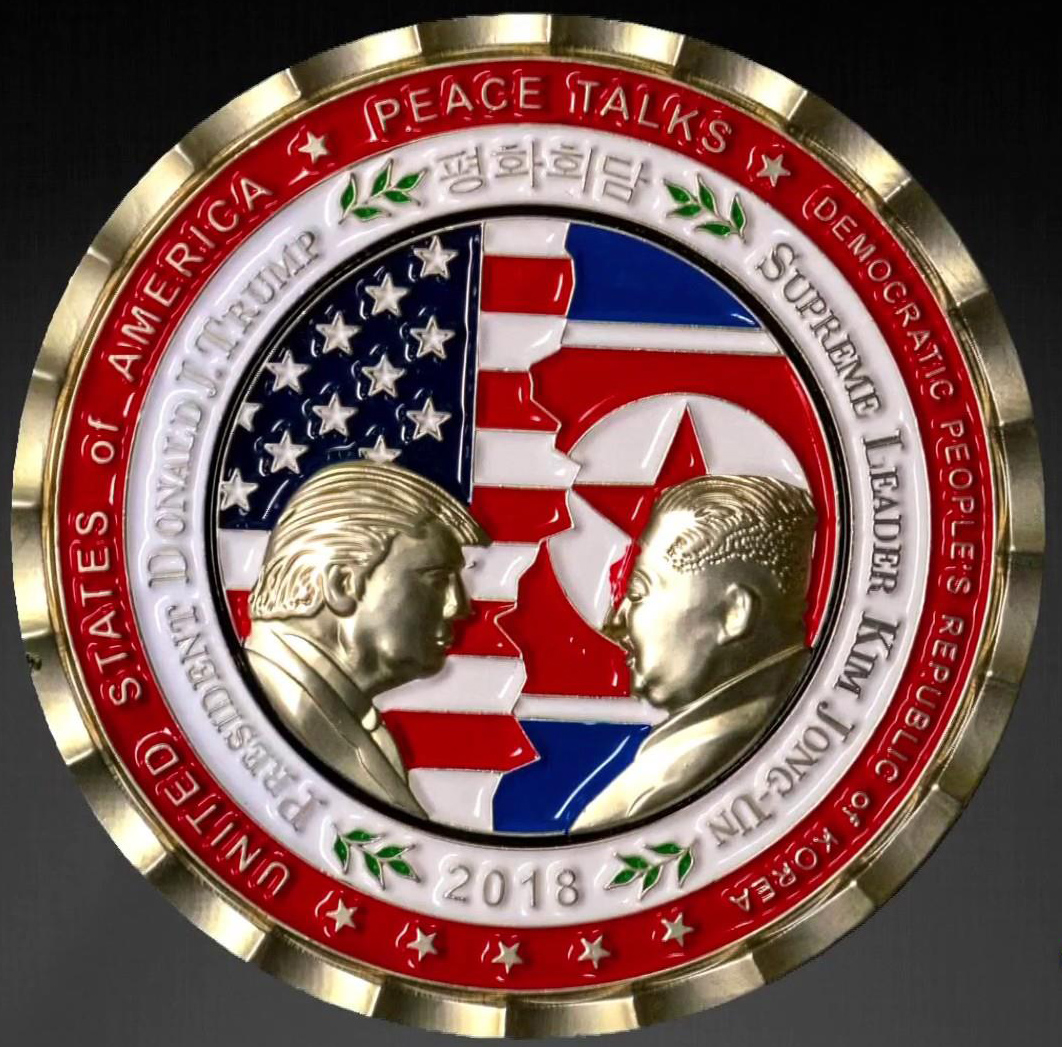
June 12, 2018 meeting in Singapore between U.S. President Donald Trump and North Korean leader Kim Jong‑un — a high‑profile diplomatic encounter focused on denuclearization, sanctions and establishing dialogue.
Overview
The 2018 North Korea–United States summit was held on June 12, 2018, in Singapore. It brought together the leader of North Korea and the president of the United States for face‑to‑face talks aimed at reducing tensions on the Korean Peninsula and addressing concerns about North Korea's nuclear and missile programs. The meeting was widely reported as the first time a sitting U.S. president met the leader of North Korea since the end of major combat operations in the Korean War.
Image gallery
10 Images



Background
In the months before the summit, the two countries exchanged a mixture of threats, diplomatic overtures and public statements. Preparatory steps included back‑channel communications, the return or release of American detainees, and a sequence of diplomatic contacts that reduced immediate military tensions. The summit was confirmed by the White House on March 8, 2018, following direct invitations and acceptance by the leadership of both nations.
Announcement and preparations
Public confirmation emphasized that normal pressure measures, including economic sanctions, would remain in place pending concrete outcomes. A Press Secretary for the administration, Sarah Huckabee Sanders, underscored that stance while the two sides prepared for talks. North Korean statements and policy organs also described preparatory steps and consultations with senior officials ahead of the meeting.
Participants and venue
The principal participants were Donald Trump as the U.S. leader and Chairman Kim Jong‑un representing North Korea, together with senior advisers, interpreters and security teams. The choice of Singapore reflected its neutral hosting role and logistical capacity to provide secure facilities for leaders and delegations.
Agenda and joint statement
Public descriptions of the summit agenda highlighted denuclearization, security assurances, potential normalization of relations, and sanctions relief. The leaders issued a joint statement that expressed mutual commitments in broad terms rather than detailed, time‑bound steps. Observers noted that while the statement included references to denuclearization and cooperation, it left many technical and verification questions unresolved.
Immediate reactions
Reactions from governments, analysts and commentators were mixed. Some praised the summit as a breakthrough that opened direct lines of communication and lowered the immediate risk of conflict. Others cautioned that without clear verification mechanisms and detailed follow‑through, symbolic agreements risked producing limited substantive change to the underlying security situation.
Follow‑on diplomacy and verification
After the summit, further meetings and working‑level talks were pursued to clarify commitments and examine practical steps. A recurring theme in analysis was the difficulty of designing robust verification arrangements acceptable to both sides: denuclearization efforts typically require intrusive inspections, timelines and reciprocal measures that can be politically sensitive and technically complex.
Significance and legacy
The summit marked a notable moment in contemporary diplomacy by bringing together adversarial leaders in direct conversation. It influenced subsequent negotiations and regional diplomacy and became a reference point for discussions about summitry, crisis de‑escalation and the limits of high‑level talks without accompanying technical agreements. Scholars and practitioners continue to study the summit for lessons about negotiation design, leverage, and implementation.
Key facts
- Date and place: June 12, 2018, in Singapore.
- Leaders: Donald Trump (U.S.) and Kim Jong‑un (North Korea).
- Topics: denuclearization, security assurances, sanctions, diplomatic normalization.
- Context: first meeting between a sitting U.S. president and a North Korean leader since the Korean War; preceded by detainee releases and preparatory diplomacy.
Further reading
For contemporary statements and official material, see releases attributed to the White House and to official representatives of North Korea. Press briefings and explanatory remarks by the U.S. President and by North Korean officials were part of the public record of the event. Coverage at the time by international media, academic analysis and government briefings provide additional context and ongoing assessment.
Key primary sources cited or discussed in later reviews include leadership statements, the text of the joint statement, and public remarks by delegation members. Researchers examining the summit often focus on how initial diplomatic openings translated into—or failed to produce—concrete, verifiable steps on the ground.
Related articles
Author
AlegsaOnline.com 2018 North Korea–United States summit Leandro Alegsa
URL: https://en.alegsaonline.com/art/112631
Sources
- washingtonpost.com : "Trump announces June 12 summit in Singapore with North Korean leader"
- foxnews.com : "Trump will accept Kim Jong Un's invitation to meet, White House says"
- telegraph.co.uk : "North Korea silent on meeting with Donald Trump"
- marketwatch.com : "North Korea's Kim Jong Un breaks silence, confirms summit with Trump"
- straitstimes.com : "Singapore is 'strongest' candidate to host Trump-Kim summit in mid-June: South Korean daily"
- cnn.com : "Kim agrees to meet Trump at DMZ, source says"
- thehill.com : "Trump says plans to meet North Korean leader coming in next 'couple of days'"