
2019 Canadian federal election
Overview of Canada's 2019 federal election: date, major parties and leaders, results, main campaign issues, regional patterns and the election's political consequences.
Overview
The 2019 Canadian federal election, formally the 43rd general election, was held on October 21, 2019. Voters across Canada chose members of the House of Commons to fill all 338 seats under the first-past-the-post electoral system. The campaign followed four years of Liberal government led by Prime Minister Justin Trudeau and produced a result that left no party with an absolute majority.
Image gallery
10 Images
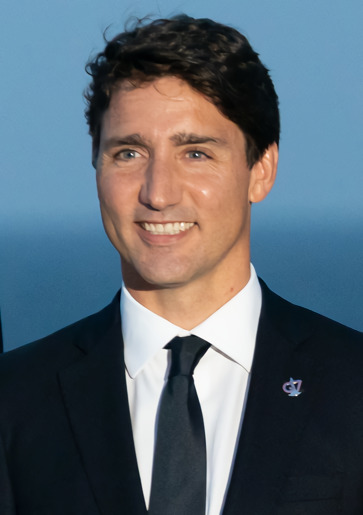



Major parties and leaders
The campaign featured several nationally prominent leaders: Justin Trudeau (Liberal Party), Andrew Scheer (Conservative Party), Jagmeet Singh (New Democratic Party), Yves-François Blanchet (Bloc Québécois) and Elizabeth May (Green Party). Each party sought to define priorities on climate change, the economy and social policy while competing for urban, suburban and regional support.
Results and outcomes
The election returned a fragmented House in which the Liberal Party won the most seats but fell short of a parliamentary majority, resulting in another Liberal minority government. The Conservative Party won the largest share of the nationwide popular vote but fewer seats, making it the Official Opposition. Smaller parties and regional formations retained or increased influence, shaping a multi-party balance of power.
Key campaign issues
- Climate policy and carbon pricing debates.
- Economic growth, affordability and housing costs.
- Energy and pipeline projects, especially in western provinces.
- Indigenous reconciliation and social services.
- Ethics and governance questions following controversies earlier in the parliamentary term.
Regional patterns and significance
Voting patterns highlighted strong regional divisions: the Conservatives performed well in much of the Prairie provinces and rural areas, while the Liberals retained strength in Atlantic Canada and in many urban ridings. The Bloc Québécois regained prominent support in Quebec, and the NDP and Greens maintained pockets of representation. The minority outcome underscored Canada's multiparty dynamics and meant the governing party needed cooperation from other parties to pass major legislation.
Aftermath
The 2019 result shaped parliamentary politics for the following years, influencing legislative priorities and inter-party negotiations. It set the stage for ongoing debates about electoral reform, federal-provincial relations and the balance between economic and environmental policy—issues that continued to figure prominently in Canadian politics after the election.
Related articles
Author
AlegsaOnline.com 2019 Canadian federal election Leandro Alegsa
URL: https://en.alegsaonline.com/art/112646
Sources
- cbc.ca : "Canadian election drew nearly 66% of registered voters"
- parl.gc.ca : "Amendment to Canada Elections Act"