
Kim Jong-un
Supreme Leader of North Korea since 2011, third generation of the Kim family dynasty; central figure in North Korean politics, nuclear and missile development, and international diplomacy.
Overview
Kim Jong-un (born 8 January, year variously reported as 1982–1984) has been the top leader of the Democratic People's Republic of Korea (North Korea) since late 2011. He succeeded his father, Kim Jong-il, continuing a hereditary leadership passed down from his grandfather, Kim Il-sung. His rule combines concentrated political authority, control over the armed forces, and a prominent role in state propaganda.
Image gallery
10 Images




Positions and powers
As leader, Kim holds multiple senior titles and commands core institutions of the state. These roles give him authority over policy, the military, and party functions. Typical responsibilities associated with his office include:
- Setting strategic priorities for the Workers' Party of Korea and the government
- Directing military modernization and defense policy
- Overseeing domestic administration, economic planning, and state security
Background and succession
Kim is a member of North Korea's ruling family and was groomed to succeed his father. Reports indicate portions of his youth were spent abroad, and he received education both inside North Korea and reportedly in Europe. After his father's death in 2011 he moved quickly to consolidate control, appointing loyalists to key posts and replacing or sidelining figures perceived as threats.
Policies and international relations
Under Kim's leadership North Korea has continued development of nuclear weapons and long-range missiles, actions that have led to international sanctions and friction with the United States, South Korea and other countries. At the same time, he has pursued bouts of diplomacy, including high-profile meetings with South Korean and U.S. leaders in 2018–2019. Domestically, his administration has expressed interest in economic development while maintaining strict political control.
Domestic governance and human rights
Governance under Kim is characterized by a strong central state, extensive surveillance and limitations on dissent. International organizations and governments have repeatedly raised concerns about human rights conditions in North Korea. The leadership also sustains an intensive personality cult that highlights the legitimacy of the Kim family's rule.
Notable aspects
- Represents the third generation of a hereditary leadership system established in North Korea.
- Has blended aggressive weapons development with episodic diplomacy and limited economic initiatives.
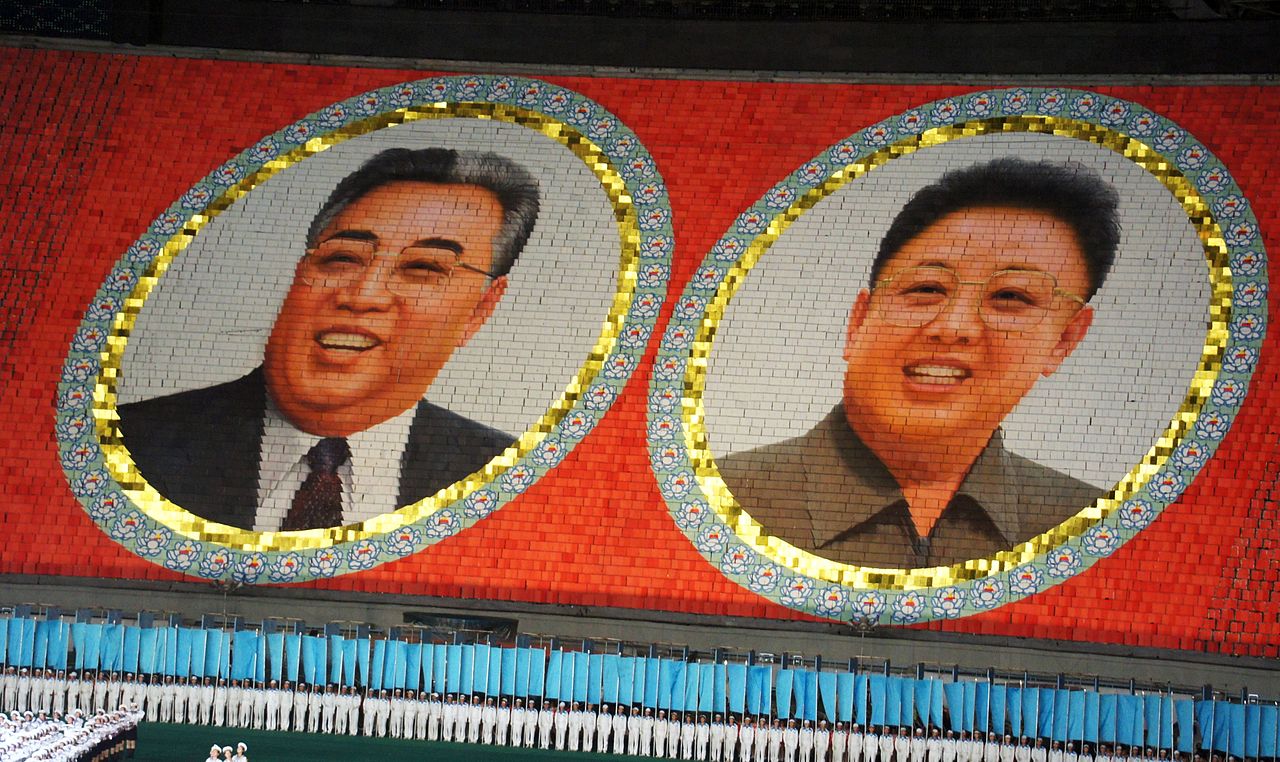
- Maintains a prominent public image domestically through state media and ceremonial displays.
Related articles
Author
AlegsaOnline.com Kim Jong-un Leandro Alegsa
URL: https://en.alegsaonline.com/art/123746
Sources
- google.com : "N.Korea declares Kim Jong-Un commander of military"
- nytimes.com : "Rodman Gives Details on Trip to North Korea" · web.archive.org
- msn.com : "We finally know the age of North Korean dictator Kim Jong Un" · web.archive.org
- washingtonpost.com : "The secret life of Kim Jong-un's aunt, who has lived in the U.S. since 1998" · web.archive.org
- news.naver.com : "[北 막오른 김정은 시대]조선중앙통신 보도, 金正銀(X) 金正恩"
- news.khan.co.kr : ""청년대장 김정은"... 북 후계자 시사 벽보 찍혔다"
- washingtonpost.com : "Son Named Heir to North Korea's Kim Studied in Switzerland, Reportedly Loves NBA" · web.archive.org
- telegraph.co.uk : "Rare photos of Kim Jong-il's youngest son, Kim Jong-un, released" · web.archive.org
- thesun.co.uk : "Profile"