
2019 Brazil wildfires: Amazon and Cerrado fire season
A summary of the 2019 wildfires that affected Brazil's Amazon and Cerrado regions, outlining scale, causes, impacts, government response and the political controversy surrounding international aid.
The 2019 Brazil wildfires were a major environmental crisis that drew global attention in mid‑2019. According to national monitoring, at least 75,336 fire events were recorded in Brazil since January 2019, with an intense escalation of active fires detected in August. Large parts of the Amazon and the neighbouring Cerrado savanna burned or were cleared by fire, producing smoke plumes that affected air quality locally and regionally.
Image gallery
10 Images
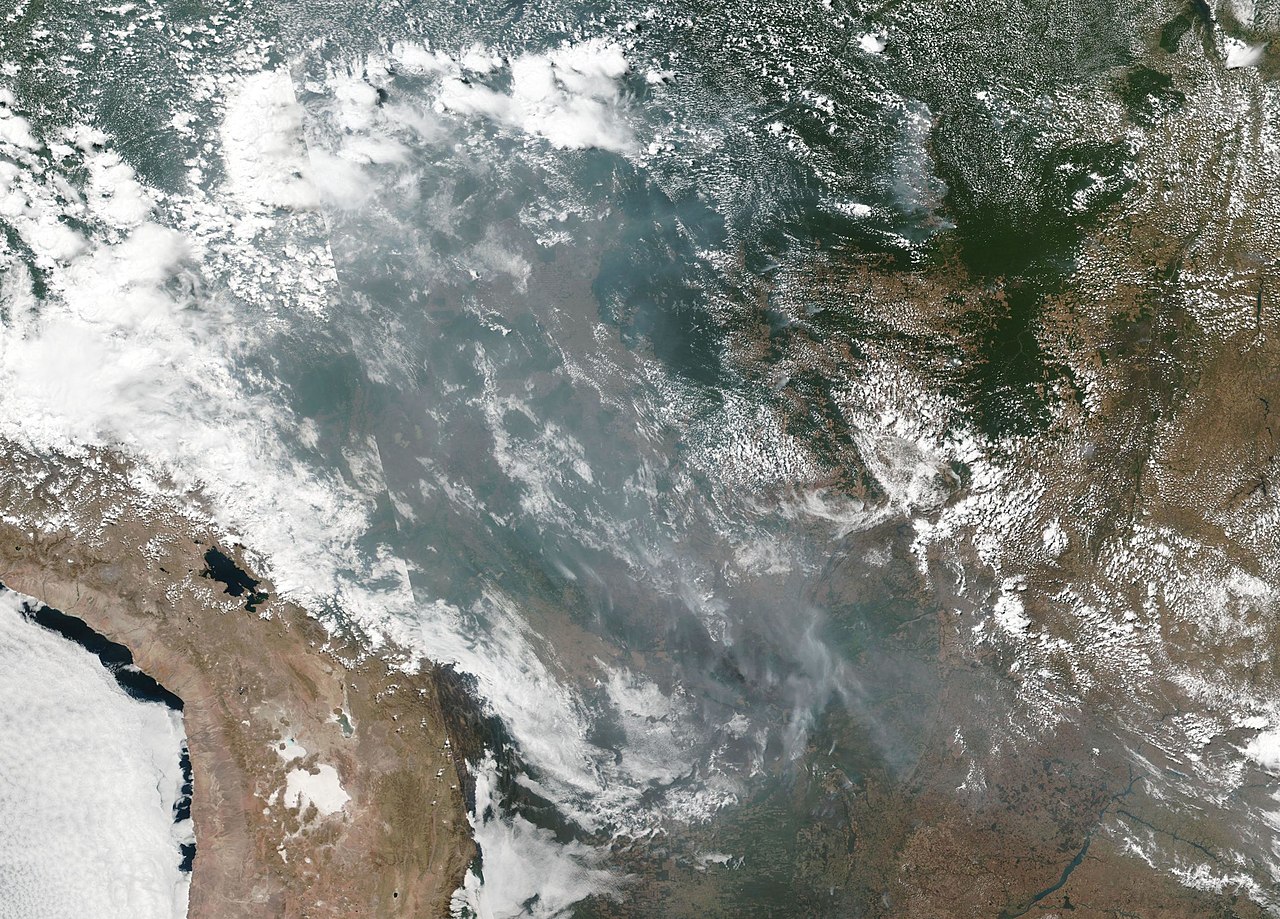





Geographic extent and detection
Fires were reported across several states in northern and central Brazil. By August 20, active fires were burning in multiple Brazilian states including the Amazon rainforest region and specifically in the states of Rondônia, Mato Grosso and Pará. Amazonas — Brazil's largest state by area and home to extensive tracts of continuous rainforest — registered many thousands of fire detections. Fire counts and locations were tracked by satellite remote sensing systems used by national and international agencies.
Causes and characteristics
The 2019 fires reflected a mix of human and environmental factors. The most commonly reported cause was land‑clearing for agriculture and pasture: trees are often felled, left to dry and then ignited in controlled fires that can spread when conditions are dry. Illegal deforestation, agricultural expansion, and periods of below‑average rainfall contributed to the rapid spread and persistence of fires. The Cerrado, a biologically rich tropical savanna, also suffered extensive burning; it contains many endemic species and is highly vulnerable to conversion.
Environmental and social impacts
Wildfires in tropical and savanna ecosystems have multiple consequences. Immediate impacts included loss of vegetation, wildlife mortality, habitat fragmentation and degradation of carbon‑rich soils. Smoke and particulates impaired air quality in urban and rural areas, with health implications for local communities and indigenous peoples. The Amazon’s role as a carbon sink and global biodiversity reservoir meant that large‑scale burning had both regional ecological effects and broader concerns for the climate system.
Timeline, emergency measures and controversy
Local authorities in some jurisdictions declared states of emergency; for example, the government of Amazonas declared an emergency in August. The federal response became politically charged. Reports indicated that the national government and President Jair Bolsonaro questioned some datasets and initially resisted certain offers of international assistance. In August the federal government announced a temporary prohibition on setting fires for 60 days as part of mitigation measures. These actions and statements triggered national debate and diplomatic exchanges about responsibility, sovereignty and cooperation in addressing transboundary environmental crises.
Monitoring, response options and notable facts
Fire monitoring relies heavily on satellite imagery and ground reports; agencies use sensor data to count fire hotspots and map smoke. Responses to large wildfire seasons include rapid deployment of firefighting teams, logistical support to affected communities and longer‑term policy measures to curb illegal deforestation. The 2019 wildfire season underscored the vulnerability of tropical forests and savannas to human‑driven land use change and climate variability, and highlighted tensions between development pressures and conservation efforts. For further contextual reading and data, see reports and monitoring portals linked to regional institutions and government sources (official communications).
- Key affected states: Amazonas, Rondônia, Mato Grosso, Pará.
- Main drivers: land clearing for agriculture/pasture, illegal deforestation, dry weather.
- Primary concerns: biodiversity loss, carbon emissions, public health, indigenous rights.
Related articles
Author
AlegsaOnline.com 2019 Brazil wildfires: Amazon and Cerrado fire season Leandro Alegsa
URL: https://en.alegsaonline.com/art/112645
Sources
- g1.globo.com : "Casal morre abraçado ao tentar fugir de queimada em RO"
- ctvnews.ca : "As the Amazon burns, Brazil's president draws global outrage"
- euronews.com : "Amazon burning: Brazil reports record forest fires"
- vox.com : "Amazon rainforest fire: Forests in Brazil, Greenland, and Siberia are burning"
- telegraph.co.uk : "Brazilian president says country lacks money to fight Amazon fires"
- theguardian.com : "Amazon rainforest fires: Macron calls for 'international crisis' to lead G7 discussions"
- bbc.com : "Amazon fires: What's the latest in Brazil?"