
1971 Atlantic hurricane season
Summary of the 1971 Atlantic hurricane season, its official dates, major storms—notably Hurricane Edith—meteorological context, impacts, and historical significance.
The 1971 Atlantic hurricane season covered the period when tropical cyclones are most likely to form in the North Atlantic basin. Officially the season extended from June 1 through November 30, with the events taking place in 1971. Like most Atlantic seasons, it produced a mix of tropical storms and hurricanes, and included at least one storm that is remembered for its intensity and impacts.
Image gallery
10 Images
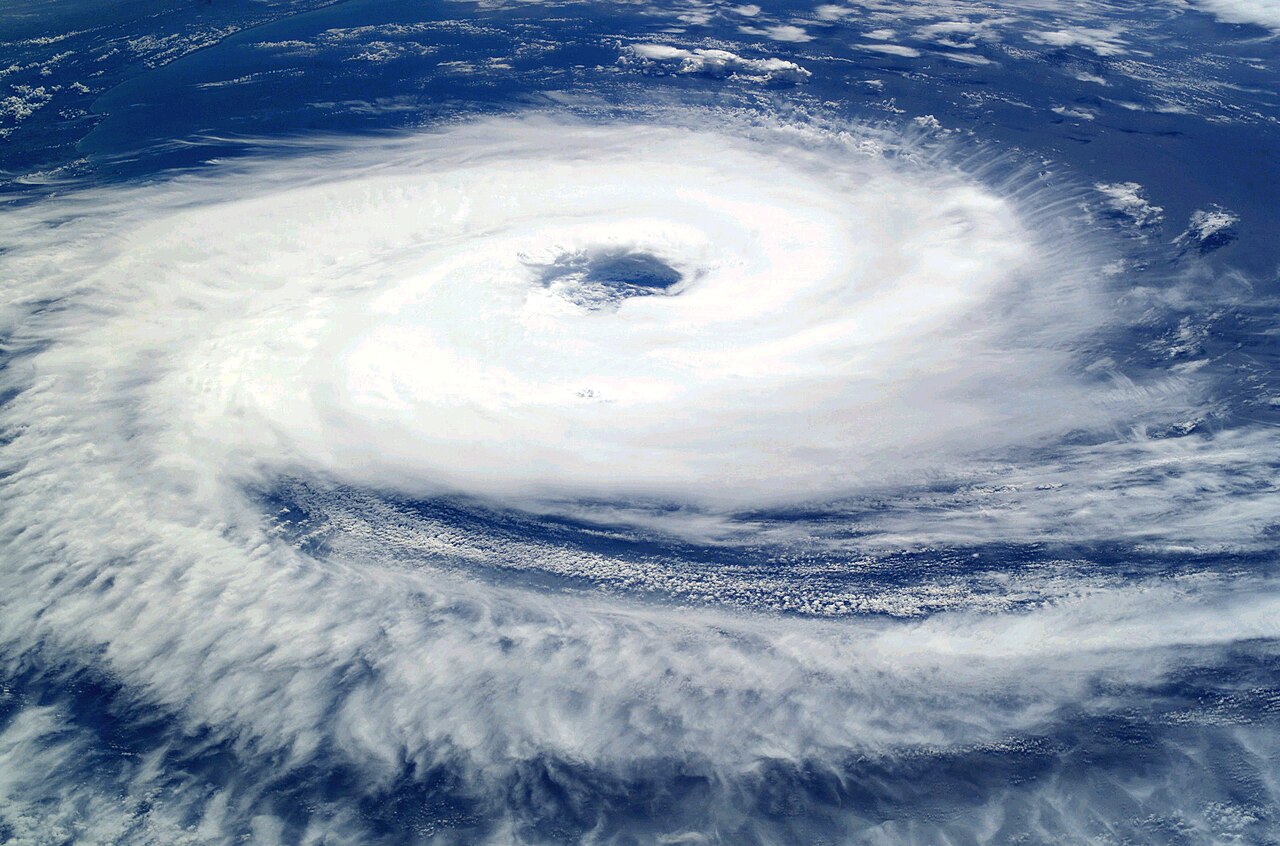


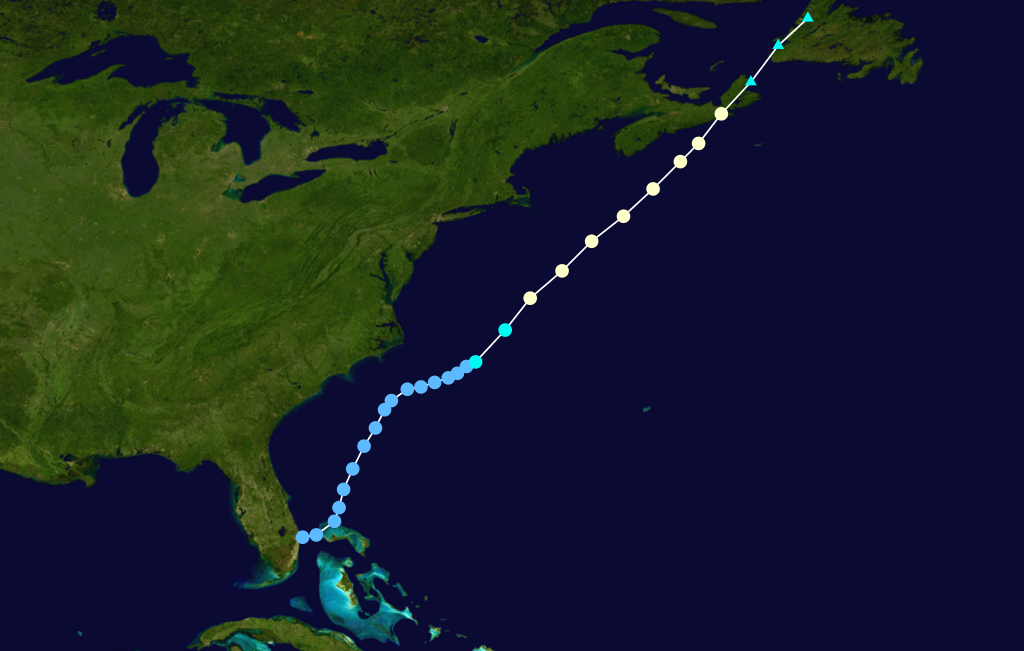
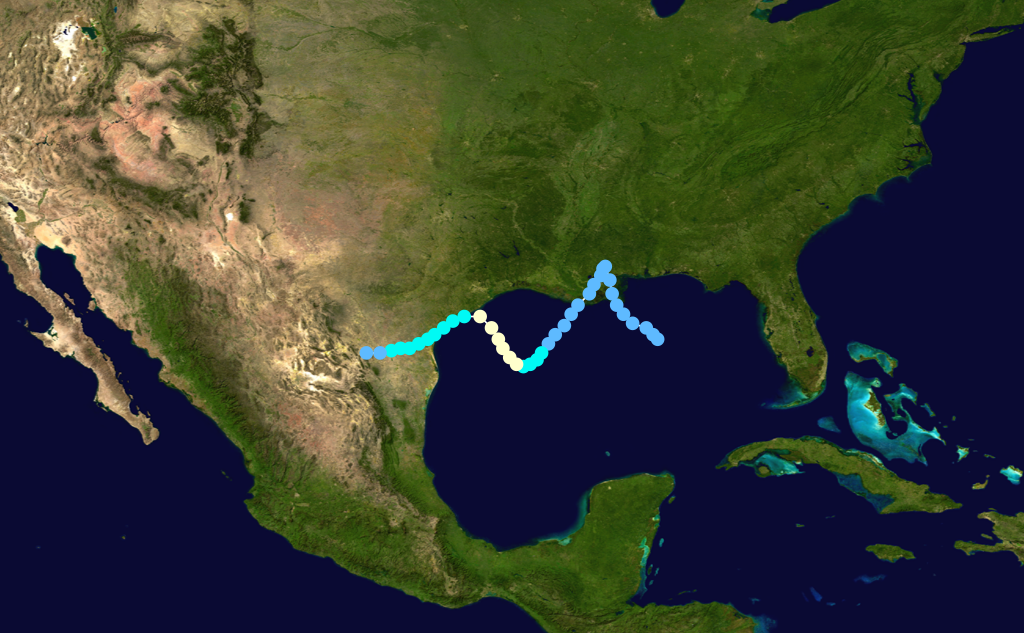
Overview and characteristics
Seasons are defined by their dates but vary widely in activity; some years are quiet while others bring multiple powerful storms. Systems typically develop from tropical waves, upper-level disturbances, or remnants of frontal boundaries. Storms are monitored by reconnaissance aircraft, satellites and surface observations, and are assigned names once they reach tropical storm strength.
Notable storms and impacts
The most prominent cyclone of the year was Hurricane Edith, which stood out for its intensity and the damage it caused in parts of the Caribbean and nearby regions. Other tropical storms and hurricanes during the season produced coastal flooding, heavy rain, and localized wind damage. Agricultural losses, disrupted shipping, and emergency responses were among the consequences experienced by affected communities.
Historical context and forecasting
The 1971 season occurred during a period when satellite meteorology and aircraft reconnaissance were already established tools for tracking storms, improving warning lead times compared with earlier decades. Naming conventions and post-season analysis helped meteorologists refine records and understand seasonal variability.
Legacy and distinctions
- The season is often recalled chiefly for Hurricane Edith, notable in contemporary storm summaries.
- It illustrates how a single intense hurricane can define the public memory of an otherwise moderate season.
- Records and assessments from the year continue to be used in long-term studies of Atlantic hurricane behavior.
For detailed storm tracks, damage assessments and contemporaneous advisories, consult archived meteorological summaries and post-season reports maintained by regional agencies and research institutions.
Related articles
Author
AlegsaOnline.com 1971 Atlantic hurricane season Leandro Alegsa
URL: https://en.alegsaonline.com/art/112113