
1972 Formula One season
Overview of the 1972 Formula One World Championship, its key teams, cars and drivers, the title won by Emerson Fittipaldi and the season's significance in F1 history.
The 1972 Formula One season was a championship year in the early 1970s era of Grand Prix racing, noted for the rise of a new generation of drivers and the continued evolution of racing car design. It was contested as a series of World Championship Grand Prix events, attracting factory teams and private entrants across several countries. The season combined technical development with a highly competitive field.
Image gallery
10 Images




Season summary
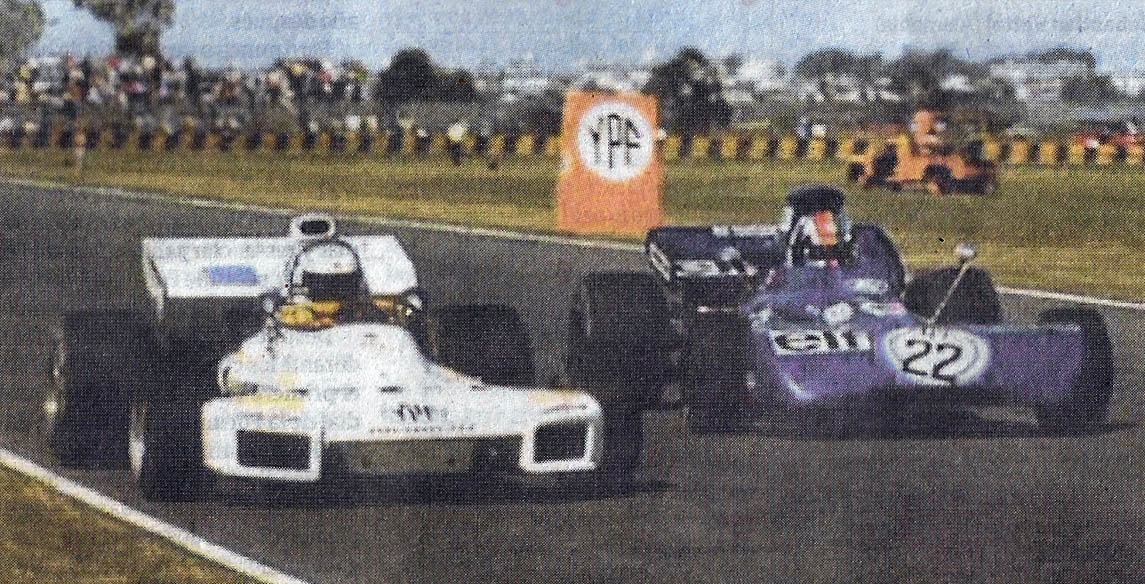
The championship produced a close contest between established stars and younger talents. Teams campaigned updated versions of contemporary designs, while drivers fought for race wins and championship points at circuits ranging from fast permanent tracks to demanding street and temporary layouts. The championship outcome reflected both driver skill and the effectiveness of car development throughout the year.
Teams, cars and characteristics
- Team Lotus continued to be a major presence with its wedge-shaped chassis and competitive package, powered by widely used Ford‑Cosworth engines.
- Tyrrell, Ferrari and McLaren were among the other leading teams, each offering distinct approaches to aerodynamics, suspension and weight distribution.
- Cars in this period emphasized mechanical grip, evolving aerodynamics and compact, lightweight design. Reliability was often as important as outright speed.
Champion and rivals
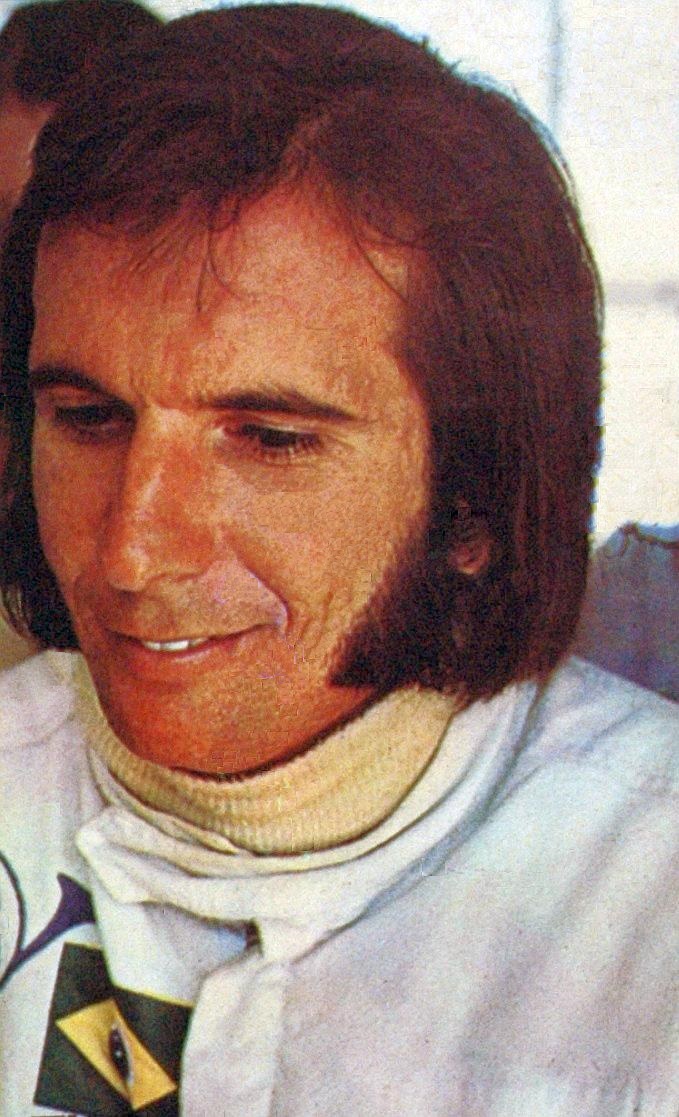
Brazilian driver Emerson Fittipaldi secured the World Championship title that year, becoming one of the youngest champions in the history of the sport at the time. His success highlighted both his consistency behind the wheel and the competitiveness of his machinery. Rival drivers and teams provided stiff opposition throughout the season, and several races were closely contested.
Notable races and developments
Several Grands Prix that season were remembered for dramatic battles, strategic pit decisions and the reliability challenges typical of the era. Technical developments introduced during and before the year continued to influence car behavior, particularly in aerodynamics and suspension layout. The season also formed part of a broader trend toward increased professionalism in car preparation and race operations.
Legacy and significance
The 1972 championship is regarded as an important episode in early 1970s Formula One, marking the arrival of a younger champion and reflecting how design innovation could shift competitive balance. It contributed to the growing global profile of the sport and helped establish career trajectories for drivers and engineers who would remain influential in subsequent seasons.
Related articles
Author
AlegsaOnline.com 1972 Formula One season Leandro Alegsa
URL: https://en.alegsaonline.com/art/112119