
1611 — Year of the King James Bible and Hudson's Last Voyage
Overview of the year 1611: major cultural, exploratory, and political developments including the 1611 publication of the King James Bible and Henry Hudson's disappearance during his final voyage.
Overview
The year 1611 sits in the early seventeenth century, a period marked by religious change, expanding maritime exploration, and vibrant literary activity in Europe. It is best remembered for the publication of the King James Version of the Bible in England and for the disappearance of the explorer Henry Hudson during his final voyage. These events influenced religion, language, navigation and the European presence overseas.
Image gallery
9 Images






Major events
- Publication of the King James Bible: The Authorized Version, commonly called the King James Bible, first appeared in 1611. Commissioned by King James I of England, it was the work of multiple scholarly committees and quickly became the dominant English translation for worship and literature, shaping English prose for centuries.
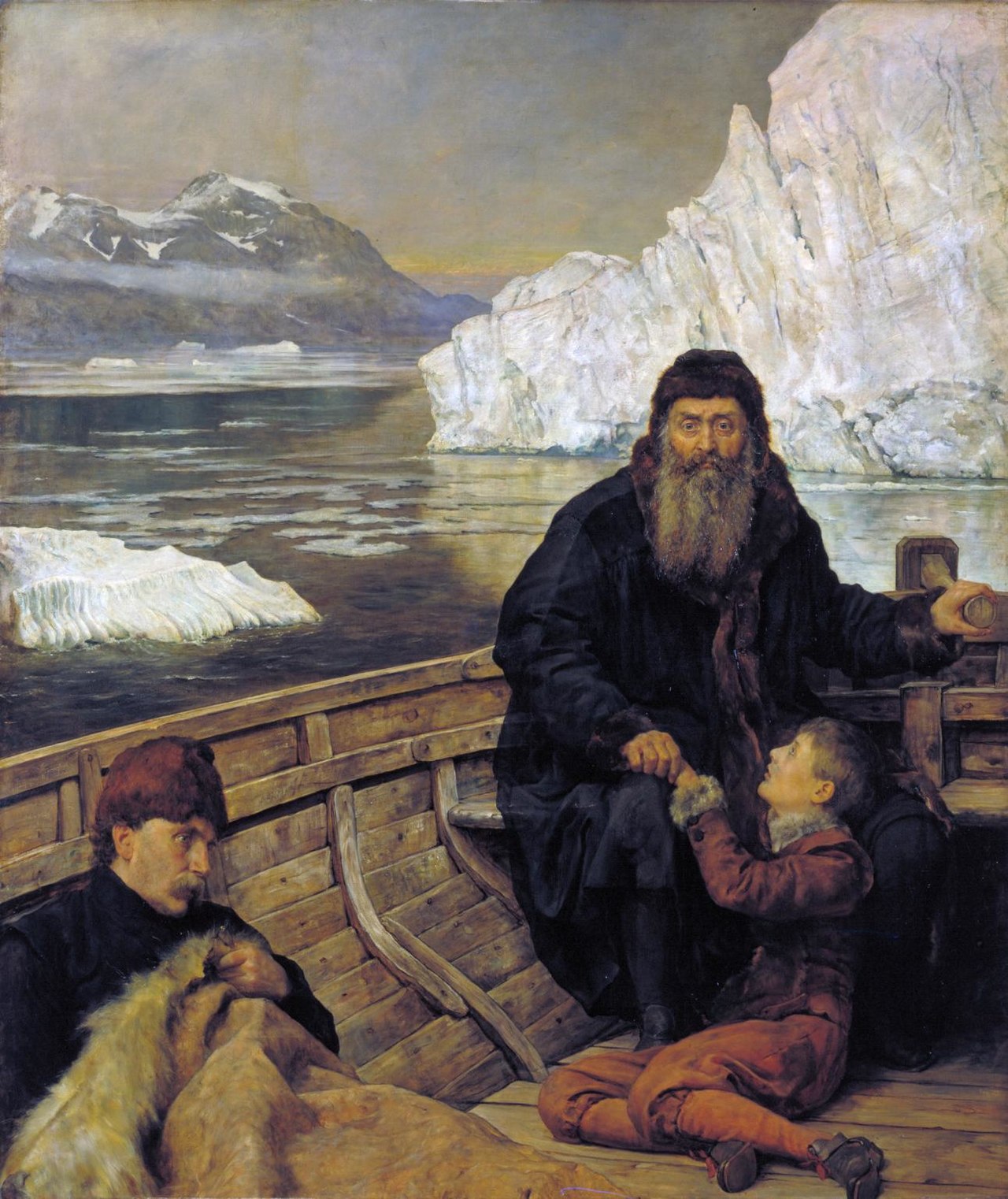
- Henry Hudson's final voyage: On an expedition seeking a northwest passage, Henry Hudson and several of his crew were set adrift in 1611 and never definitively heard from again. His disappearance remains one of the more famous mysteries of the Age of Exploration.
- Ongoing political and military tensions: Europe in 1611 experienced continued rivalries among states, religious tensions following the Reformation, and conflicts on several fronts that would eventually feed into larger seventeenth‑century wars.
Culture, religion and literature
The publication of the King James Bible had immediate and long‑lasting cultural effects. Its phrasing and cadences influenced preaching, poetry, and prose in the English‑speaking world. In theatre and letters, writers active around 1611, including dramatists of the English Renaissance, continued to shape modern drama and poetry; print culture and patronage supported a lively exchange of ideas across Europe.
Exploration and science
Maritime exploration continued to expand geographic knowledge and commercial networks. Expeditions sought new passages, resources and trading opportunities in the Americas and northern waters. Observational science—astronomy and natural philosophy—was changing how Europeans understood the world, even as debate persisted between traditional authorities and new empirical approaches.
Legacy and notable facts
- The King James Bible remains widely read and studied for its historical, religious and literary significance.
- Henry Hudson's fate symbolizes the risks of early modern exploration and altered the course of future Arctic and North American navigation efforts.
- Events of 1611 are part of a transitional era that led into more intense political and religious conflicts later in the century.
Related articles
Author
AlegsaOnline.com 1611 — Year of the King James Bible and Hudson's Last Voyage Leandro Alegsa
URL: https://en.alegsaonline.com/art/111546