
1616 (year)
Overview of the year 1616, a year of notable deaths in literature and political consolidation, milestones in exploration, and a key moment in the clash between emerging science and religious authority.
Overview
The year 1616 sits in the early modern period and is remembered for a cluster of culturally resonant deaths, ongoing overseas expansion by European powers, and an important episode in the confrontation between new scientific ideas and established religious institutions. Because different countries used different calendars at the time, dates recorded in contemporary documents sometimes appear to conflict when converted to modern calendars.
Image gallery
10 Images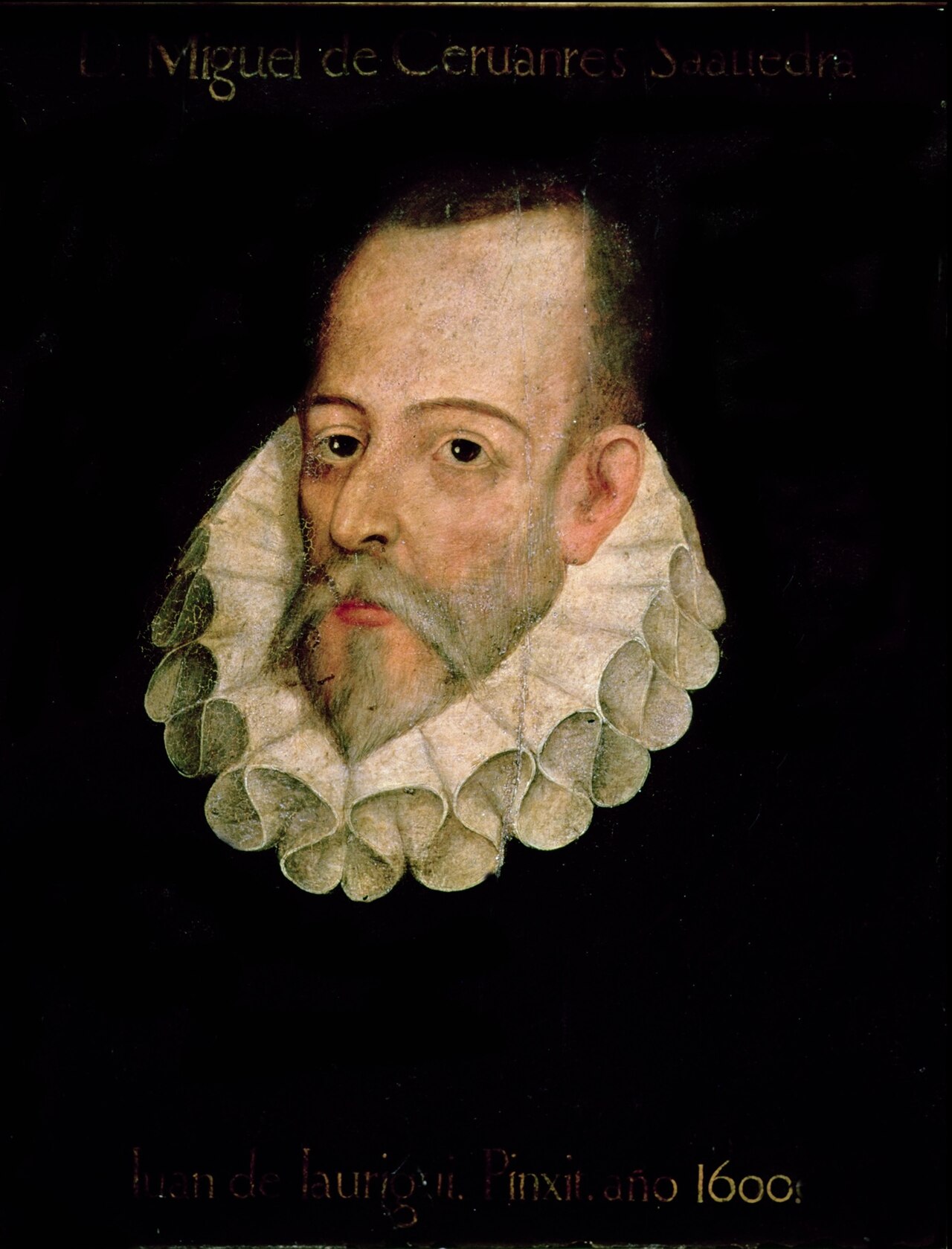




Political and global context
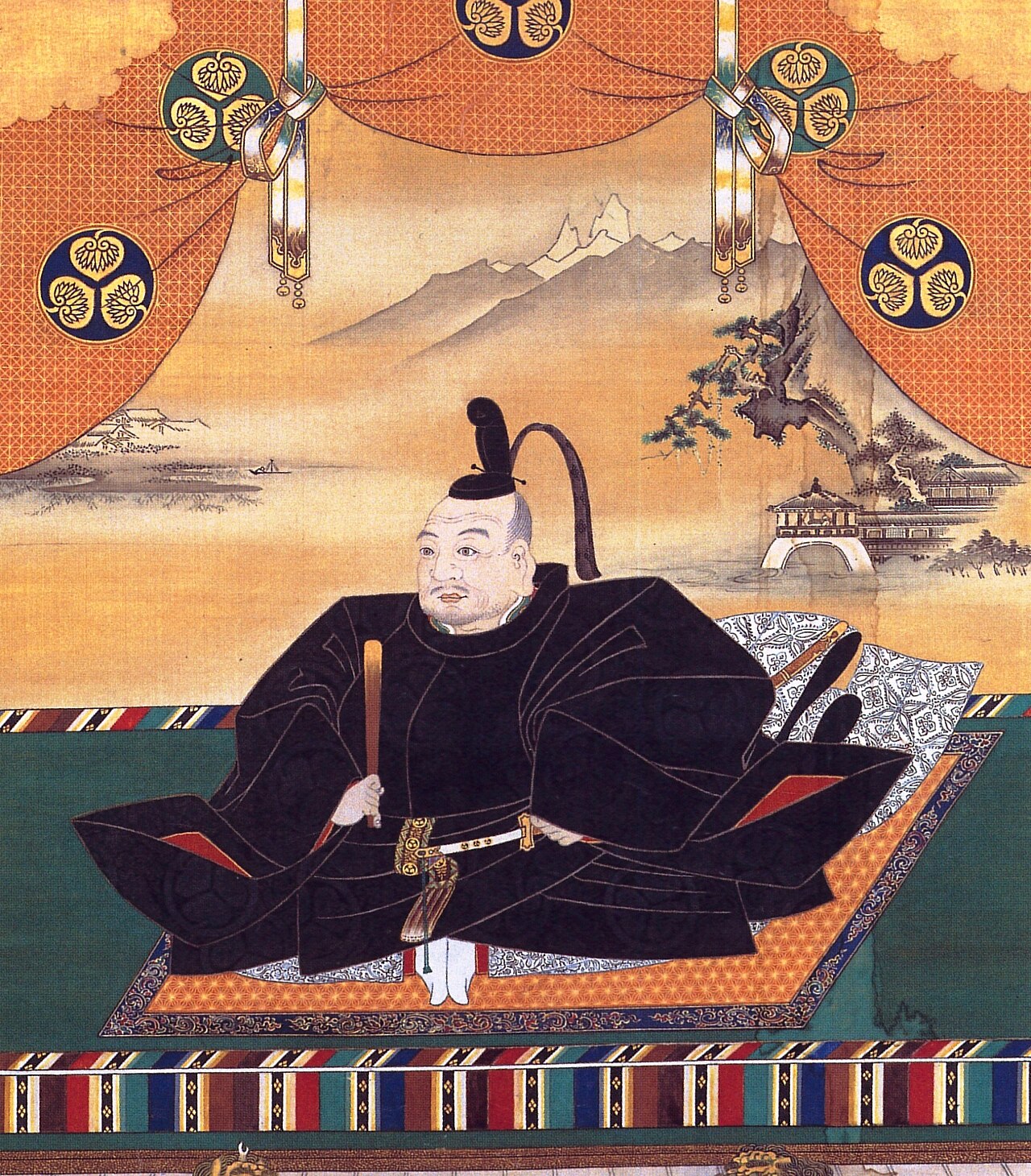
Across Europe, dynastic states consolidated authority while religious and diplomatic tensions increased in ways that would help precipitate the Thirty Years' War later in the century. In East Asia the Tokugawa shogunate continued to consolidate control, having brought a measure of stability after the preceding century of warfare. Overseas, mercantile companies backed by states extended trade networks and fortified bases in Asia, Africa and the Americas.
Exploration and overseas contact
European navigators and trading companies expanded their range of contact. Dutch mariners charted parts of the western and northwestern coasts of what is now Australia; a Dutch landing party left an inscribed plate on an island in 1616 that stands as one of the earliest European records of landings in that region. The Dutch and English East India companies increased their activity in Asian waters, challenging Iberian dominance in several trading routes.
Science, religion and ideas
1616 marks a turning point in the public treatment of heliocentric ideas. Authorities within the Roman Catholic Church examined the Copernican model and placed restrictions on the uncorrected teaching of a moving Earth. The episode affected leading astronomers of the day and shaped how scientific inquiry could be discussed in relation to theological doctrine for decades afterward.
Culture and literature
The year is often highlighted in cultural histories because of the deaths of major literary figures, which contributed to a widely remembered sense of an end of an era. The English dramatist William Shakespeare and the Spanish novelist Miguel de Cervantes both died in 1616 according to their respective local records; however, calendar differences between Protestant England and Catholic countries mean the recorded dates are not directly equivalent. The period continued to produce important drama, poetry and prose across Europe, with theatres, courts and publishing networks active in many capitals.
Notable deaths
- William Shakespeare — English playwright and poet whose works had a profound and lasting influence on English literature and drama.
- Miguel de Cervantes — Spanish novelist, author of Don Quixote, widely regarded as a foundational work of the modern novel.
- Tokugawa Ieyasu — Founder of the Tokugawa shogunate in Japan, whose rule established a long period of centralized administration and relative internal peace.
Legacy and significance
Although any single year can only show part of broader historical trends, 1616 is frequently cited because it links significant cultural loss with a major intellectual confrontation and ongoing worldwide expansion. The year's events illuminate transitions in political authority, the globalizing reach of European trade and navigation, and the contested relationship between new scientific frameworks and religious institutions.
Related articles
Author
AlegsaOnline.com 1616 (year) Leandro Alegsa
URL: https://en.alegsaonline.com/art/111551