
1621 in Global History: Conflicts, Colonization, and Trade in the Early Modern World
Overview of 1621 in global history: armed conflicts in Europe, evolving colonial ventures in the Americas, and expanding maritime trade and trading companies reshaping early modern world connections.
The year 1621 fell in the early modern period, a time of expanding global trade, religious conflict in Europe, and increasing colonization in the Americas. Political and military struggles that had begun in earlier years continued to shape states and societies; at the same time, new commercial institutions and cross-cultural encounters left longer-term marks on world history.
Image gallery
10 Images




Events
Europe
- Conflict connected to the Thirty Years' War persisted across central Europe. Armies and commanders on both the Protestant and Catholic sides engaged in renewed campaigning, with territory and influence shifting in a number of theatres.
- The Polish–Lithuanian Commonwealth and the Ottoman Empire ended a season of fighting after the military confrontation at Chocim (Khotyn). The resulting agreement reduced immediate hostilities along their border, though tensions remained in the region.
- In France, the crown moved to suppress armed Huguenot (Protestant) resistance. Royal forces undertook operations against several Protestant-held towns during a campaign that lasted into the following year.
- In England, the Parliament that met in 1621 pressed the king on issues such as monopolies and foreign policy; disputes over privileges and the limits of parliamentary speech produced friction with King James I and led to a premature dissolution of that Parliament.
Americas
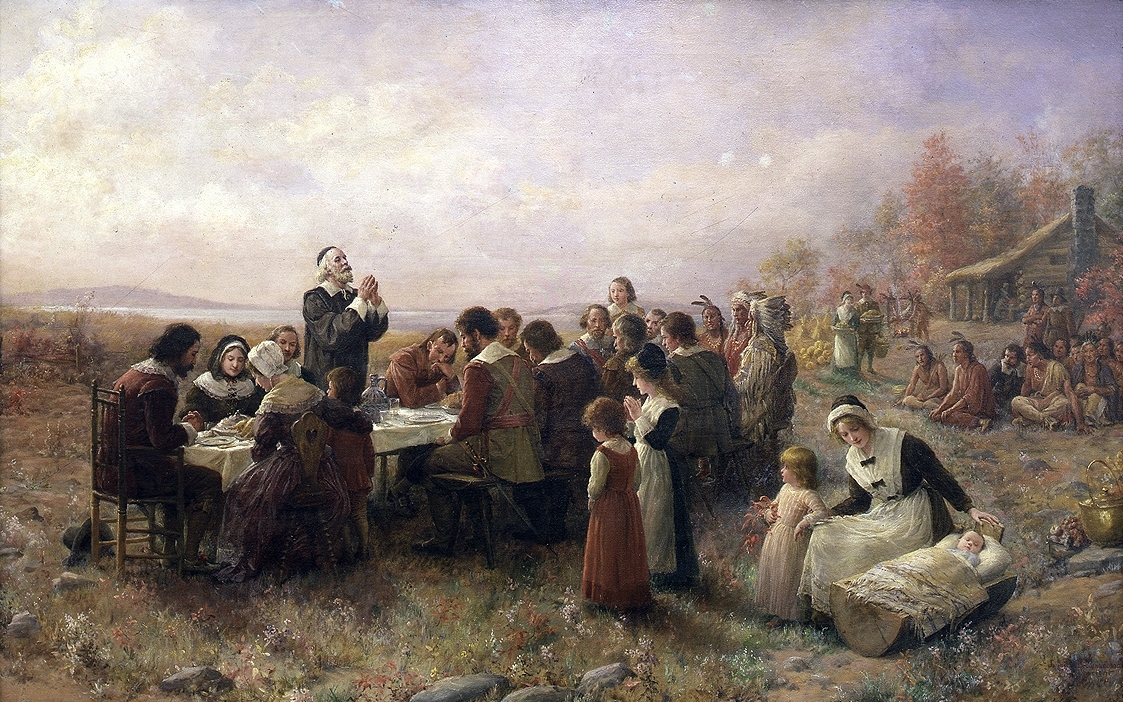
- At Plymouth in New England, the English settlers commonly known as the Pilgrims held a harvest celebration in the autumn of 1621 with members of the local Wampanoag nation, including their leader Massasoit. Later historical memory and commemoration transformed this event into an important symbol in American cultural history, often referred to as one of the earliest "Thanksgivings."
- European commercial and colonial activity in the Atlantic increased: merchants and states continued to build trading networks, and private companies were formed to exploit opportunities in the Americas, Africa and the Caribbean.
Maritime commerce and colonization
- New corporate ventures and state-backed trading companies expanded their reach. These organizations promoted long-distance trade, privateering, and the planting of settlements in overseas territories; their activities would accelerate competition among European powers for colonies and resources.
Asia and Africa
- Across Asia, established polities consolidated power at local and regional levels. Maritime trade remained important, with European, Asian and African merchants participating in long-distance exchange of goods, people and ideas.
- On the western coast of Africa and in the Atlantic islands and colonies, European commercial enterprises increased their presence, often with consequences for indigenous and African societies through trade and forced migration.
Culture, science and society
- Intellectual and artistic life continued to evolve in many parts of the world. Scientific inquiry, print culture and the arts circulated more widely as networks of correspondence, patronage and publication spread ideas across national boundaries.
- Religious disputes, local epidemics, and wartime disruption all shaped daily life for large numbers of people; demographic and economic effects of these pressures varied greatly by region.
Notes on dating and historical interpretation
Historical accounts of 1621 draw on a mix of state documents, correspondence, chronicles and later commemorations. For some episodes—especially cross-cultural encounters in the Americas and contested military campaigns in Europe—later retellings have emphasized particular themes (for example, reconciliation or national origins) that do not always capture the complexity of contemporary experience. Scholars therefore treat many sources with attention to context, bias and subsequent reinterpretation.
Related articles
Author
AlegsaOnline.com 1621 in Global History: Conflicts, Colonization, and Trade in the Early Modern World Leandro Alegsa
URL: https://en.alegsaonline.com/art/111556